- Every market in The Airdomo 11 has something changing on the ground: a new route, a runway, a residency law or a resort under construction.
- Stephanie Gilezan expects Zanzibar and Mérida to surprise people most, and points 2027 buyers to the Dominican Republic's north coast.
- A new nonstop flight widens the pool of future buyers and renters, which is why it matters so much to what a home is worth.
- A real catalyst has committed funding, a named contractor and physical work underway, not just renderings and a video.
- Being early means the catalyst is real and simply taking time. Being wrong means it was never real, so unfinished infrastructure should be discounted.
Most people hear about a rising market from a friend who already bought there. By then the easy gains are usually gone. In episode four of Owning Paradise, in conversation with Mike Vicol, Stephanie Gilezan, Co-Founder and CEO of Airdomo, walked through how she finds these places earlier, and why she and her team chose the eleven markets in The Airdomo 11: Destination Homes Report 2027.
Her answer is less glamorous than most buyers expect. It starts with flight filings, airport budgets and residency rules.
Why did Airdomo choose these 11 markets?
Stephanie's test is simple. In every one of the eleven, something is changing on the ground. It could be a new air route, a runway, a residency law or a major resort under construction. "Things are happening," she says, and once they do, attention follows.
Airlines and resorts start placing ads. Then people start to wonder what their life would look like there, maybe not full time, but part of the year. That moment is what drew Airdomo to these markets.
What do the eleven have in common, from Zanzibar to Ras Al Khaimah? Corporations and governments are both investing. In her words, these places are saying "we are open for business, and we want you here."
Which markets does Stephanie expect to surprise people most?
Asked for one, she gave two, and she admits both speak to what she personally loves.
Zanzibar, for feet in the sand
"When I can get away from all of this, I want to put my feet in the sand," Stephanie says. Zanzibar, No. 1 in the report, is where she would go. What makes it stand out for her is the low barrier to entry. You do not need to be a multimillionaire to live this lifestyle there.
According to Airdomo's Zanzibar profile, a qualifying property investment of at least US$100,000 may support a residence-permit application for the buyer and eligible family members, subject to approval. Stephanie notes that a spouse and up to four children can be included, which makes it a fit for remote workers and families.
A residence permit is a separate approval
Buying a home in Zanzibar does not grant residence on its own. The permit is applied for separately and depends on approval, the specific project and current rules. Airdomo works with qualified immigration counsel on every purchase where residency is part of the plan.
Mérida, for city life and history
Stephanie knows what many Americans think when they hear "Mexico." Her answer is Mérida, the colonial capital of the Yucatán. She describes it as clean, well maintained and safe, with developers arriving in growing numbers. You will not walk out your door onto the sand, but beaches are about an hour away, and as a self-described history buff she loves that Mayan ruins are close by. Her son spent a semester studying in Mérida and still talks about it.
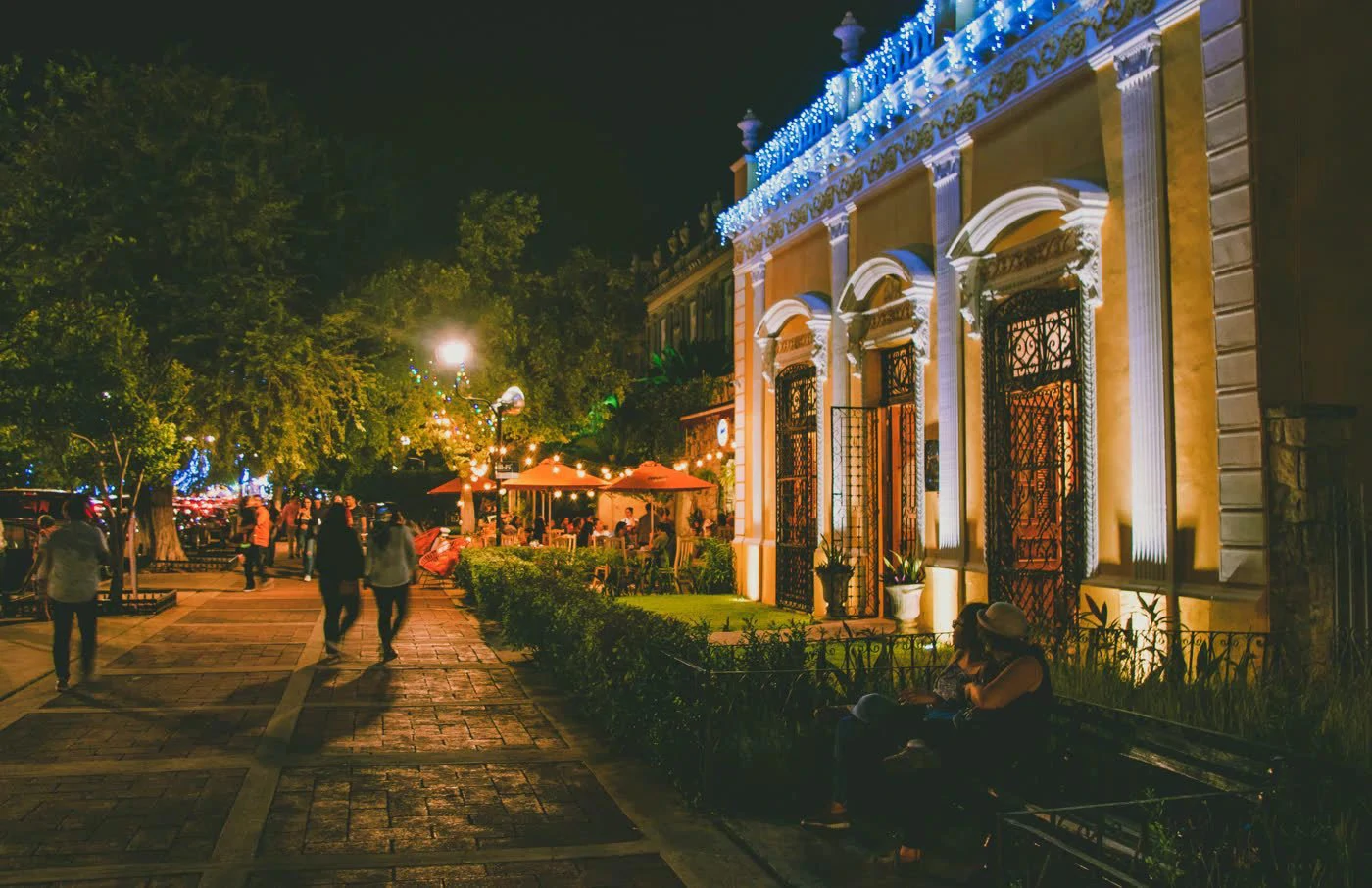
The data supports the attention. Airdomo's Mérida profile notes that the city's airport traffic grew 6.5 percent in 2025, and WestJet has announced a Calgary nonstop for winter 2026/27.
Where would she point a buyer in 2027?
Stephanie's answer is the Dominican Republic's north coast, No. 4 in the report. In her view it suits all three buyers she sees most often: the investor, the lifestyle buyer and the future retiree.
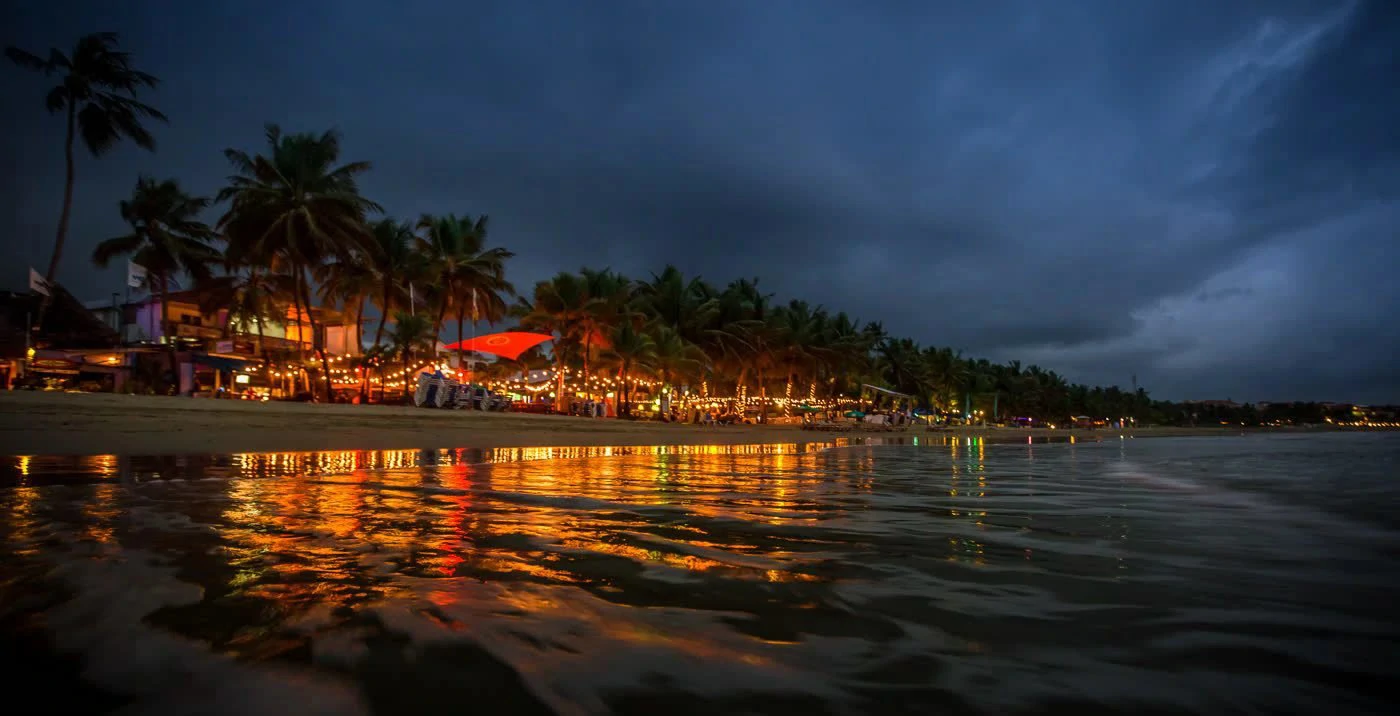
The paper trail is visible. Construction has started on Melia Bergantin Beach, part of a government-backed resort development between Playa Dorada and Sosua, and Air Transat's new Canadian service to Puerto Plata is scheduled from December 15, 2026. Stephanie also mentions Morocco's Atlantic coast, which came closest to making the list and appears in the report's "also rising" section as the Agadir coast.
What does a market's paper trail look like?
"It's mostly boring government paperwork," Stephanie says, and that is exactly why people miss it. There is no celebrity attached and no flashy headline. The trail includes a new nonstop route filed by an airline, a terminal or runway project, a residency or investment law passing parliament, and a hotel brand signing a management agreement. Arrival numbers creep up quarter after quarter.
None of it is secret. Her example is Puglia. American visitors were already up about 29 percent, she says, before the new nonstop service was announced. Neos has flown New York JFK to Bari since June 2025. "The trail was there for anyone who looked," she says.
Why does a new nonstop flight change what a home is worth?
"Every single layover is a filter," Stephanie says. Each connection removes people who will not put up with the travel, the risk of a missed flight or a night stuck in an airport. That shrinks the pool of people who will rent your home, and later, the pool who will buy it. Take the connection away and both pools grow.
Timing matters too. These signals show up years ahead of prices, not months. Infrastructure is announced, then funded, then built, and prices tend to move in steps along the way rather than all at once. The widest gap, she says, is between the announcement and the moment the first plane lands. "That gap is the only window that's ever going to matter."
How do you tell a real catalyst from hype?
"You've got to follow the money," Stephanie says. A real catalyst has funding committed, a contractor named and something physical happening. Hype has renderings and a video about what the future might hold.
When Airdomo evaluates a developer, the team looks at what prior projects actually delivered, and whether a global brand has been willing to put its name on the work. Airdomo has been approached with projects promoted on YouTube since 2016 that still do not exist. A developer who needs 48 percent of units presold before breaking ground, she adds, is unlikely ever to start.
She also reads the fine print. A promised US$500 monthly maintenance fee that never changes while building costs rise everywhere is a question worth asking. If it later became US$2,400, the rental income needed to cover it would change completely.
What gives her the most confidence is a government investing in its own infrastructure. A country that spends on roads, airports and healthcare has to earn that money back, which usually means welcoming new development. For retirees, access to good doctors matters as much as the view. "If we don't have access to infrastructure on how to get there or how to medically be taken care of, it's probably not a place we want to be."
What do you gain by buying before the airport opens?
Price, choice and time, Stephanie says. You buy before global brands raise the reference point, and you get first pick rather than what is left over at a premium. "The smartest buyers move before the trade is obvious," she says. "That's one of my famous lines."
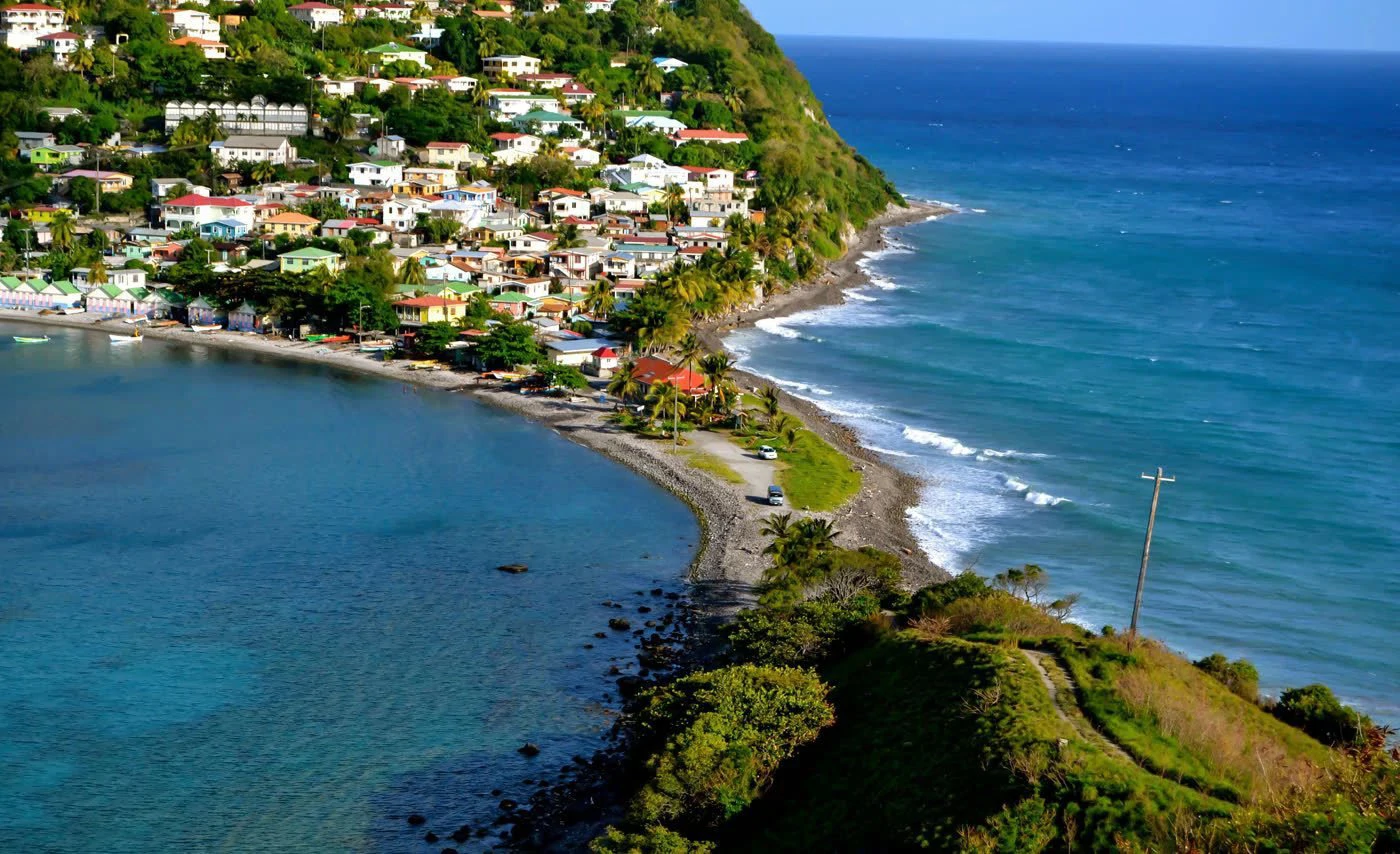
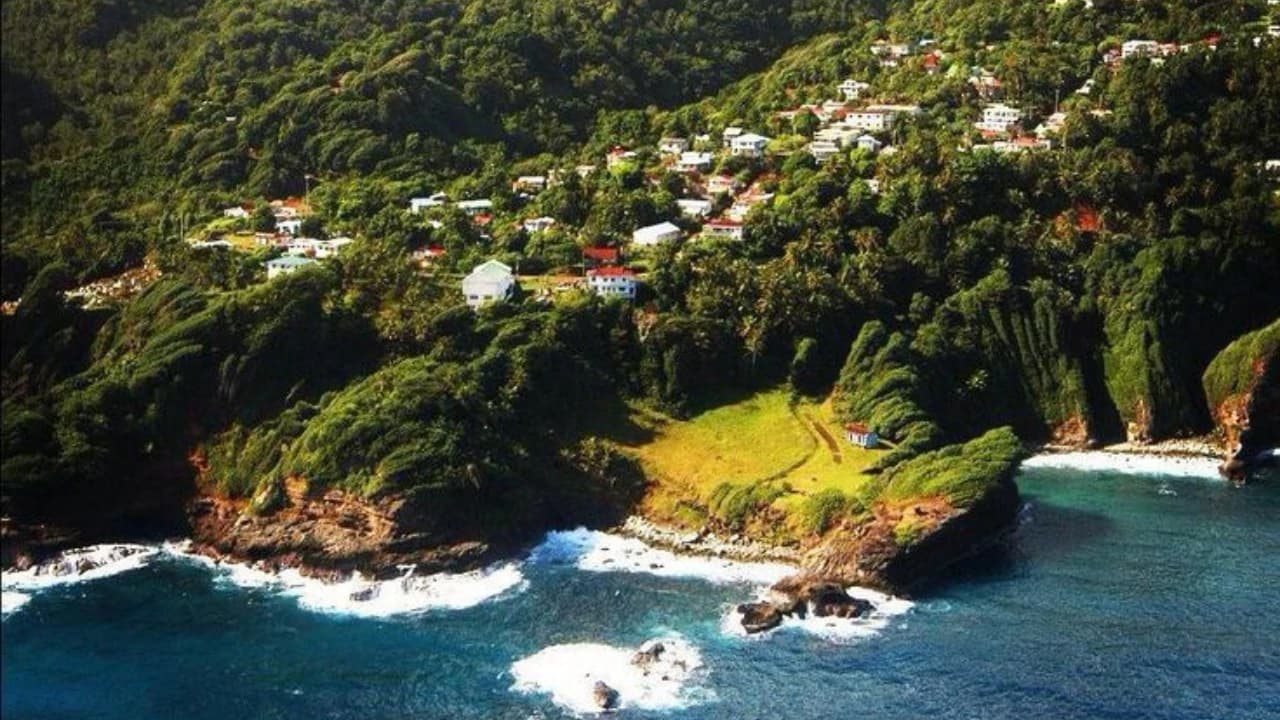
Her early-mover example is Dominica, which she calls one of the best-kept secrets in the Caribbean. Getting there has been hard. The new international airport is meant to change that, and Dominica's budget targets its completion in the second quarter of 2028. She compares it to buying the first house in a new subdivision: a risk, because you are not sure the whole thing will take off, but one that usually pays.
She is just as clear about the discipline. Unfinished infrastructure has to be discounted. "You can't base the value of the property on what the rent's going to be three years from now," she says. Otherwise the buyer pays for the improvement twice. She points to a market where the new airport is already built but its opening keeps being pushed back, because airlines have not committed to flying there yet. A finished runway alone does not bring the major carriers.
What is the difference between being early and being wrong?
"Being early just means it's real and it's just taking a little bit of time," Stephanie says. "Being wrong means the catalyst was never real in the first place." Early hurts for a while, then pays off. Wrong just hurts.
Most mistakes she sees come from snap decisions, like committing to pre-construction without checking build quality or timeline, or ignoring ownership and residency rules. Buyers notice the new resort, she says, but few read about residence permits.
That is why Airdomo exists. Before the company was founded, past clients called her after the fact. One had placed a US$220,000 non-refundable deposit on a new condo in St. Vincent and the Grenadines, then learned they needed to apply for an alien landholding licence with no guarantee of approval. Many countries want to know who you are before you own their land. Abroad, money alone is not always enough.
Confirm you can own before you pay a deposit
Some countries require a licence or approval before a foreign buyer can hold land. If a deposit is non-refundable and approval is refused, the money can be lost. Stephanie is clear that she does not give immigration or tax advice, and anyone acting on a policy change should work with a qualified immigration attorney.
Is an emerging market too risky for a second home?
"If you look in the right places, it's not going to be too risky," Stephanie says. Governments do not spend billions on airport expansions nobody will use. They expand because the demand already exists.
She also sees a bigger shift at home. When she started in real estate in 1999, she says, the average first-time buyer in the US was 23. Today she puts it closer to 40. Abroad, she has met young buyers in Belize who could not buy a first home in Canada or the US, but could there. Short-term rental income, she believes, is helping them build real wealth.
That is who The Airdomo 11 is for: anyone looking for a second home, or a home that earns income while they are away. Many of her clients, like Stephanie herself, are not relocating. With enough tourism, a short-term rental can help the home pay for itself, so a two- or three-week stay costs little more than the airfare.
Leasehold or freehold: what should a first mover know?
Leasehold means the right to use a property for a fixed period, not a deed to the land. Stephanie loves the Maldives, but foreigners there buy long-term leasehold, never freehold, and a foreign lease is capped at 99 years. For a home you plan to pass down through generations, that matters.
For others, leasehold is fine, and it can mean less red tape. But some buyers only sleep well knowing they own the land outright. They should focus on markets that allow fee simple ownership.
Frequently asked questions
What is The Airdomo 11?
The Airdomo 11 is Airdomo's Destination Homes Report for 2027. It ranks eleven markets on the rise, chosen from public records such as new flight routes, airport construction, residency changes and hotel investment.
Which market is No. 1 in The Airdomo 11?
Zanzibar, in Tanzania. A qualifying property investment of at least US$100,000 may support a residence-permit application, subject to approval, and international arrivals rose about 25 percent in 2025.
Why does a new nonstop flight matter for property values?
Each layover filters out travelers. A nonstop route widens the pool of future renters and buyers.
How far ahead of prices do these signals appear?
Years, not months. Prices tend to move in steps, with the widest gap between an announcement and the first flight landing.
How can I tell if a development is real?
Look for committed funding, a named contractor, physical work underway and a record of delivered projects, not just renderings.
Does buying a home abroad give me residency?
Not automatically. Some countries link residence permits to a qualifying purchase, but approval is separate and conditions vary. Speak with a qualified immigration attorney before acting on any residency rule.