
Luxury Real Estate for Sale in the UAE
Zero-Tax Freehold Living in a Dollar-Pegged Market
Homes & Properties for Sale in the UAE
Showing 1–12 of 55 properties across Dubai, Abu Dhabi, and Ras Al Khaimah

United Arab Emirates
2 Bed Condo/Apartment - Safa Two by de Grisogono | Super Luxury Floor 76

United Arab Emirates
1 Bed Condo/Apartment - Safa Two by de Grisogono | Super Luxury Floor 79

United Arab Emirates
4 Bed Condo/Apartment - Safa One by de Grisogono | Eminence Duplex Floor 54

United Arab Emirates
3 Bed Condo/Apartment - Safa One by de Grisogono | Eminence Duplex Floor 50
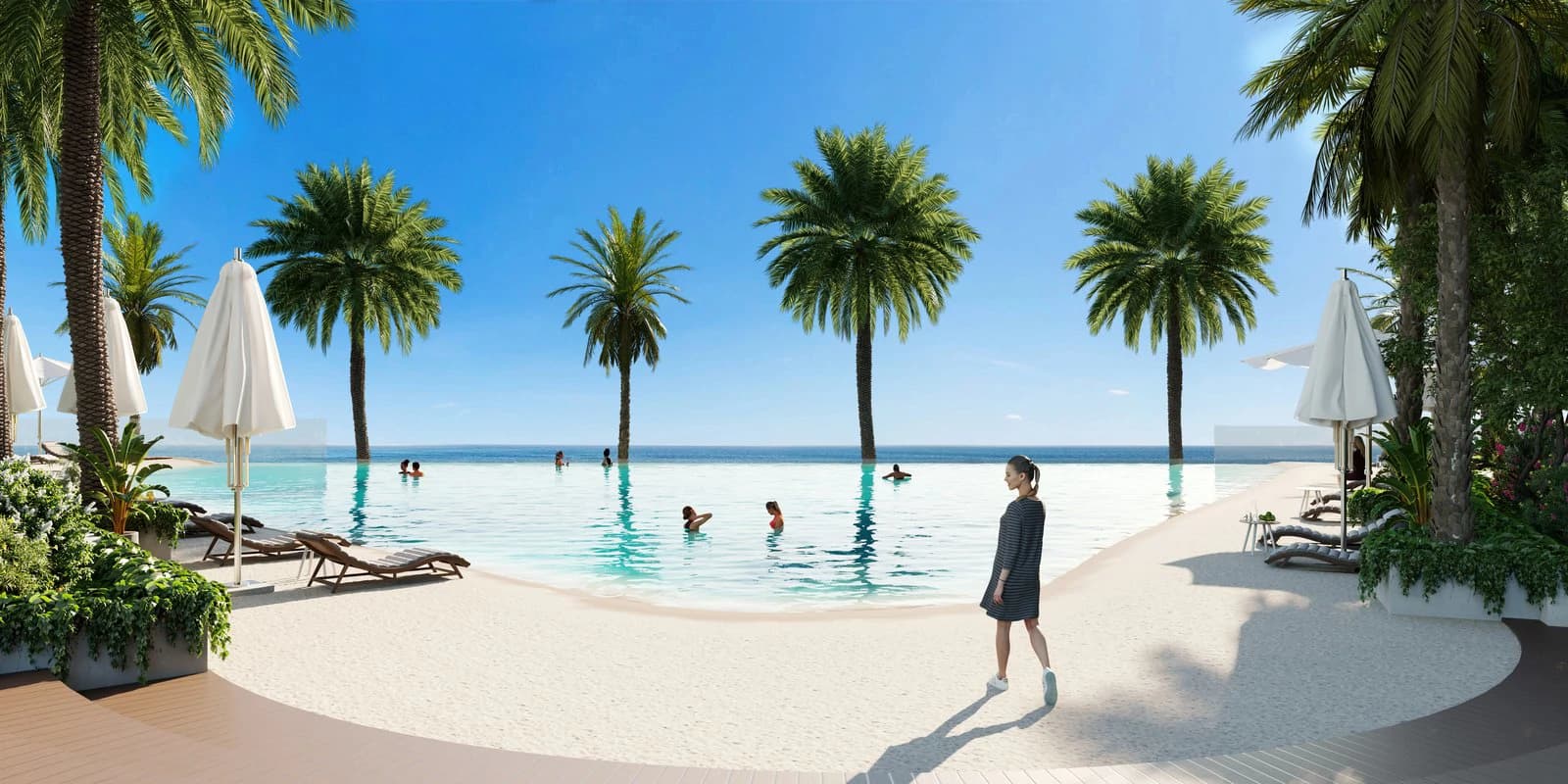
United Arab Emirates
2 Bed Condo/Apartment - Safa One by de Grisogono | Eminence Duplex Floor 40

United Arab Emirates
1 Bed Condo/Apartment - Safa One by de Grisogono | Floor 4

United Arab Emirates
5 Bed Villa - DAMAC Islands 2 | Townhouse End Unit

United Arab Emirates
5 Bed Villa - DAMAC Islands 2 | Bahamas Cluster Townhouse
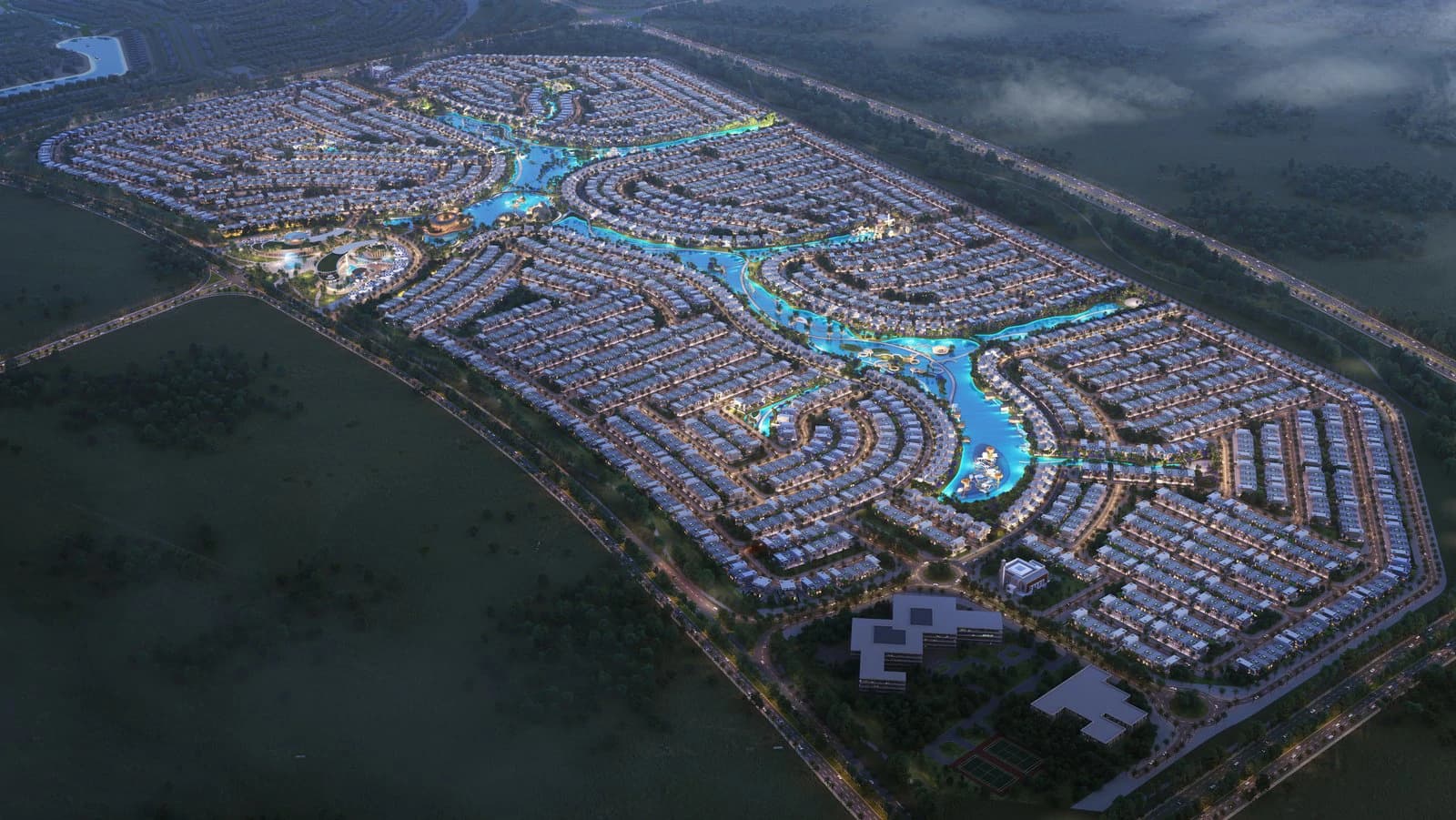
United Arab Emirates
4 Bed Villa - DAMAC Islands 2 | Townhouse Mid Unit, Lot 285
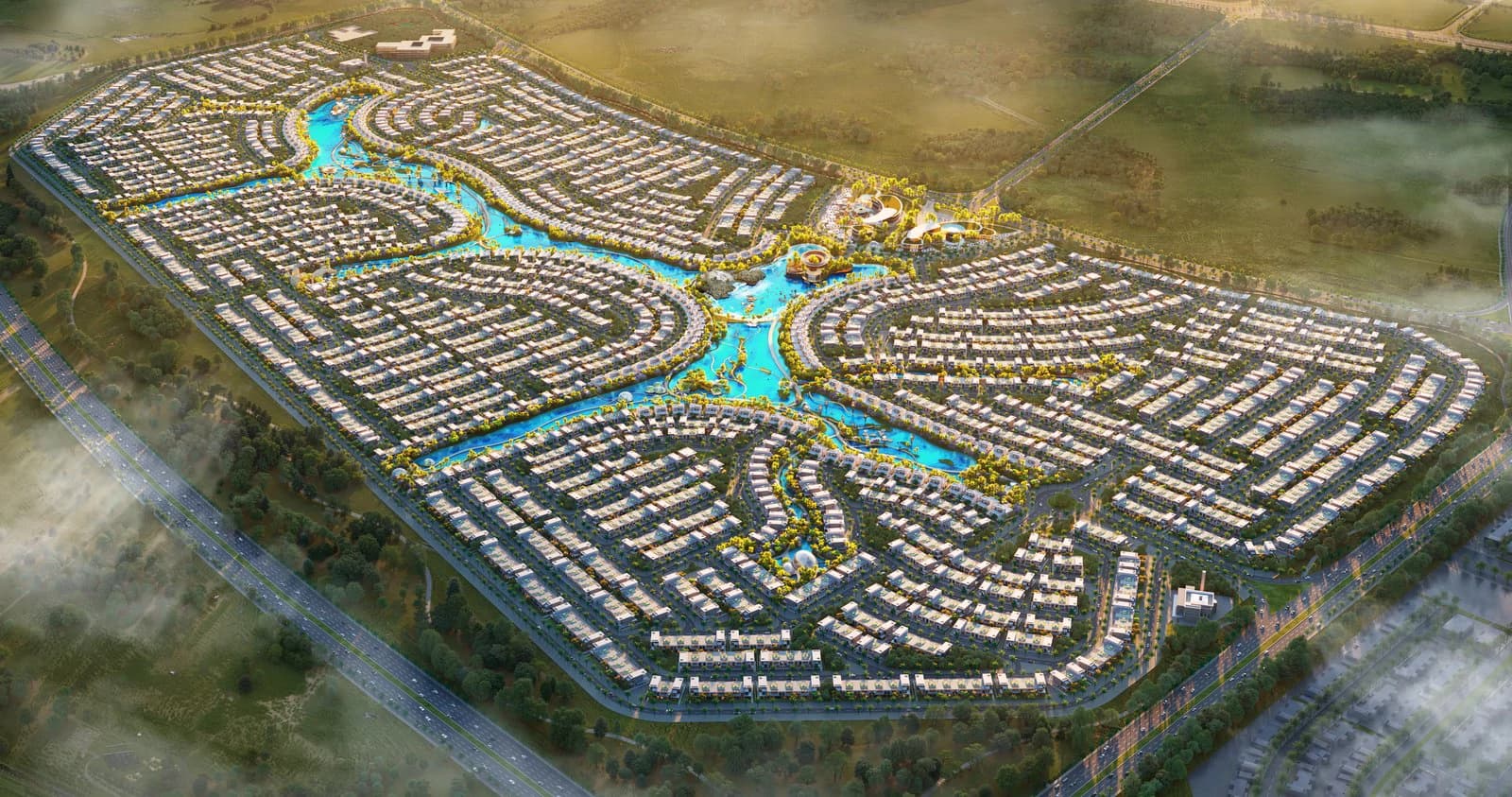
United Arab Emirates
4 Bed Villa - DAMAC Islands 2 | Townhouse Mid Unit, Lot 336

United Arab Emirates
4 Bed Condo/Apartment - DAMAC CASA | Floor 4

United Arab Emirates
3 Bed Condo/Apartment - DAMAC CASA | Floor 4
Filters
Price Range
Bedrooms
Bathrooms
Why the UAE
A zero-tax, dollar-pegged market built on freehold ownership and yield
Market Character
The UAE residential market operates differently from almost every other international destination American buyers consider. There is no annual property tax. There is no capital gains tax on real estate. There is no personal income tax. The dirham is pegged to the US dollar at a fixed rate, which means a buyer transacting in AED faces no currency risk of the kind that affects purchases in euros or sterling. For an American buyer comparing international markets, those four factors together are unusual enough to warrant serious attention.
Dubai is the dominant market within the UAE for foreign buyers, and it has been for two decades. The city added a freehold ownership framework for non-nationals in 2002, which created designated zones where foreigners can hold title outright in perpetuity. That framework is now well-established, the Dubai Land Department registration system is transparent and digitized, and the volume of foreign buyer transactions is high enough to produce genuine price discovery. Abu Dhabi followed with its own freehold investment zones, and Ras Al Khaimah has emerged as a lower-price-point alternative with its own growing international buyer community.
What the UAE market does not offer is the deep resale inventory of an older European city. The majority of freehold stock in Dubai is less than twenty years old. Off-plan purchasing, where buyers commit to a property before it is built, is a significant portion of total transaction volume. That creates both opportunity and risk that are specific to this market and require a different due diligence approach than buying a completed property in a mature market.
The Investment Case
The investment case for UAE residential property has three legs: tax efficiency, yield, and currency stability.
Tax efficiency is genuine and material. A property that generates rental income in Dubai produces that income free of UAE property tax, income tax, and capital gains tax. For an American owner, US tax on foreign rental income still applies under IRS rules regardless of the UAE's zero-tax treatment, but the net yield after US tax is still typically higher than what equivalent capital generates in European markets with similar price points, because there is no UAE tax layer eroding the gross return before it reaches the owner.
Gross rental yields in Dubai have historically been among the higher figures for a major global city, driven by a combination of factors: a large transient professional population that rents rather than owns, strong demand from corporate relocations, and a relatively low base price per square meter compared to London, Paris, or Singapore for comparable residential quality. Yields vary significantly by zone and property type, and the post-2022 price run has compressed yields in some of the most sought-after buildings, but the structural demand factors remain intact.
Currency stability is the third factor and the one most American buyers undervalue. The AED-USD peg has held since 1997. A UAE property purchase denominated in AED carries effectively zero foreign exchange risk for a US dollar holder. The same purchase in euros or sterling exposes the buyer to currency moves that can materially affect both the effective purchase price and the dollar value of future rental income or resale proceeds. For buyers who are comparing the UAE to European alternatives, the currency dimension alone can change the return calculation significantly.
Foreign Ownership
Foreign nationals, including Americans, can buy and own property in the UAE in designated freehold zones. The freehold framework gives owners full title to the property in perpetuity, with the right to sell, rent, renovate, and pass the property to heirs. Outside designated freehold zones, foreign nationals can acquire long-term leasehold interests (typically 99-year renewable) but do not hold outright title. The distinction matters and is worth confirming for any specific property before making an offer.
In Dubai, the transaction is registered with the Dubai Land Department (DLD). The DLD charges a 4 percent transfer fee on the purchase price, paid at registration. This fee is paid by the buyer in the vast majority of transactions, though it is technically negotiable. It is not optional and must be budgeted as part of the total acquisition cost, in addition to the purchase price and any agent commission. The DLD registration produces a title deed that is the legal record of ownership.
For buyers considering an off-plan purchase directly from a developer, the relevant regulatory body is the Real Estate Regulatory Authority (RERA). RERA-regulated off-plan projects are required to hold buyer payments in an escrow account separate from the developer's operating funds, which provides a layer of protection if the developer encounters financial difficulty before the project completes. Verifying RERA escrow compliance before committing to an off-plan purchase is not optional.
American buyers also need to understand their US reporting obligations. Owning UAE property through a UAE bank account may trigger FBAR (FinCEN 114) reporting requirements. Holding through a UAE entity triggers additional FATCA and IRS filing obligations. Rental income from UAE property is taxable in the United States regardless of UAE's zero-tax environment. A US expat tax advisor who is familiar with Gulf property structures is necessary before closing, not after.
What's on the Market
Airdomo's UAE inventory covers the freehold zones where international buyer demand is strongest and where the platform's local partner network is active.
Dubai freehold zones. The core international buyer market in Dubai covers Downtown Dubai, Dubai Marina, Palm Jumeirah, Business Bay, Jumeirah Village Circle (JVC), and Arabian Ranches. Each zone has a distinct character, price point, and buyer profile. Downtown and the Marina carry the highest prices per square foot and the deepest liquidity. JVC and comparable mid-market zones offer significantly lower entry points with comparable rental demand from a less premium tenant pool. Palm Jumeirah villas represent the top of the market for standalone residential product and trade at prices that reflect genuine scarcity of freehold beachfront land.
Abu Dhabi freehold investment zones. Abu Dhabi's designated foreign ownership areas include Yas Island, Saadiyat Island, Al Reem Island, and Masdar City. Saadiyat Island carries a cultural premium as the location of Abu Dhabi's museum district. Yas Island is leisure and entertainment anchored. Al Reem is the most established residential freehold zone in the emirate with a deep apartment market. Prices across Abu Dhabi freehold zones are generally lower than comparable Dubai zones, with a different rental demand profile driven by government and institutional employment rather than the corporate relocation market that anchors Dubai demand.
Ras Al Khaimah. RAK has attracted increasing international buyer attention as a lower-price-point alternative to Dubai with its own beachfront developments and a growing resort-residential offer anchored by projects like Wynn Al Marjan Island. Entry prices are materially below comparable Dubai product, and the rental market is less developed, which makes RAK more suitable for buyers with a longer hold horizon and less dependence on immediate yield.
Frequently Asked Questions
What buyers ask about the UAE
Can Americans buy property in the UAE?
Yes. American citizens and other foreign nationals can purchase and own property in the UAE in designated freehold zones. No government approval is required beyond the standard DLD registration process. Outside designated freehold zones, foreigners can acquire long-term leasehold interests but do not hold outright title. Confirm whether a specific property is in a freehold zone before making an offer.
What is the UAE Golden Visa property pathway?
The UAE Golden Visa grants 10-year renewable UAE residency to buyers who purchase qualifying real estate valued at a minimum of AED 2 million (approximately USD 545,000 at the current peg). The property must be completed freehold real estate registered in the buyer's name. Off-plan purchases below completion do not qualify. The Golden Visa grants UAE residency rights, the ability to sponsor family members, and the ability to open UAE bank accounts. It does not grant UAE citizenship and does not eliminate US tax obligations for American holders.
What does it cost to buy property in the UAE beyond the purchase price?
The Dubai Land Department charges a 4 percent transfer fee on the purchase price, paid by the buyer at registration. Real estate agent commission is typically 2 percent of the purchase price, though this varies. For off-plan purchases directly from developers, an OQOOD registration fee of AED 4,000 plus 4 percent applies. Buyers should also budget for annual service charges on apartments and managed villa communities, which vary significantly by building and zone. Total acquisition costs beyond the purchase price typically run 6 to 7 percent for a resale transaction.
Is there property tax in the UAE?
There is no annual property tax in the UAE. There is no capital gains tax on real estate and no personal income tax at the UAE level. The main transaction cost is the 4 percent DLD transfer fee paid at purchase. American owners must still report and pay US tax on rental income from UAE property under IRS rules, as the US taxes citizens on worldwide income regardless of the source country's tax treatment.
What is the difference between freehold and leasehold property in the UAE?
Freehold ownership gives the buyer full title to the property in perpetuity, with the right to sell, rent, renovate, and inherit. Leasehold gives the buyer the right to occupy and use the property for a fixed term, typically 99 years, after which the title reverts to the freeholder. In the UAE, foreign nationals can own freehold property only in designated zones. Outside those zones, foreigners are limited to leasehold. For most international buyers, freehold in a designated zone is the target, as it provides the clearest ownership rights and the strongest basis for resale liquidity.
How does buying off-plan in Dubai work?
Off-plan purchases involve buying a property from a developer before or during construction. Buyers pay a deposit at signing, then installments tied to construction milestones, with the balance due at handover. Dubai developers are required by RERA to hold buyer payments in an escrow account separate from the developer's operating funds. Before committing to an off-plan purchase, verify the project's RERA registration and escrow compliance, research the developer's track record on previous projects, and have a lawyer review the sale and purchase agreement. Off-plan purchases carry completion risk that resale purchases do not.
Can I rent out my UAE property as a short-term rental?
Yes, with conditions. Short-term vacation rentals in Dubai are regulated by the Dubai Tourism authority, which requires registration and a holiday home permit for non-primary residences used for short-term rental. Building rules also apply: some buildings and communities permit short-term rental and others do not, so confirm the building's rules before purchasing with rental intent. Rental income from UAE property is subject to US income tax for American owners regardless of UAE's zero-tax treatment.
How does Airdomo help with buying property in the UAE?
Airdomo connects you with a vetted local partner in the UAE zone where you want to buy, provides access to verified listings across freehold zones, and supports the advisory layer including legal review, tax planning, and Golden Visa guidance. Buyers pay nothing to work with Airdomo. The platform earns a referral fee from the seller side when a transaction closes, which is the standard model in international real estate.