
Luxury Real Estate for Sale in Panama
The Strategic Crossroads of the Americas
Homes & Properties for Sale in Panama
Showing 1–12 of 891 properties across Lidice and San Carlos
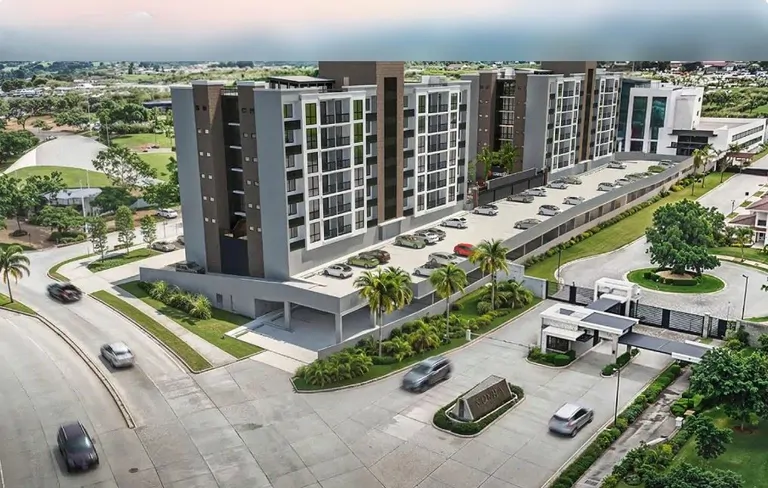
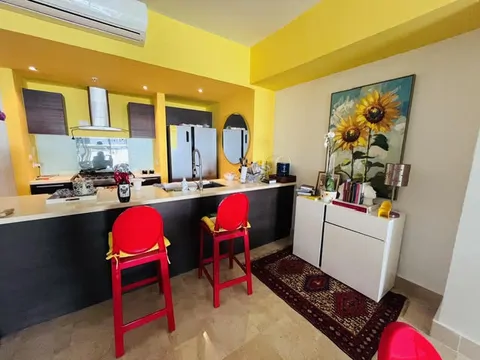
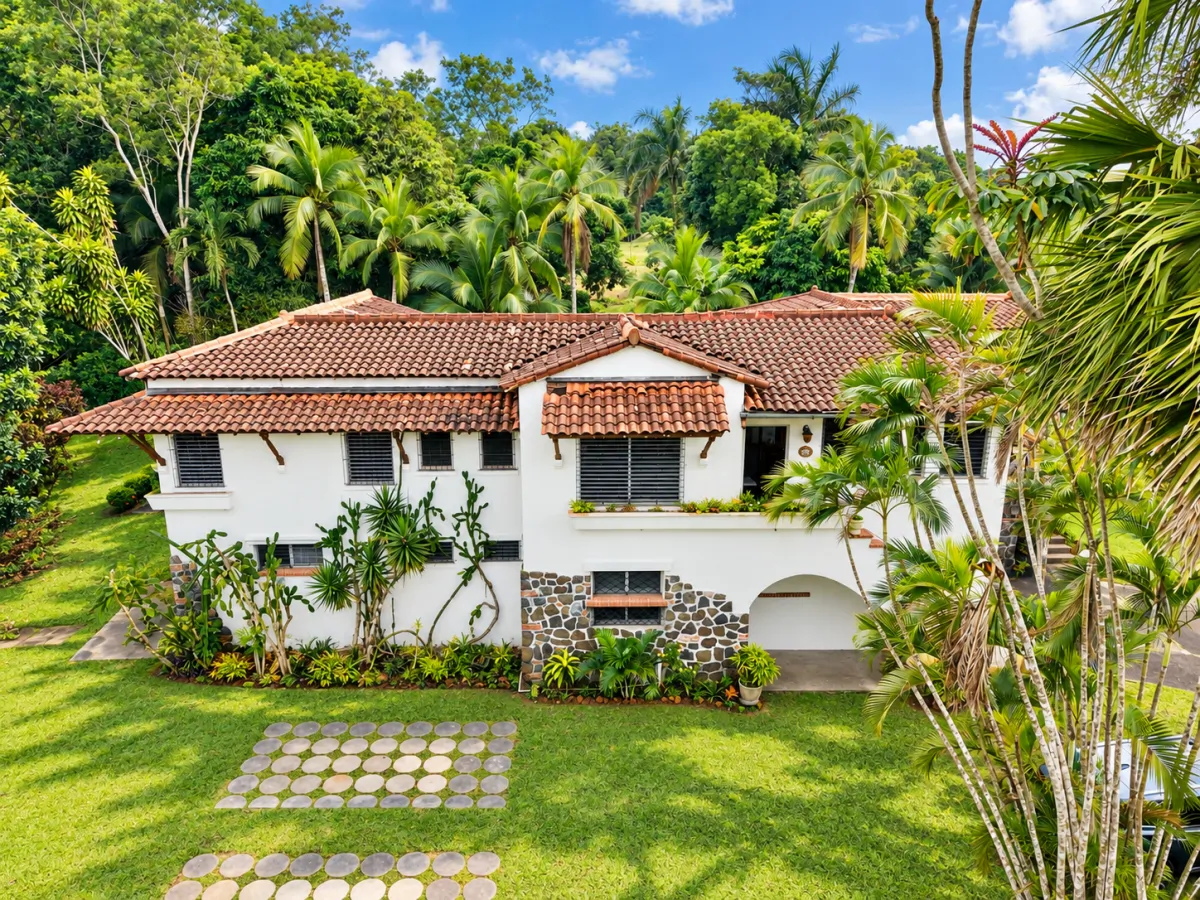
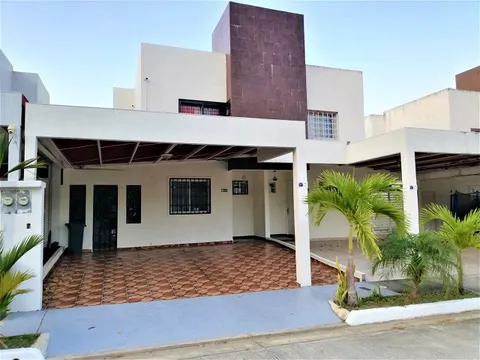
Panama
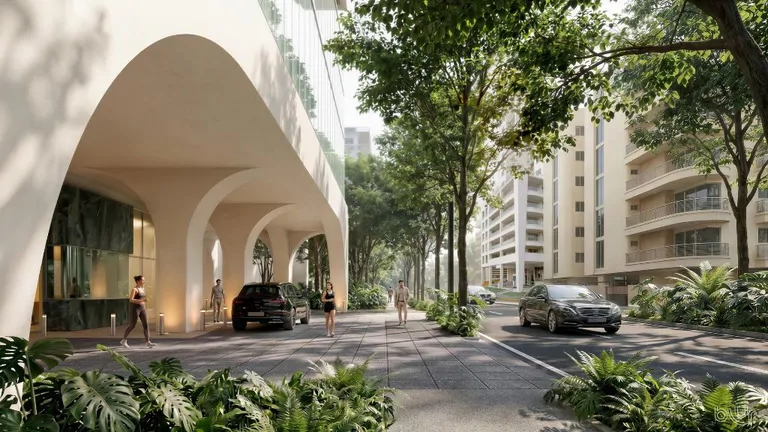
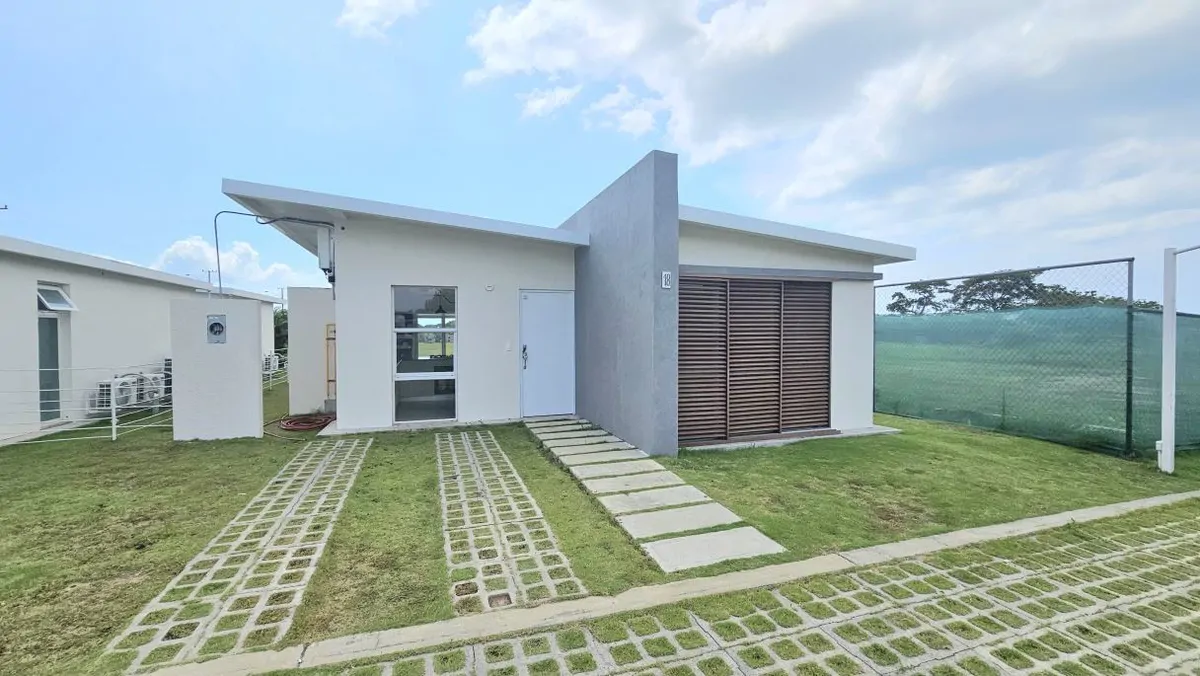
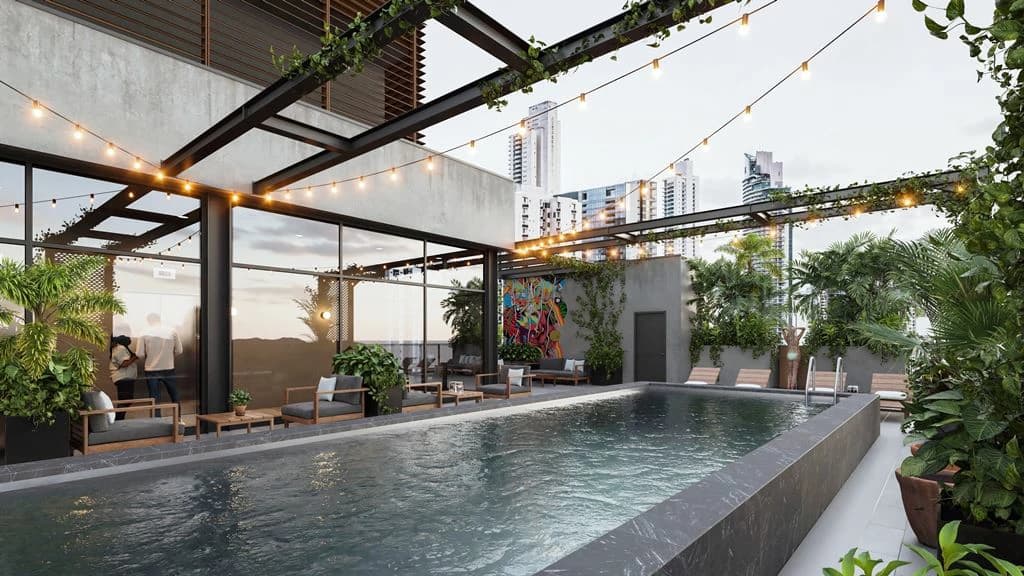
Investment in Bella Vista Steps from the Cinta Costera – PH VIBE
Panama
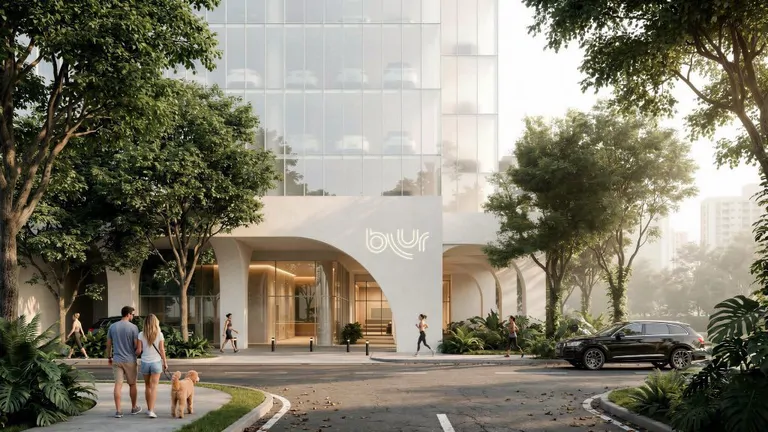
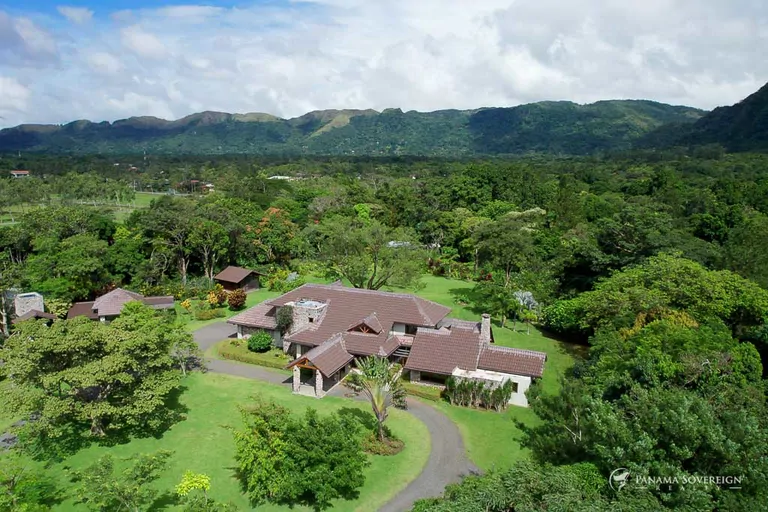
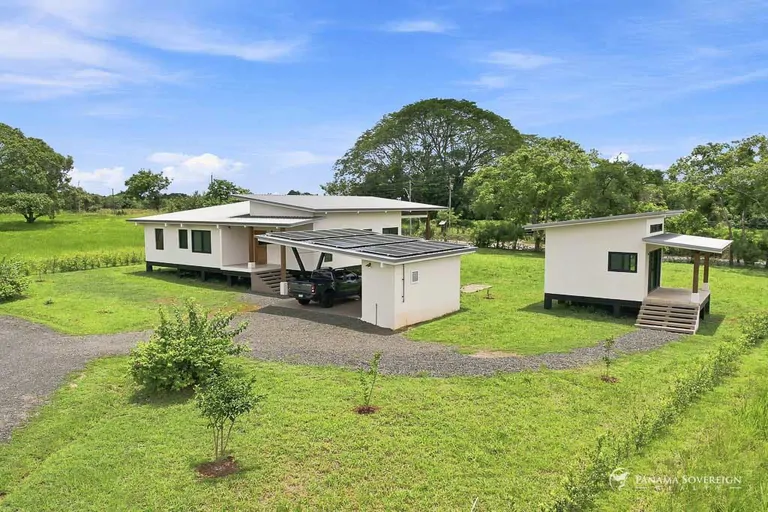
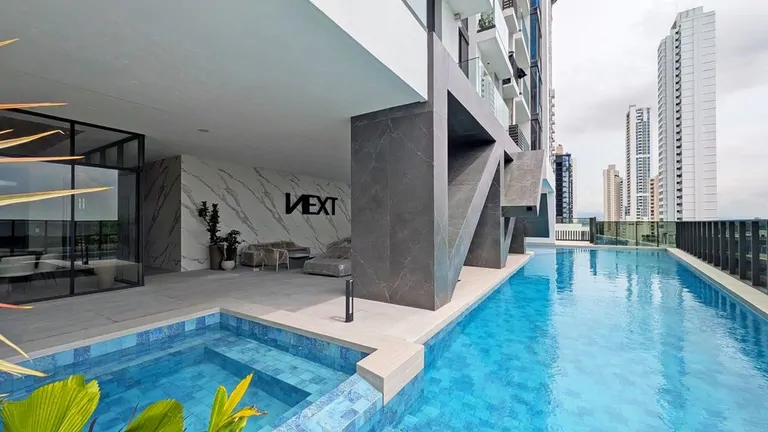
San Francisco, Panama City | FOR SALE Modern Residences-BLUR
Panama
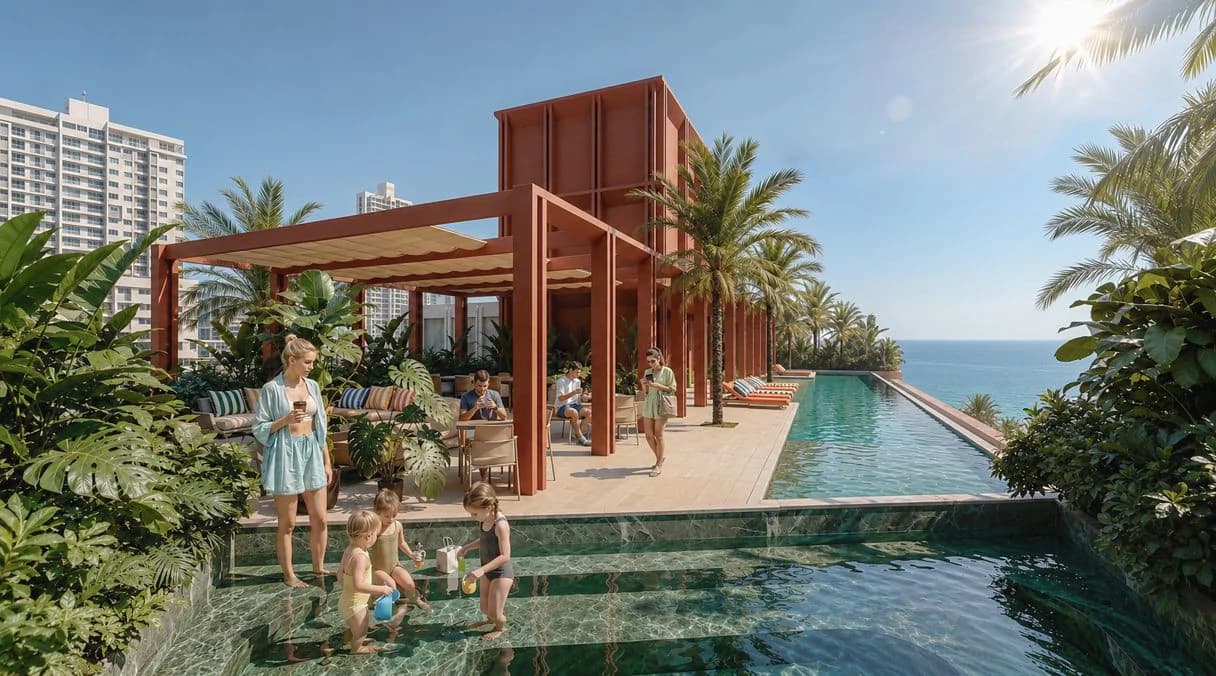
Invest in Bella Vista | Furnished Apartments with Short-Term Rental Potential
Filters
Price Range
Bedrooms
Bathrooms
Why Panama
A dollar-based market built on distinct demand pools, not one national curve
Market Character
Panama gives American buyers an unusual combination: a dollar-based economy, direct air access through a major hub, a modern capital, established beach and retirement communities, and property ranging from high-rise apartments to Pacific villas, mountain homes, farms, and Caribbean island assets. That familiarity can mislead. A condominium in Panama City, a resort unit near Coronado, a home in Boquete, and a parcel in Bocas del Toro serve different buyers and tenants and carry different infrastructure, title, insurance, rental, and resale risks.
Panama is not one property market. The legal framework is national, but municipal planning, horizontal-property rules, coastal status, environmental approvals, utilities, and local practice change the risk property by property. Often the key distinction is what is being sold: registered title, a concession, company shares, or rights of possession. Closed-sale evidence is thin outside established markets, so an asking price is not a valuation. Airdomo's partner network is structured by market and property type rather than treating Panama as one retirement destination.
The Investment Case
Panama's residential investment case rests on several demand pools. Panama City is a regional business, logistics, medical, education, and services center with substantial long-term rental demand. The Pacific beach corridor attracts weekend users, second-home buyers, and retirees. Boquete and the Chiriquí highlands serve long-stay and retirement residents, while Pedasí and Bocas del Toro are smaller tourism-led markets. The US dollar is legal tender and the balboa is fixed at parity, removing direct USD exchange-rate exposure.
The strongest returns come from matching a property to a proven tenant or buyer pool. In Panama City, established buildings near employment, schools, hospitals, and transport underwrite differently from towers built mainly for investors. At the coast, occupancy is seasonal and management-intensive. In the district of Panama, rentals shorter than 45 days are prohibited unless the operator has a public-tourist-accommodation permit, and PH regulations may be stricter. Outside the capital, tourism registration, municipal rules, community restrictions, and operating permissions must be confirmed before vacation-rental income is modeled.
Dollarization simplifies comparison but does not remove operating risk. Banks apply source-of-funds checks, foreign-buyer mortgages can require substantial equity, and insurance varies by construction and location. Net returns must include PH or community dues, management, vacancy, utilities, maintenance, tax compliance, and reserves for humidity, salt, storms, and flooding. In thinner resale markets, the expected exit period matters as much as the projected yield.
Foreign Ownership
Americans can generally buy and hold titled real estate in Panama directly or through an appropriate Panamanian entity. The exceptions matter. The Constitution prevents foreign individuals, foreign entities, and Panamanian entities with foreign capital from owning land within ten kilometers of Panama's international borders. Insular territory is subject to added conditions, while beaches, riverbanks, territorial waters, and other public-use assets are not private property. The transfer is documented in a public deed, authenticated before a Panamanian notary, and registered at the Public Registry.
Buyer-side costs on a straightforward cash purchase commonly run about 2 to 5 percent above price, depending on legal fees, notary and registry charges, escrow, survey, inspection, entity setup, and bank costs. Financing adds appraisal, mortgage-registration, insurance, and lender fees. The seller normally funds the 2 percent real-estate transfer tax and a 3 percent advance toward capital-gains tax before registration. For a non-ordinary sale, the capital-gain calculation is generally 10 percent of the gain, subject to filing and reconciliation rules. The contract should state every allocation.
Independent legal review should begin before a non-refundable deposit. Counsel should verify the Public Registry owner, folio, legal description, mortgages, liens, easements, litigation, taxes, and authority to sell, then match the property to its survey and approved plans. Registered title and rights of possession are not interchangeable: ROP is a claim to occupy or use land, not standard registered ownership, and can be harder to finance, insure, protect, title, and resell. For a PH unit, review bylaws, finances, insurance, reserves, arrears, assessments, parking, storage, and rental rules.
Owners may pay annual property tax based on cadastral value, plus PH or community charges, insurance, utilities, and maintenance. Panama-source rental income creates local tax and filing obligations. US citizens and residents remain taxable on worldwide income, while Panamanian accounts or entities can create FBAR, Form 8938, or other reporting requirements. Obtain cross-border tax advice before choosing the title structure.
Note: Property ownership does not automatically grant immigration status. Panama's Qualified Investor program can provide permanent residence for a qualifying real-estate investment of at least US$500,000, funded from abroad and maintained for five years. A separate economic-solvency route based on real estate currently publishes a B/.300,000 threshold and different stages. The Pensionado route is based on qualifying lifetime pension income rather than a purchase. Confirm the immigration strategy before signing.
What's on the Market
Airdomo's Panama inventory focuses on established international-buyer markets where local partners can address title, PH rules, permissions, infrastructure, and resale evidence.
Panama City and the metropolitan area. Punta Pacifica, Avenida Balboa, Costa del Este, San Francisco, El Cangrejo, Santa Maria, Casco Viejo, Clayton, and Panama Pacifico serve different price points and tenant profiles. Inventory includes resale apartments, pre-construction units, branded residences, townhomes, and limited single-family stock. Building quality and management can vary within one block. Review PH finances, owner concentration, short-term-rental rules, elevators, generators, water storage, parking, defects, litigation, tax exemptions, and special assessments. Casco Viejo adds heritage controls; Panama Pacifico and Clayton have distinct planning frameworks.
The Pacific beach corridor. Coronado, Nueva Gorgona, Punta Chame, San Carlos, Río Hato, Playa Blanca, Buenaventura, and nearby communities form Panama's most established beach-home corridor. The market combines towers, resort communities, villas, beachfront homes, and land within driving distance of the capital. Demand is strongest on weekends and in the dry season, so peak rates should not be treated as annual occupancy. Confirm legal beach access, elevation, flooding, erosion, salt exposure, water and wastewater, road condition, club and HOA obligations, rental terms, insurance, and whether promised amenities are completed.
Boquete, David, and the Chiriquí highlands. Boquete is Panama's best-known international retirement and highland market, with gated communities, town residences, mountain homes, coffee properties, and land. Volcán offers a lower-density alternative, while David provides hospitals, commerce, an airport, and locally driven rentals. Due diligence should cover surveyed access, slope stability, drainage, river and landslide exposure, water source, septic capacity, road maintenance, internet and power, agricultural use, and the cost of maintaining acreage in a wet tropical environment.
Pedasí, Azuero, and Bocas del Toro. These distinct lifestyle markets require conservative liquidity assumptions and local due diligence. Pedasí, Playa Venao, Los Destiladeros, and the Azuero coast offer villas, small developments, farms, and surf rentals, with water, road, planning, and coastal-access questions varying by site. Bocas Town, Isla Colón, Carenero, Bastimentos, and the outer islands include titled property, concessions, and ROP offerings. Verify title category, access, docks, shoreline, wastewater, freshwater, power, environmental approvals, storm exposure, insurance, and management.
Country Overview
Welcome to Panama
Frequently Asked Questions
What buyers ask about Panama
Can Americans buy property in Panama?
Yes. American citizens can generally buy and own titled property in their personal names or through an appropriate entity. The main constitutional restriction is that foreign individuals and foreign-capital entities cannot own land within ten kilometers of the international borders. Island territory is subject to added conditions, and beaches and other public-use areas cannot be privately owned. Before signing, an independent attorney should confirm that the asset is titled property and not a concession or rights-of-possession interest.
What does it cost to buy property in Panama beyond the purchase price?
On a straightforward cash purchase, buyers commonly budget about 2 to 5 percent for their attorney, notary and Public Registry charges, escrow or payment security, survey or inspection, bank fees, and any entity setup. Mortgage costs are additional. The seller normally pays the 2 percent transfer tax and makes the 3 percent advance capital-gains payment required for registration, although terms can reallocate costs. Request a written closing statement showing the payer, recipient, calculation basis, currency, and due date for every amount.
How does title work in Panama, and what should be checked?
The safest form is titled property recorded under a folio in the Public Registry. Counsel should verify ownership, legal description, boundaries, mortgages, liens, easements, litigation, taxes, permits, and the seller's authority, then register the final public deed. Rights of possession are not equivalent to title and may lack the same registry, financing, insurance, and resale protections. For a PH unit, also review bylaws, financial statements, insurance, reserves, arrears, assessments, minutes, parking, storage, and rental restrictions.
Can I get Panamanian residency by buying property?
A purchase by itself does not grant residence. The Qualified Investor program provides a permanent-residence route through a qualifying real-estate investment of at least US$500,000, made with foreign-source funds and maintained for five years. A separate economic-solvency real-estate category currently publishes a B/.300,000 threshold and follows different requirements and stages. The Pensionado program is based on lifetime pension income, not property ownership. Use immigration counsel before deciding the price, title holder, financing, or closing date.
What is the buying-process timeline in Panama?
A clean, titled, cash resale can often move from accepted terms to a registered transfer in roughly four to eight weeks, but timing depends on the deposit agreement, title search, survey, tax clearance, seller documents, notary preparation, payment method, and Public Registry processing. Financing, probate, corporate sellers, old surveys, boundary conflicts, PH arrears, permits, tax exemptions, coastal assets, or ROP can extend the process materially. Release closing funds only under agreed conditions tied to registrable documents and transfer security.
Can I rent out my Panama property as a vacation rental?
It depends on the location, property, and approvals. In the district of Panama, rentals for fewer than 45 days are prohibited unless the operator has a public-tourist-accommodation permit. PH bylaws may prohibit or limit short stays even when tourism rules could otherwise be met. Outside the capital, owners still need to confirm ATP registration, municipal and tax requirements, land-use permissions, community rules, and any management contract. Never underwrite short-term income from a listing statement alone; verify the licence path before purchase.
What taxes and ongoing costs apply to Panama property?
Annual property tax is based on cadastral value. General progressive rates are 0 percent up to B/.30,000, 0.60 percent from B/.30,001 to B/.250,000, 0.80 percent from B/.250,001 to B/.500,000, and 1 percent above. Approved principal residences or family-tax estates use lower bands: 0 percent up to B/.120,000, 0.50 percent to B/.700,000, and 0.70 percent above. Exemptions can alter the result. Owners also budget PH or HOA fees, insurance, utilities, maintenance, and Panama tax on local rental income. US reporting may apply.
How does Airdomo help with buying property in Panama?
Airdomo connects you with a vetted partner in the relevant market, coordinates verified listings, and supports independent legal review, Public Registry and survey checks, title-versus-ROP analysis, PH and developer due diligence, tax and residency planning, coastal review, and introductions to managers and inspectors. Buyers pay nothing to work with Airdomo. The platform earns a seller-side referral fee when a transaction closes, the standard international model.