
Luxury Real Estate for Sale in the Dominican Republic
The Caribbean's Premier Luxury Destination
Homes & Properties for Sale in the Dominican Republic
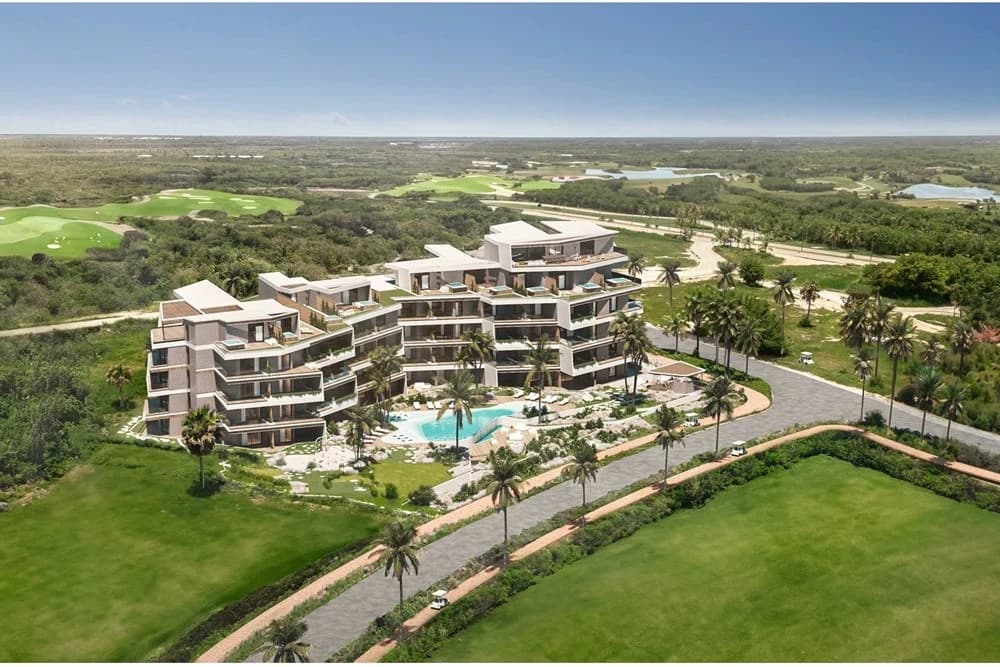
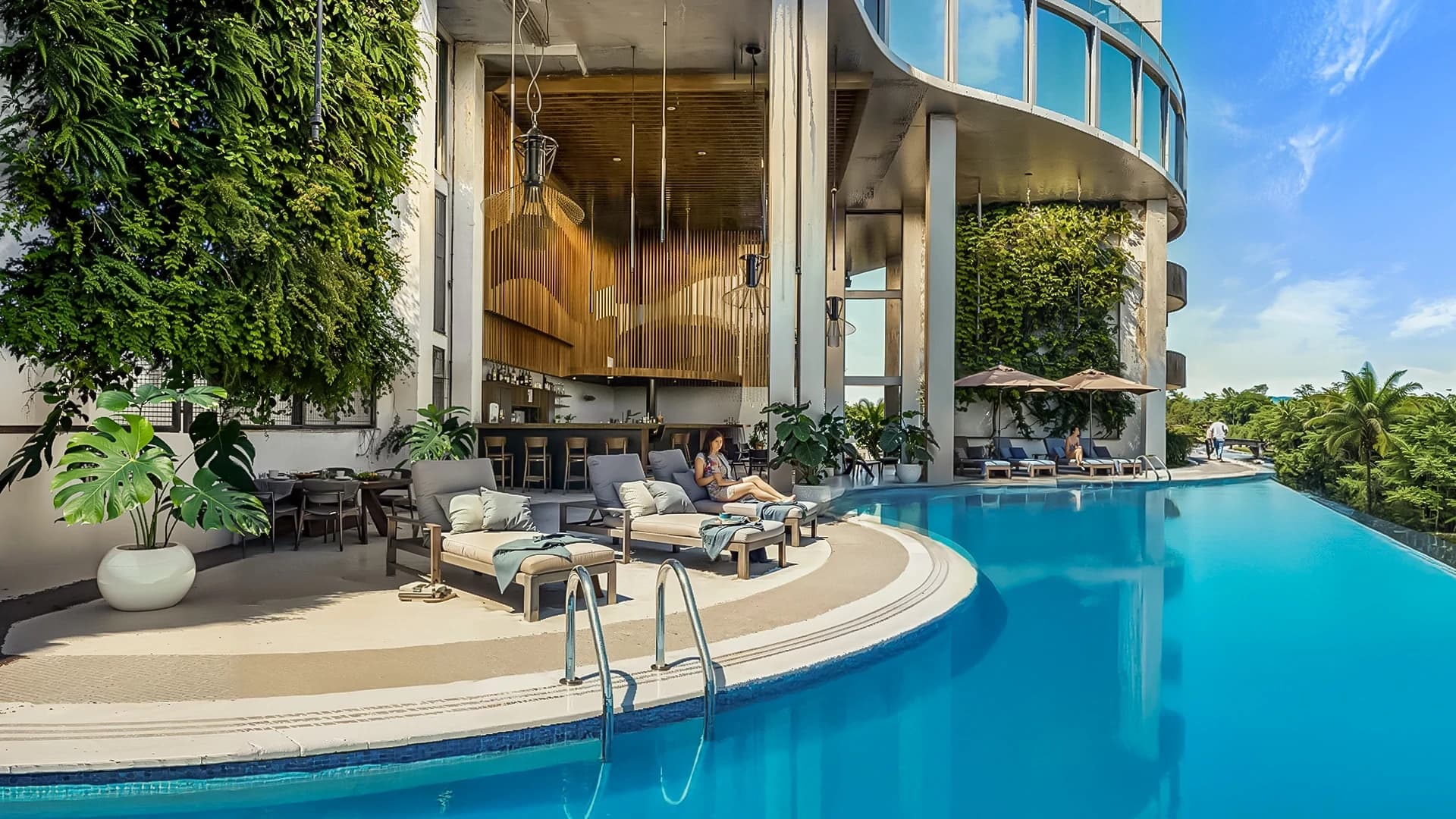
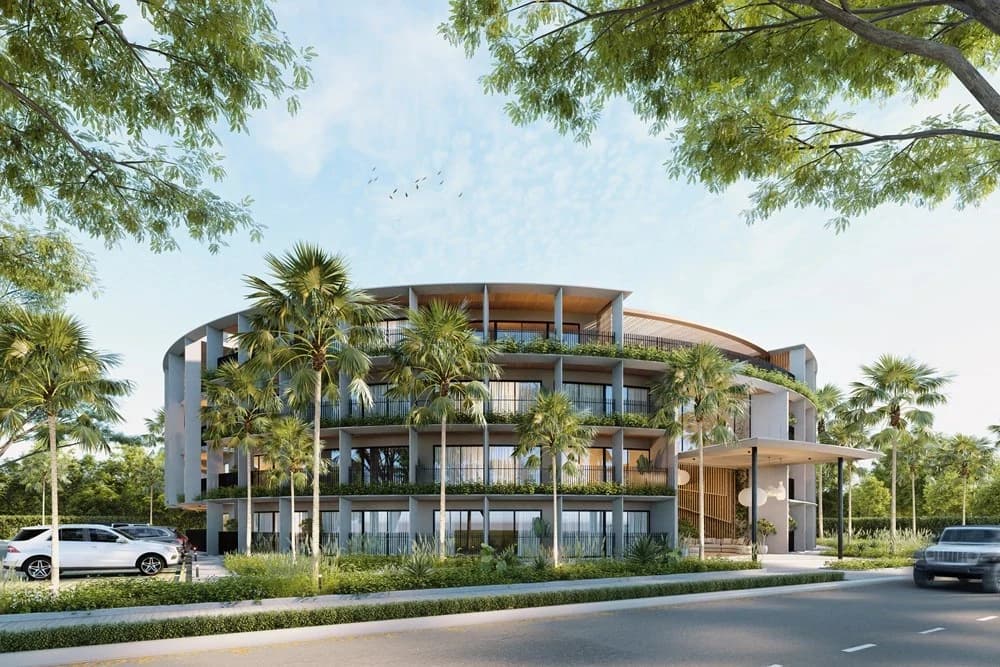
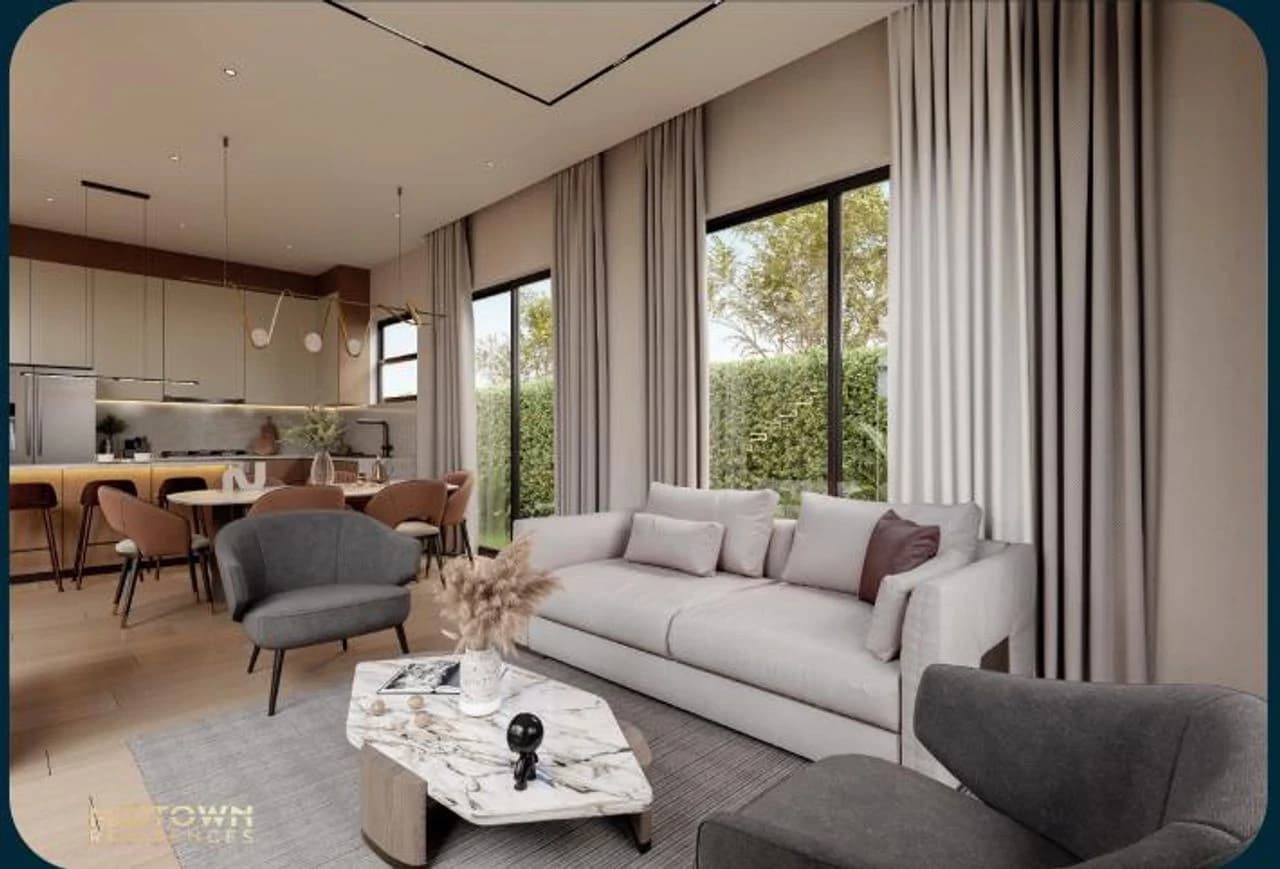
Showing 1–6 of 6 properties across Punta Cana, Casa de Campo, La Romana, and Bayahíbe
Filters
Price Range
Bedrooms
Bathrooms
Why the Dominican Republic
An expansion-driven market built on accessibility, yield, and growth
Market Character
The Dominican Republic has emerged as one of the most active real estate markets in the Caribbean for international buyers, driven by a combination of accessibility, pricing advantage, and sustained tourism growth. Unlike more supply-constrained markets, the Dominican Republic operates as an expansion-driven environment, with continuous development in Punta Cana, Cap Cana, and Las Terrenas.
Buyer profiles are diverse. North American investors dominate the market, followed by European buyers and a growing segment of Latin American capital seeking dollar-denominated assets. The market is not purely lifestyle-driven—many buyers approach it as an income-generating investment, often combining personal use with structured rental strategies.
Tourism remains the underlying driver. The country consistently ranks among the top Caribbean destinations by visitor volume, with Punta Cana acting as the primary gateway. This demand supports both short-term rental occupancy and long-term infrastructure investment, creating a market that is both liquid and growth-oriented.
The Investment Case
The investment case in the Dominican Republic centers on three factors: entry price, rental yield, and long-term appreciation.
Entry prices remain significantly lower than comparable Caribbean markets. Buyers can access beachfront or resort-integrated properties at price points that would be unattainable in markets such as Turks and Caicos or the Bahamas. This creates a lower barrier to entry and allows for portfolio diversification across multiple assets rather than a single acquisition.
Rental income is a core component of the strategy. Short-term rentals are widely permitted in tourist zones, and many developments are designed with rental programs in mind. Occupancy rates in prime areas such as Punta Cana and Cap Cana are supported by year-round tourism, with professionally managed properties offering turnkey income solutions.
Unlike zero-tax jurisdictions, the Dominican Republic does apply ongoing taxes. However, even when accounting for transfer tax and annual property tax, the net yield profile remains competitive relative to U.S. and European markets.
Foreign Ownership
Foreign buyers, including Americans and Europeans, can own property in the Dominican Republic with full ownership rights and no restrictions. There is no requirement for local partners, and ownership can be held either personally or through a Dominican corporation.
The country operates under a title registration system, where each property is assigned a Certificate of Title. Proper legal due diligence is essential, particularly in verifying title history and ensuring no encumbrances exist.
The buying process is straightforward but requires coordination. Buyers typically engage a local attorney, complete due diligence, and close within 30 to 60 days for resale properties. Pre-construction purchases follow staged payment structures tied to development progress.
Residency is not automatically granted through property ownership but can be pursued through investment-based programs, making the country attractive for buyers considering long-term relocation.
What's on the Market
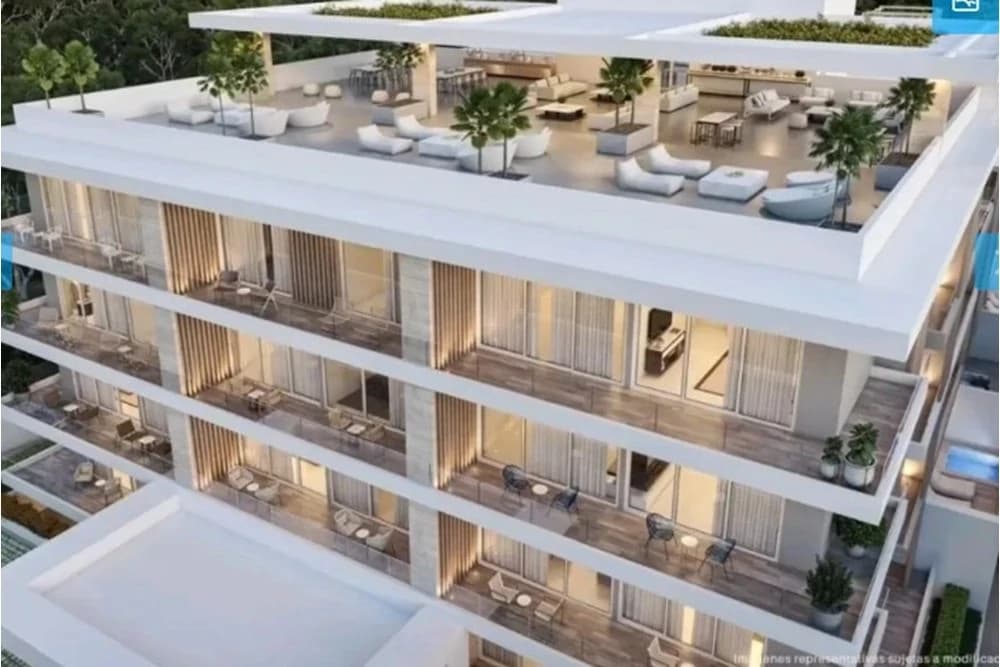
Airdomo currently features properties across the Dominican Republic ranging from entry-level investment condos to high-end beachfront villas and branded residences.
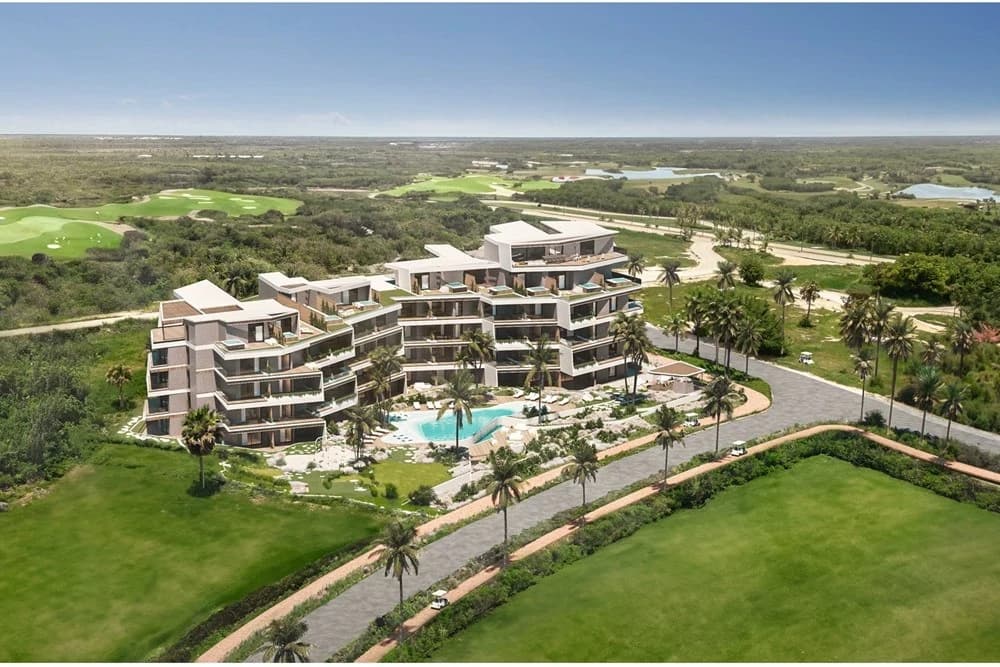
Punta Cana and Bavaro represent the largest share of inventory, offering resort-style condominiums and developments designed for rental income. Cap Cana sits at the top end of the market, with marina-front estates, golf communities, and branded residences targeting luxury buyers.
Las Terrenas offers a distinct profile, combining boutique developments with strong lifestyle appeal, while Santo Domingo provides an urban alternative with stable long-term rental demand.
Property types include beachfront villas, resort condominiums, pre-construction developments, and branded residences. Price points vary significantly by location, with the widest selection currently concentrated in the Punta Cana corridor.
Free Buyer's Guide
The Foreign Buyer's Guide to Dominican Republic Real Estate
10 pages covering foreign ownership rules, the buying process, tax structure, and the market areas where Airdomo operates.
No email required.
Download Guide PDFCountry Overview
Welcome to the Dominican Republic
Frequently Asked Questions
What buyers ask about the Dominican Republic
Can foreigners buy property in the Dominican Republic?
Yes. Foreign buyers can purchase and own property in the Dominican Republic with the same rights as local citizens. There are no ownership restrictions, no requirement for a local partner, and no limitations on repatriating funds after a sale. Ownership can be held in a personal name or through a Dominican corporation. The key requirement is proper legal due diligence, including title verification through a qualified local attorney to ensure the property is free of liens or ownership disputes.
Is Dominican Republic real estate a good investment?
The Dominican Republic offers a strong investment profile driven by tourism growth, relatively low entry prices, and established short-term rental demand. Investors typically target areas such as Punta Cana and Cap Cana, where occupancy rates and rental yields are supported by year-round travel. While the market includes taxes and requires active management, it provides higher yield potential compared to many Caribbean and European markets. Performance ultimately depends on location, property type, and rental strategy.
What are the property taxes in the Dominican Republic?
The primary acquisition cost is a one-time 3% transfer tax based on the property value. Annual property tax (IPI) applies at approximately 1% for properties above a certain threshold. Additional costs may include HOA fees, insurance, and property management if the property is rented. Compared to zero-tax jurisdictions, the Dominican Republic has ongoing costs, but these are typically offset by stronger rental income potential.
What is the buying process for foreign buyers?
The process begins with selecting a property and signing a reservation agreement. A local attorney then conducts due diligence, including title verification. Once cleared, a purchase agreement is signed, and payments are made according to the agreed structure. Closing involves final payment and transfer of title. Resale transactions typically take 30 to 60 days, while pre-construction purchases follow developer timelines. Most international buyers complete the process remotely with legal representation.
What are the best areas to buy property in the Dominican Republic?
Punta Cana and Bavaro are the most active investment markets, offering strong rental demand and a wide range of developments. Cap Cana is a higher-end market with luxury villas, marina access, and golf communities. Las Terrenas attracts lifestyle buyers seeking a quieter environment with boutique developments. Santo Domingo provides a stable urban market focused on long-term rentals. The right location depends on whether the priority is rental income, lifestyle, or long-term appreciation.