
Real Estate for Sale in Montenegro
Adriatic Gem with Emerging Luxury Market
Homes & Properties for Sale in Montenegro
Showing 1–4 of 4 properties across Budva and Kotor
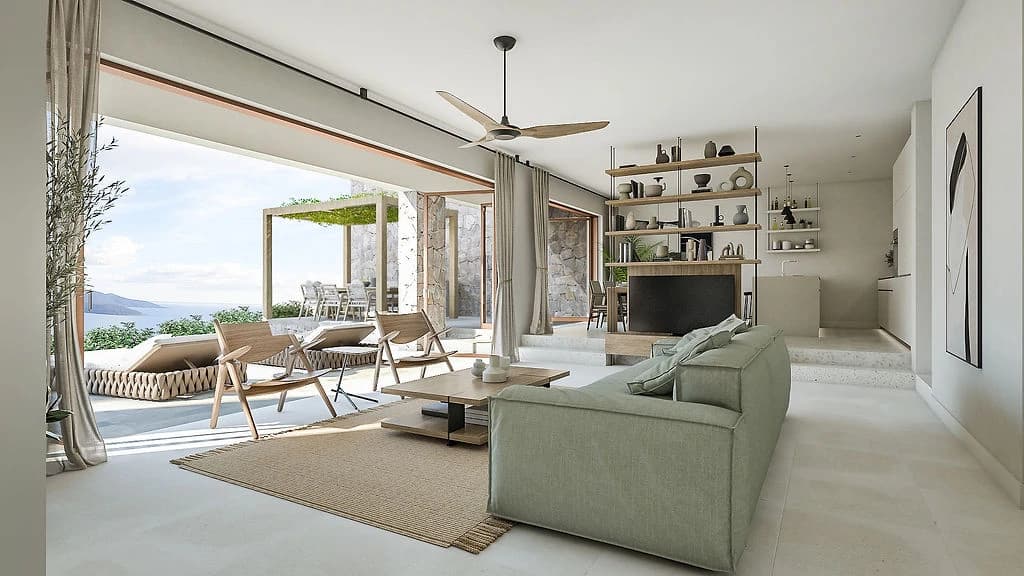
Montenegro
Golf and Seaview, villas and apartments for sale at Lustica Bay, Montenegro
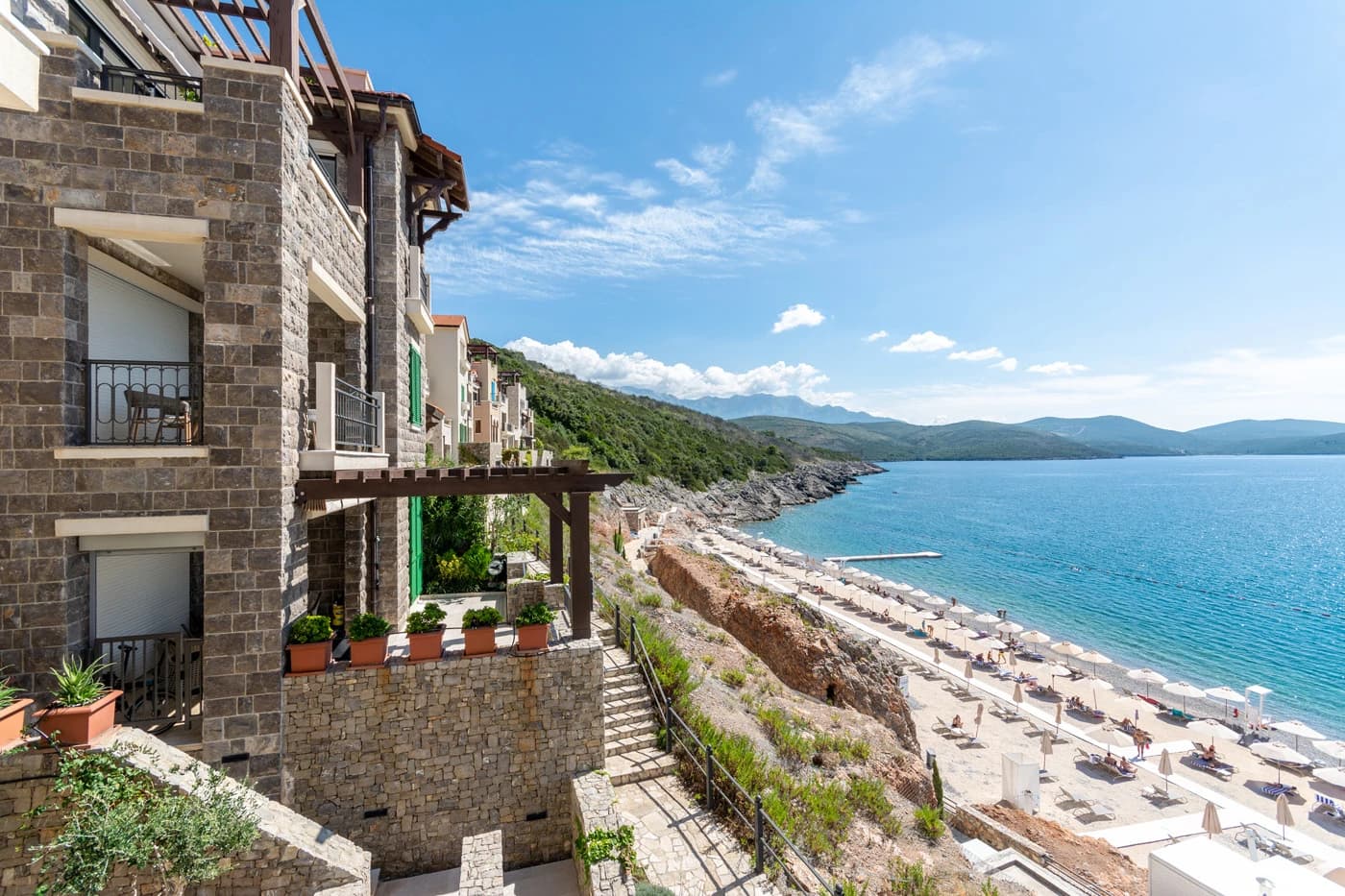
Montenegro
Marina apartments for sale at Lustica Bay, Montenegro
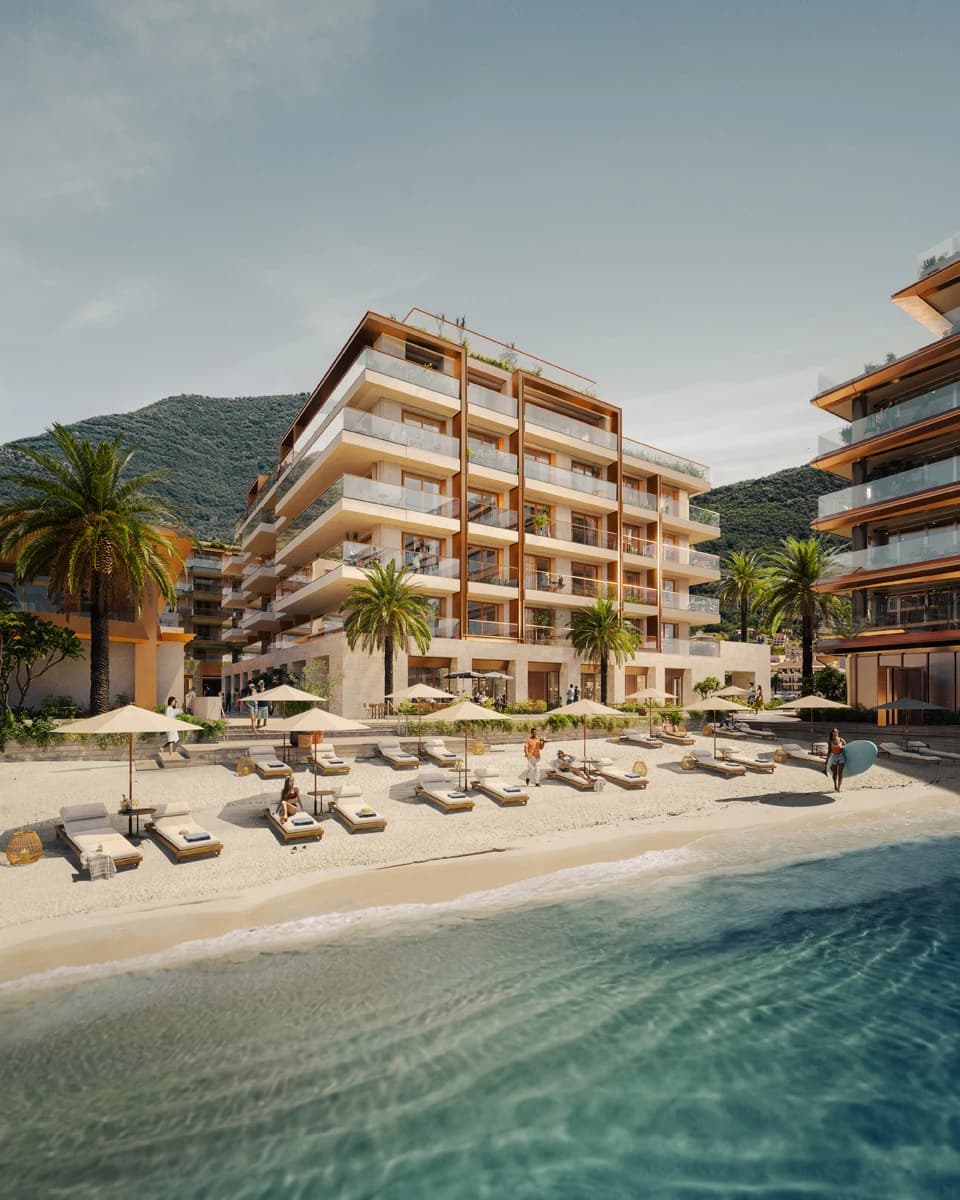
Montenegro
Studio-3 bed luxury marina residences for sale | Aurora, Porto Montenegro
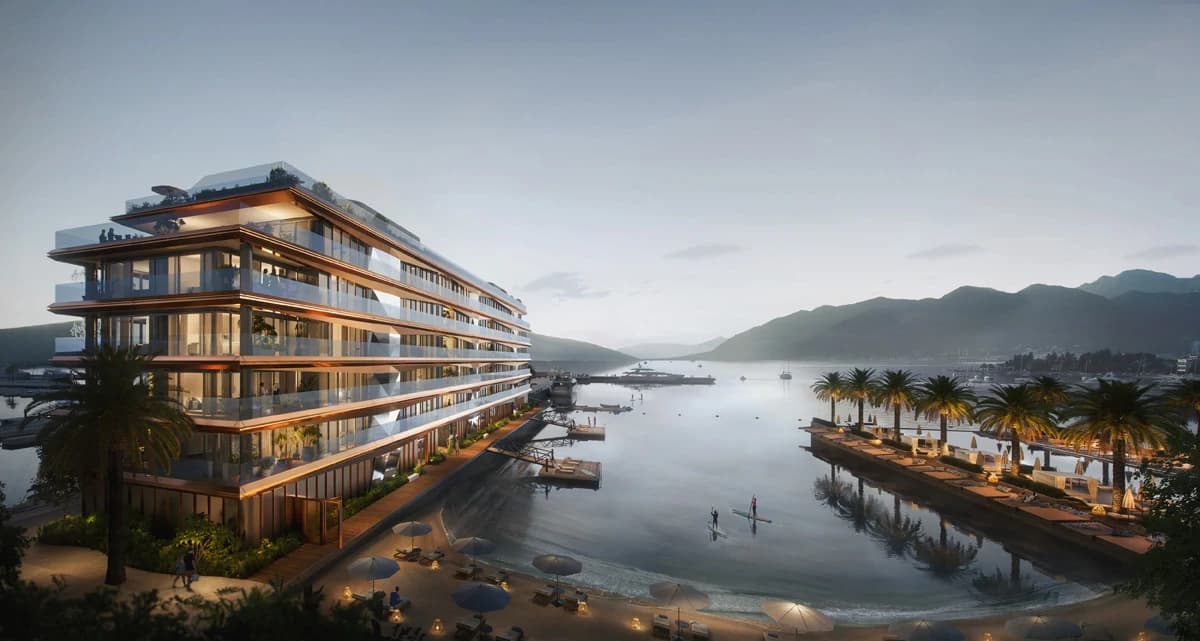
Montenegro
1-4 bed luxury marina residences for sale | Aeris, Porto Montenegro
Filters
Price Range
Bedrooms
Bathrooms
Why Montenegro
Adriatic coastline at pre-accession prices, with residency attached
Market Character
Montenegro has become one of the most compelling emerging markets on the Adriatic for international buyers. It offers a dramatic coastline on the same sea as Croatia and Italy, at prices that remain well below its more established neighbors, along with a simple ownership structure, the euro as its currency, and a residency pathway tied to property. For buyers looking at the Mediterranean and the Adriatic, it is one of the few markets that still combines genuine value with real lifestyle appeal.
The market is small and highly concentrated on the coast. The Bay of Kotor, a UNESCO-listed fjord-like bay, is the prestige heart of the market, anchored by Kotor, Tivat, and the marina development at Porto Montenegro. The Budva Riviera is the busiest resort and rental market. The Lustica peninsula is the newest premium development zone, and Herceg Novi at the mouth of the bay rounds out the coastal options. Inland and mountain markets exist but international activity is overwhelmingly coastal.
The buyer profile is a mix of lifestyle purchasers, investors, and buyers seeking European residency. Demand has come strongly from across Europe, the former Soviet states, and increasingly from further afield, drawn by the combination of price, coastline, and the residency option. The market is still maturing, which is part of the opportunity: entry points remain accessible, and quality coastal supply is limited.
Montenegro is a candidate for European Union membership, and the prospect of accession is one of the market's long-term drivers. Tourism is growing, the coastline is finite, and premium marina and waterfront supply is concentrated in a handful of developments, which supports values in the best locations.
The Investment Case
The investment case in Montenegro rests on value, scarcity of quality coastal supply, and the residency pathway.
On value, Montenegro remains significantly cheaper than established Adriatic and Mediterranean markets for comparable coastline. Buyers get sea views, marina access, and new development at price points that Croatia, Italy, or France no longer offer. As the market matures and EU accession advances, that gap is a core part of the long-term case.
On scarcity, the premium coastal market is concentrated. Waterfront and marina-front supply in the Bay of Kotor, Porto Montenegro, and Lustica Bay is limited and controlled, which supports pricing in those developments. The coastline itself is finite, and the best-located stock is a small share of the total.
On income, the rental case is strongest along the Budva Riviera and in the marina developments, where tourism demand supports seasonal short-term letting. Montenegro's tourist season is growing, and well-located coastal property can generate meaningful seasonal income.
The residency pathway adds a dimension most markets at this price point lack. Buyers who own qualifying property can obtain a renewable temporary residence permit, with a route over time to permanent residence and eventually citizenship by naturalization. For many international buyers, that is a significant part of the appeal.
Montenegro uses the euro despite not being an EU or eurozone member, which removes local currency risk within the euro. For dollar-denominated buyers, the usual euro exposure applies to purchase price and future proceeds.
Foreign Ownership
Foreign buyers can purchase apartments, houses, urban land, and commercial premises in Montenegro on the same terms as citizens. There is no requirement for a local partner. The main restriction is on land: agricultural land above 5,000 square meters and forest land cannot be owned directly by an individual. Buyers who need those categories, or property in certain protected areas, typically acquire them through a Montenegrin limited company, a DOO, which a foreigner can own outright. For the apartments and coastal homes most international buyers want, no such structure is needed.
Every transaction runs through a notary, who is mandatory and verifies identity, the validity of signatures, and the free will of both parties. Because cadastre (land registry) accuracy is the single most important due diligence point in Montenegro, engaging a local lawyer to verify title is standard and strongly advised. A certified court translator is present at the main contract for foreign buyers.
The process is straightforward. After terms are agreed, the parties sign a preliminary contract before the notary, with a deposit of around 10 percent held in escrow. The main contract is then executed before the notary, the balance is paid, and the property is registered, with registration typically taking 30 to 90 days.
Total closing costs are low by European standards, generally around 4 to 5 percent above the purchase price. Resale property carries a progressive transfer tax: 3 percent up to EUR 150,000, 5 percent on the portion between EUR 150,000 and EUR 500,000, and 6 percent above that. New-build property from a developer carries no transfer tax; instead 21 percent VAT is included in the developer's price. Notary fees, legal fees, and registration and translation costs make up the balance, and agent commission is typically paid by the seller. Annual property tax is modest, set by municipality and generally a fraction of a percent of assessed value.
On residency, owning qualifying property (with a tax-assessed value at or above EUR 150,000 for non-EU buyers under rules effective in 2026) supports a renewable temporary residence permit, valid one year at a time while the property is owned. Continuous residence over five years opens eligibility for permanent residence, and ten years for citizenship by naturalization. Thresholds and rules have been revised recently, so buyers should confirm the current position. American owners also carry US reporting obligations on foreign rental income and capital gains.
What's on the Market
The Montenegro inventory available through Airdomo reflects the coastal regions where international buyer demand is strongest and where Airdomo's local partner network is active.
The Bay of Kotor is the prestige market. Kotor offers historic stone property and dramatic bay views, while Tivat is home to Porto Montenegro, the marina development that anchors the luxury market with waterfront apartments and berth-linked residences. This is the deepest premium market in the country.
The Lustica peninsula is the newest premium zone, led by the Lustica Bay marina and resort development, which offers new-build apartments and villas in a master-planned coastal setting. Herceg Novi, at the entrance to the bay, adds a more traditional coastal town market.
The Budva Riviera is the busiest resort and rental market. Budva and the surrounding coast offer apartments and homes with the strongest seasonal tourism demand and the most active short-term rental scene in the country.
Property types across the market include marina and waterfront apartments, coastal and hillside villas, historic stone homes, and new-build resort residences. Supply of prime waterfront is limited and concentrated in a few developments, which supports long-term value in the best locations.
Frequently Asked Questions
What buyers ask about Montenegro
Can foreigners buy property in Montenegro?
Yes. Foreign buyers can purchase apartments, houses, urban land, and commercial property on the same terms as Montenegrin citizens, with no local partner required. The main restriction is on agricultural land above 5,000 square meters and forest land, which cannot be owned directly by an individual; buyers who need those categories acquire them through a Montenegrin company, which a foreigner can own outright. For the coastal apartments and homes most international buyers want, no special structure is needed.
Is Montenegro real estate a good investment?
Montenegro offers genuine value on the Adriatic, with coastline and new development at prices well below Croatia, Italy, or France. The premium coastal supply is limited and concentrated in a few marina developments, which supports pricing, and the country is an EU membership candidate, a long-term driver. Rental demand is strongest along the Budva Riviera and in the marina developments during a growing tourist season. The residency pathway tied to property adds appeal that few markets at this price point offer.
What taxes and costs apply when buying property in Montenegro?
Closing costs are low, generally around 4 to 5 percent above the purchase price. Resale property carries a progressive transfer tax: 3 percent up to EUR 150,000, 5 percent on the portion to EUR 500,000, and 6 percent above that. New-build property has no transfer tax but includes 21 percent VAT in the developer's price. Notary fees, legal fees, and registration and translation costs make up the rest, with agent commission typically paid by the seller. Annual property tax is modest and set by municipality.
Can I get residency in Montenegro by buying property?
Yes. Owning qualifying property supports a renewable temporary residence permit, valid one year at a time while you own the property. Under rules effective in 2026, the qualifying property generally needs a tax-assessed value of at least EUR 150,000 for non-EU buyers. Continuous residence over five years opens eligibility for permanent residence, and ten years for citizenship by naturalization. The thresholds have been revised recently, so confirm the current requirements before relying on them.
What is the buying process for foreign buyers in Montenegro?
The buyer engages a local lawyer to verify cadastre and title, which is the most important due diligence step. After terms are agreed, the parties sign a preliminary contract before a notary, with a deposit of around 10 percent held in escrow. The main contract is then executed before the notary, with a certified court translator present, the balance is paid, and the property is registered. Registration typically takes 30 to 90 days.