- Saint Lucia is a small, green, mountainous island where life moves at a slower pace and nature sets the rhythm of the day.
- The north around Rodney Bay and Cap Estate offers marinas, restaurants and golf, while Soufriere in the south is quieter and built around the Pitons.
- English is the official language, Saint Lucian Creole is widely spoken, and the East Caribbean dollar is fixed at 2.7 to the US dollar.
- Foreign buyers can own property outright after obtaining an Alien Landholding License, usually closing in 60 to 90 days.
- The homes featured in this guide range from three-bedroom townhouses at $495,000 to an estate home at $3,250,000.
Most people arrive in Saint Lucia as visitors. The ones who come back to stay usually describe the same moment: the drive from the airport, when the road climbs through rainforest and the sea keeps appearing between the hills. The island is beautiful, but what keeps people here is something quieter. Days feel longer. Neighbors know your name. Weekends are spent on the water rather than in traffic.
This guide looks at what it is actually like to live in Saint Lucia, from the rhythm of a normal week to the areas people choose and the homes currently available. If you are still early in your research, our complete guide to buying property in Saint Lucia covers the legal process in more depth.
What does everyday life in Saint Lucia feel like?
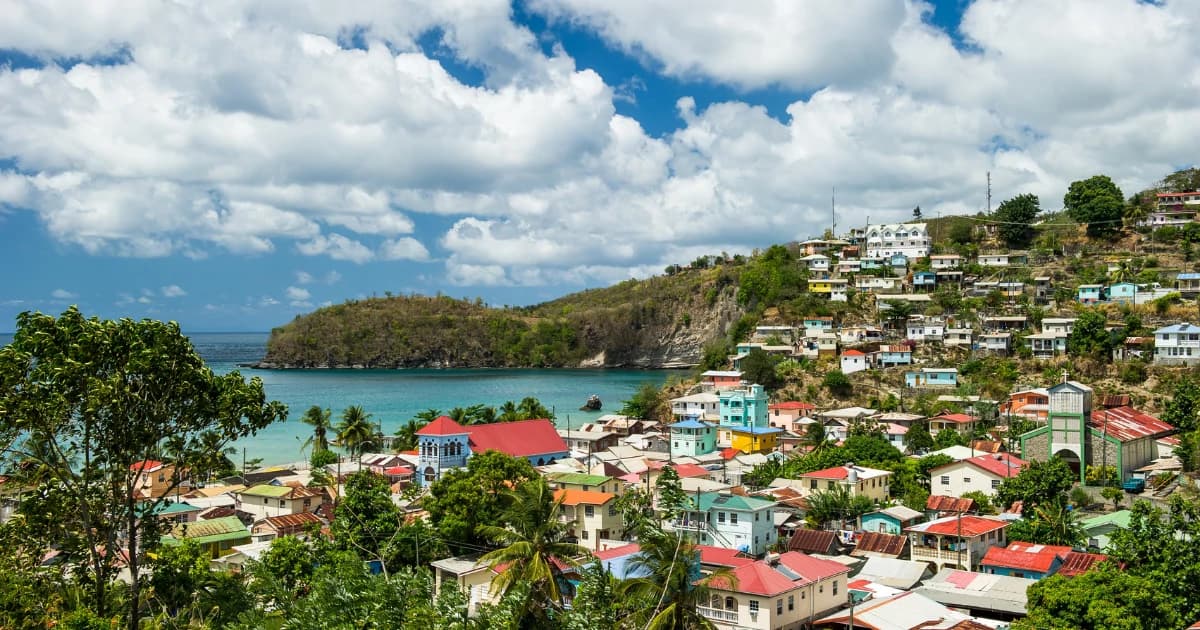
Saint Lucia is a compact island of about 616 square kilometers, with volcanic, mountainous terrain and a long coastline of bays and coves. Most residents live along the coast, with the busiest concentration in the north around the capital, Castries. That shape defines daily life. You are rarely far from the sea, and the interior stays green and largely wild.
A typical day starts early, when the air is coolest. Mornings might mean a swim, a walk along the beach or coffee on a terrace watching boats leave the marina. Errands, lunch and work fill the middle of the day. Evenings are for sunset, which is something of a ritual on the west coast, followed by dinner at a waterfront restaurant or at home with friends.
English is the official language, which makes the transition simple for buyers from the United States, the United Kingdom and Canada. You will also hear Saint Lucian Creole, known locally as Kweyol, a French-based language that reflects the island's mixed British and French history.
The local currency is the East Caribbean dollar, which has been fixed at 2.7 to the US dollar for decades. Property prices are quoted in US dollars, and that fixed rate makes budgeting predictable for American buyers.
Where do people actually live on the island?
Saint Lucia is small, but each area offers a very different kind of life. The choice usually comes down to one question: do you want convenience and community, or privacy and views?
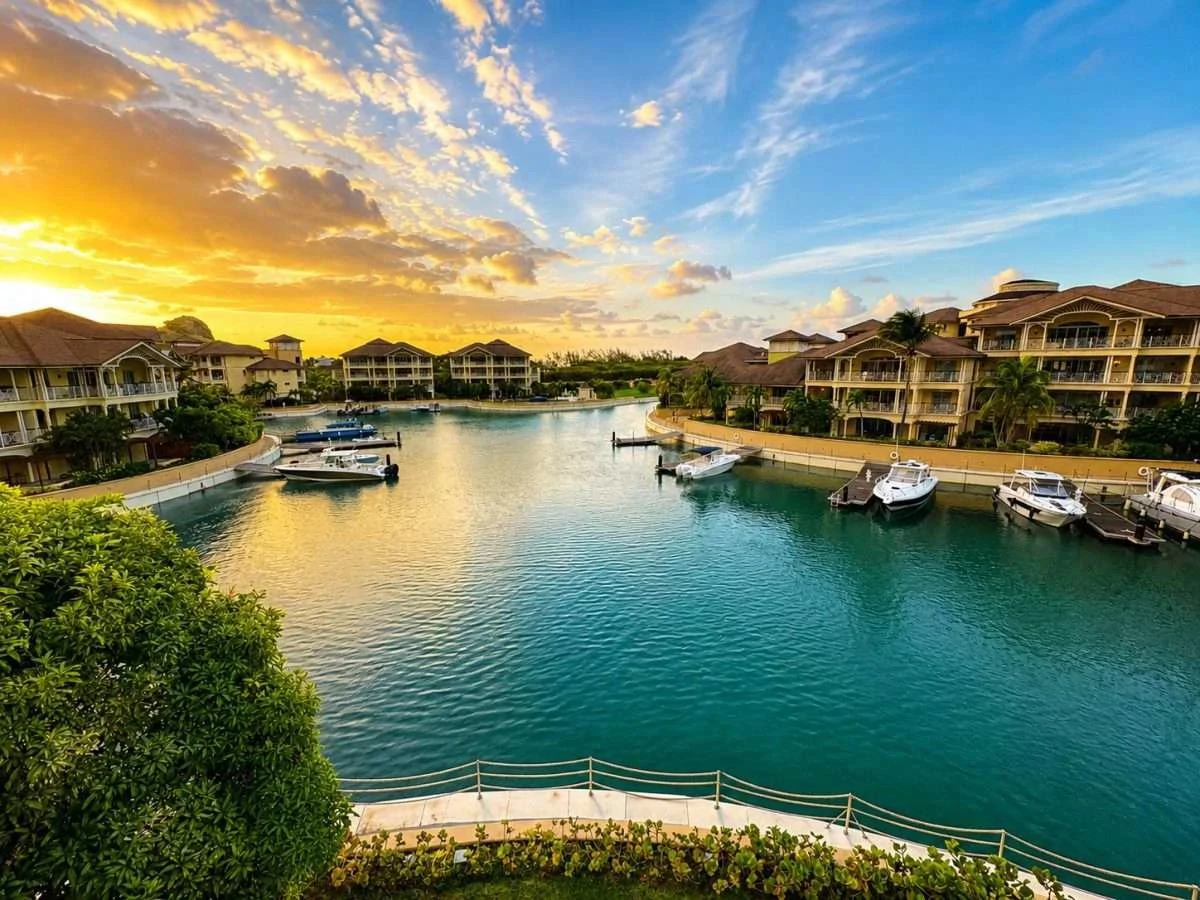
Rodney Bay and Cap Estate in the north are the most developed and active parts of the island, with marinas, restaurants and resort infrastructure. Rodney Bay suits people who like to walk to dinner and be close to shops and services. Cap Estate, on the northern tip, is quieter and more residential, with larger homes, golf and sea views in two directions.
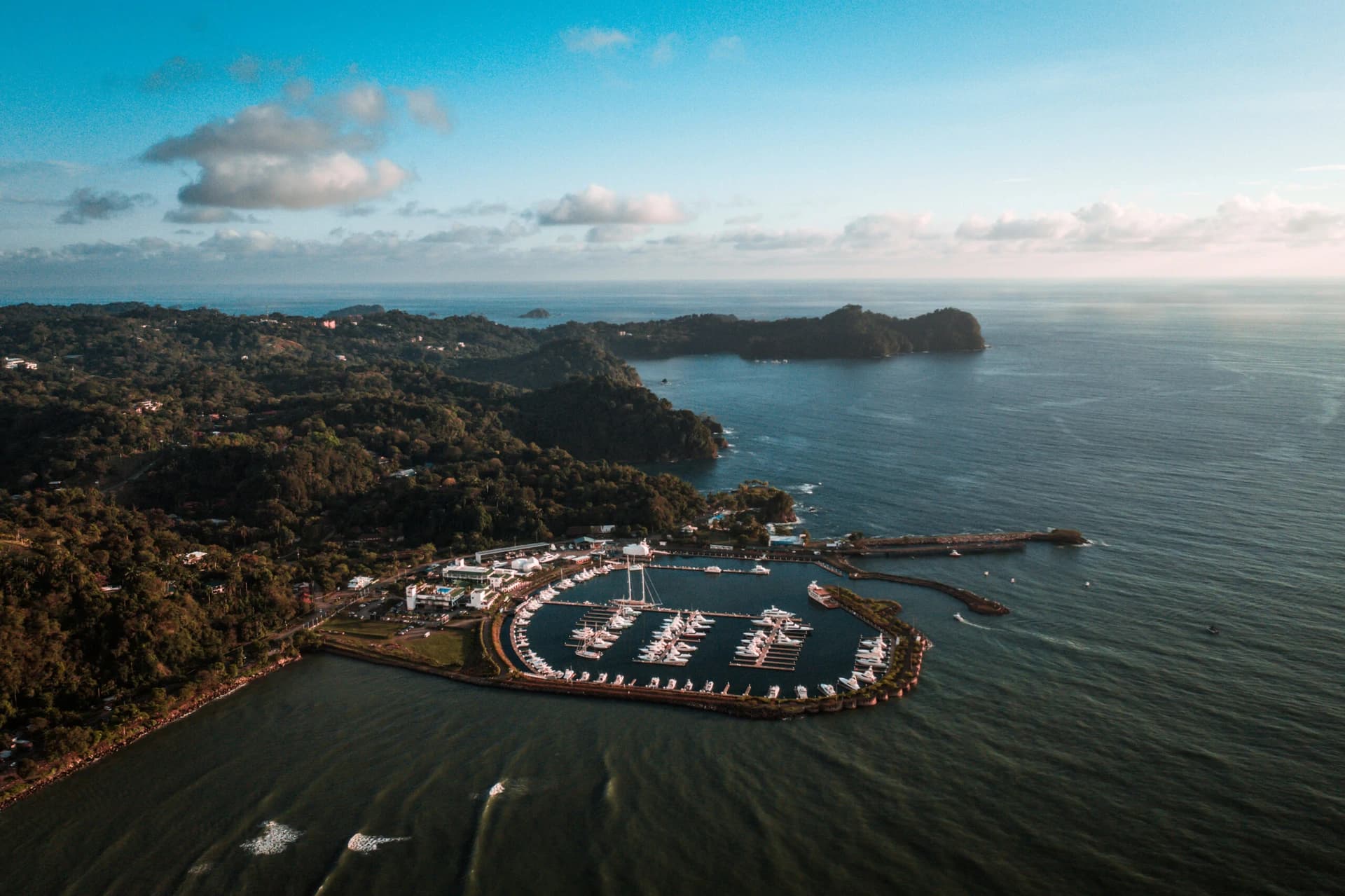
Marigot Bay, on the west coast, is known for its natural harbor and marina access, with a blend of residential and resort-style homes. It feels intimate and sheltered, a favorite with sailors.
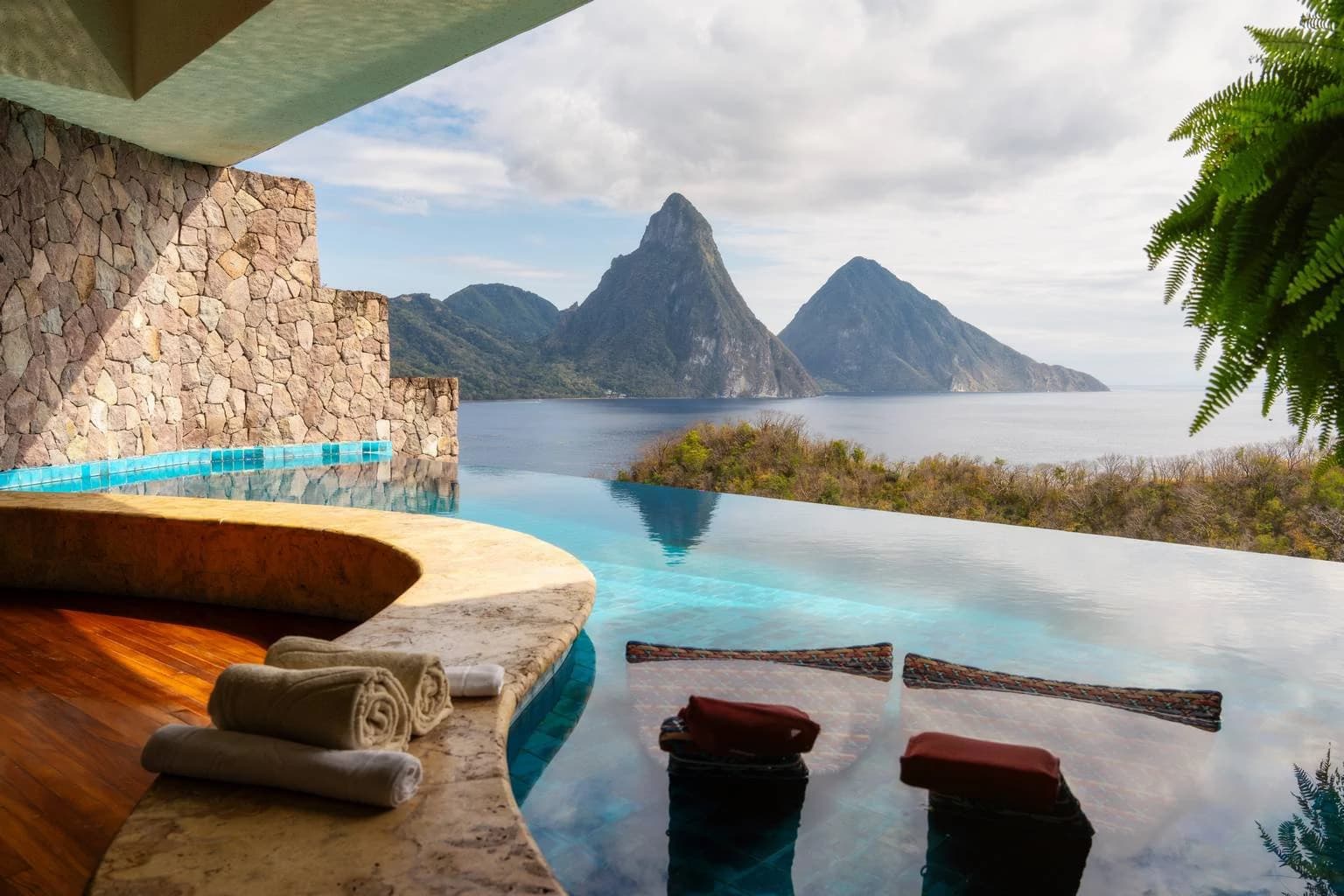
Soufriere and the southwest coast offer a more exclusive, low-density setting defined by the Pitons. Homes here are usually chosen for privacy, views and long-term lifestyle ownership, often within boutique resorts or standalone estates.
| Area | Feel | Best for |
|---|---|---|
| Rodney Bay | Lively, walkable, marina life | Convenience, dining, rental demand |
| Cap Estate | Residential, private, golf and sea views | Full-time living, larger villas |
| Marigot Bay | Sheltered harbor, intimate | Sailors, hillside villas with views |
| Soufriere | Quiet, scenic, low density | Privacy, iconic Pitons views |
How do you get around, and how easy is it to get home?
The island has two airports. Hewanorra International Airport near Vieux Fort, in the south, handles most long-haul international flights from North America and Europe. George F. L. Charles Airport, just north of Castries, mainly serves regional flights to neighboring Caribbean islands. Many northern residents fly into Hewanorra and enjoy the scenic drive up the coast, or connect through a regional hub to land closer to home.
Driving is on the left, a legacy of British rule. Roads wind through hills and villages, so distances that look short on a map take longer than expected. Most residents own a car, and many in the north find that everything they need day to day is within a short drive.
The water is the other road. Many owners in Rodney Bay and Marigot Bay keep a boat for day sails down the west coast.
What is the climate like through the year?
Saint Lucia has a tropical climate with little change in temperature through the year. It is warm every month, and the trade winds keep hillside homes comfortable, which is why so many villas are designed around open terraces and covered outdoor living rooms.
The drier months, roughly December to May, are peak visitor season. The wetter months bring short, heavy showers and the greenest landscapes, and they overlap with the Atlantic hurricane season, which runs from June 1 to November 30 according to the US National Hurricane Center. Owners plan for it with good insurance, shutters and a property manager who can check the home after a storm.
What homes are on the market now?
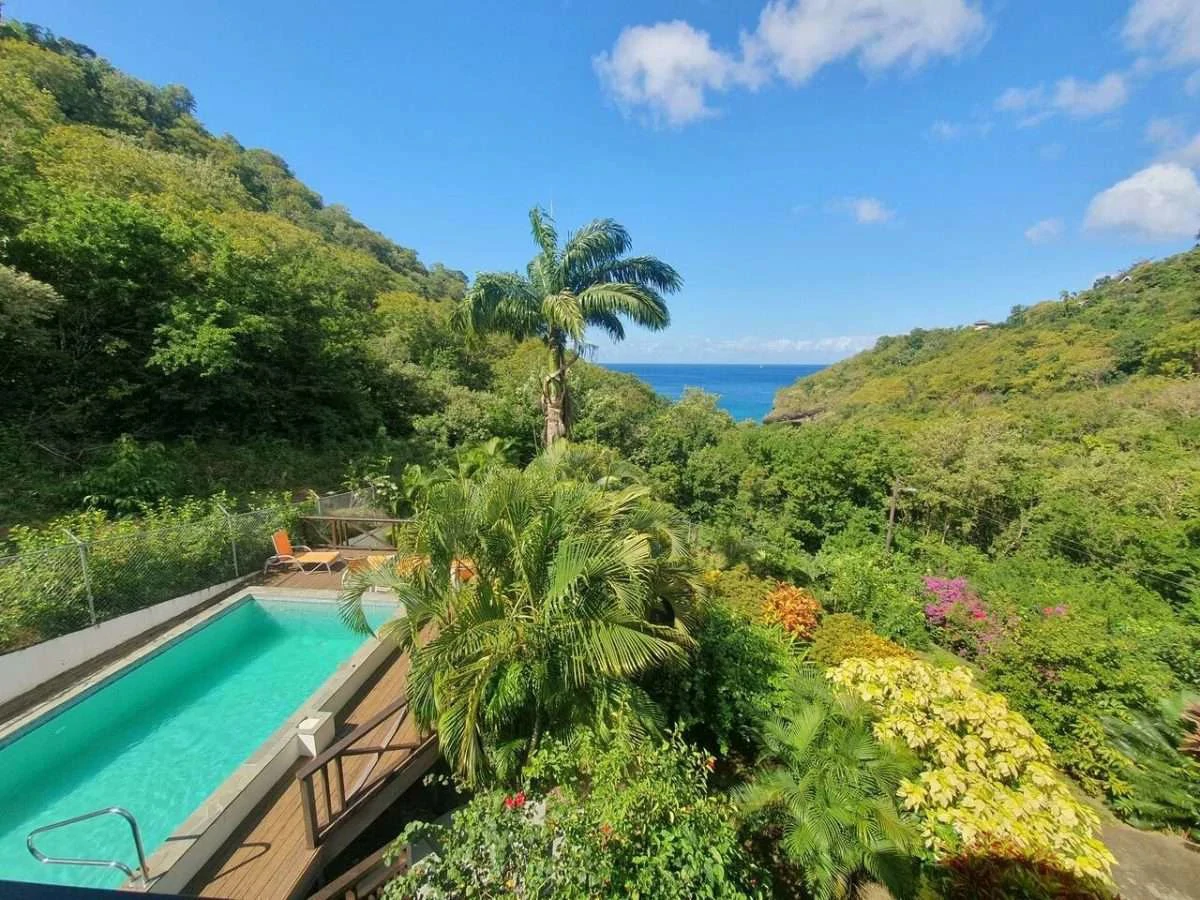
Airdomo currently features dozens of homes across Saint Lucia, from resort residences and hillside villas to estates and land for custom builds. Supply in prime coastal locations remains limited, which supports long-term value. Here is a selection across price points and areas.
| Home | Location | Bedrooms and baths | Price (USD) |
|---|---|---|---|
| Jasmine Villas No. 6 | Rodney Bay | 3 bedrooms, baths not listed | $495,000 |
| Villas on the Green Townhouse | Cap Estate | 3 bedrooms, baths not listed | $495,000 |
| Landings Marina View Apartment | Rodney Bay | 2 bedrooms, baths not listed | $700,000 |
| Mango Tree Villa | Trouya | 5 bedrooms plus 1-bed apartment, baths not listed | $700,000 |
| Villa Karibu | Marigot Bay | Not listed | $1,050,000 |
| Villa Bonheur | Cap Estate | 5 bedrooms plus housekeeper's cottage, baths not listed | $1,295,000 |
| Cap Maison Villa 107, Manchineel | Cap Maison | 3 bedrooms, baths not listed | $1,400,000 |
| Morne Du Vent Estate | Cap Estate | Not listed, plus 1-bed apartment | $3,250,000 |
What can you buy for under $1 million?
Below $1 million, the choice is mostly townhouses, resort apartments and smaller villas. These suit lock-and-leave owners and anyone who wants to be close to the marinas and beaches of the north.
Jasmine Villas No. 6, $495,000
A spacious three-bedroom townhouse of 2,090 square feet in a gated Rodney Bay community, with a private patio, shared pool and Jacuzzi, close to the marina and shops. View the listing.
Villas on the Green Townhouse, $495,000
A three-bedroom home of 1,839 square feet in gated Villas on the Green, Cap Estate, with golf course views, a private plunge pool and partial furnishings, near Cas en Bas Beach. View the listing.
Landings Marina View Apartment, $700,000
A fully furnished two-bedroom apartment of 1,971 square feet with a Jacuzzi and marina views at The Landings Resort, beachfront and near Rodney Bay and the golf courses. View the listing.
Mango Tree Villa, $700,000
A five-bedroom villa of 2,984 square feet in Trouya with a private pool, a separate one-bedroom apartment and Caribbean Sea views near La Brelotte Bay. The extra apartment suits visiting family or a caretaker. View the listing.
What do villas from $1 million offer?
From around $1 million, homes gain space, private pools and the sweeping views that define island life, along with room for guests and staff.
Villa Karibu, $1,050,000
A modern, fully furnished villa of 4,000 square feet in secluded Trou Vollant, Marigot Bay, with Caribbean Sea views, a pool and wraparound balconies. View the listing.
Villa Bonheur, $1,295,000
A spacious five-bedroom villa of 5,000 square feet in Cap Estate with a housekeeper's cottage, a 40-foot infinity pool, tropical gardens and panoramic sea and island views. View the listing.
Cap Maison Villa 107, Manchineel, $1,400,000
A three-bedroom villa of 2,865 square feet with a private pool and tropical gardens, overlooking Smugglers Cove beach. View the listing.
Morne Du Vent Estate, $3,250,000
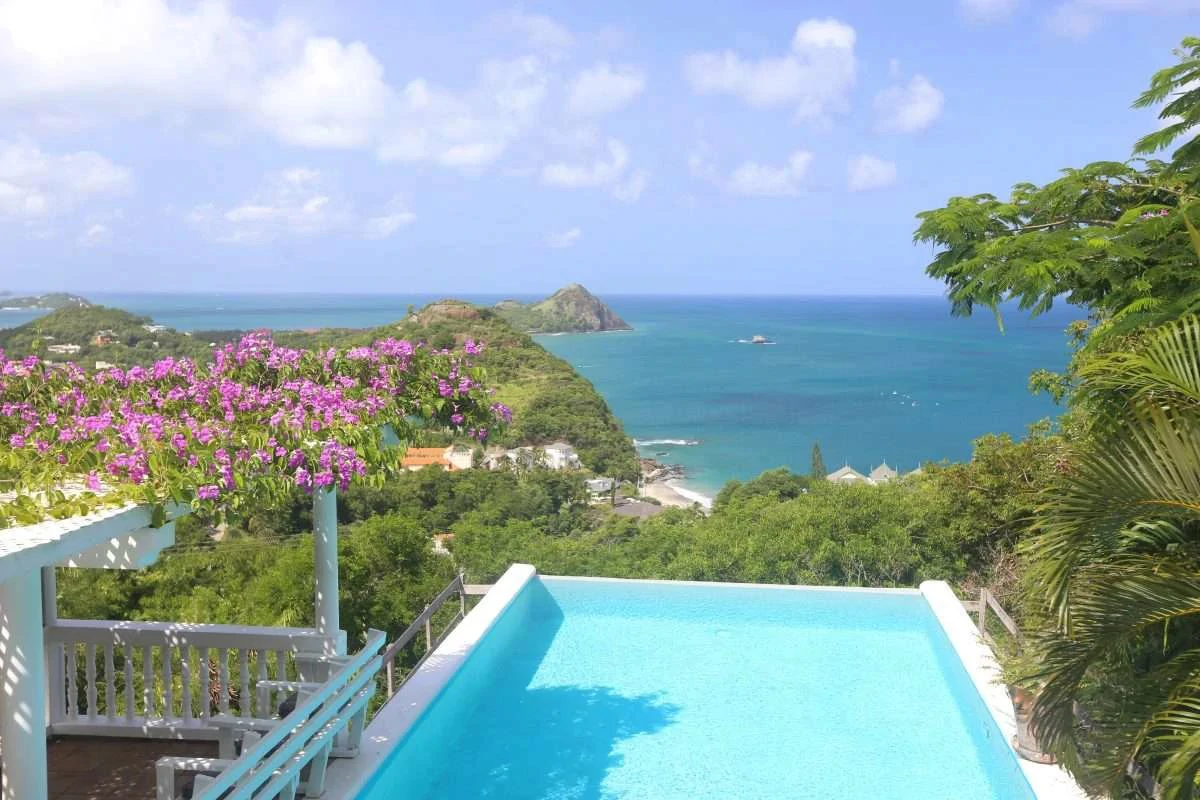
A distinctive Cap Estate home of 4,025 square feet on 2.78 acres, with Atlantic and Martinique views, a solar-heated pool, terraces and a separate one-bedroom apartment. View the listing.
Prices and availability are as listed on airdomo.com at the time of writing and may change.
What does it cost to own a home there?
Saint Lucia is not a zero-tax jurisdiction, but its overall cost structure is competitive compared with similar Caribbean markets. Transaction costs are transparent, and ongoing costs depend on the type of home and where it sits.
At purchase, buyers typically budget for legal fees, stamp duty, registration and license costs. The Stamp Duty Act lists purchaser stamp duty at 2% on the transfer of property, and vendor duty of 10% where the seller is not a citizen, which matters when you eventually sell. An annual property tax also applies. Day to day, plan for insurance, utilities, any community fees, pool and garden care and property management.
Many owners offset some of these costs with rental income. Saint Lucia has a strong reputation as a honeymoon and boutique travel destination, and many villas and resort residences offer managed rental programs, so owners can earn when they are away without running the rental themselves.
Confirm current costs before you commit
Tax rates and fees can change. Ask a local attorney for a full written cost estimate, covering purchase, ownership and sale, before you sign a purchase agreement.
Can you live there long term as a foreign owner?
Yes. There are no restrictions on foreign ownership, though buyers need an Alien Landholding License, a standard process handled by a local attorney. Once it is granted, your ownership rights are the same as a local buyer's. The legal system is based on English common law, title registration is transparent, and most purchases close within 60 to 90 days depending on licensing.
Homes can be held in your own name or through a company, depending on your wider financial and estate planning. For buyers who want a deeper connection to the island, the Citizenship by Investment Program allows qualifying purchases in approved developments to provide a pathway to citizenship.
Owning a home is separate from residency
Buying property gives you ownership, not the right to live on the island full time. Residency and citizenship follow their own rules, so review your plans with a qualified advisor.
Is Saint Lucia the right place for you?
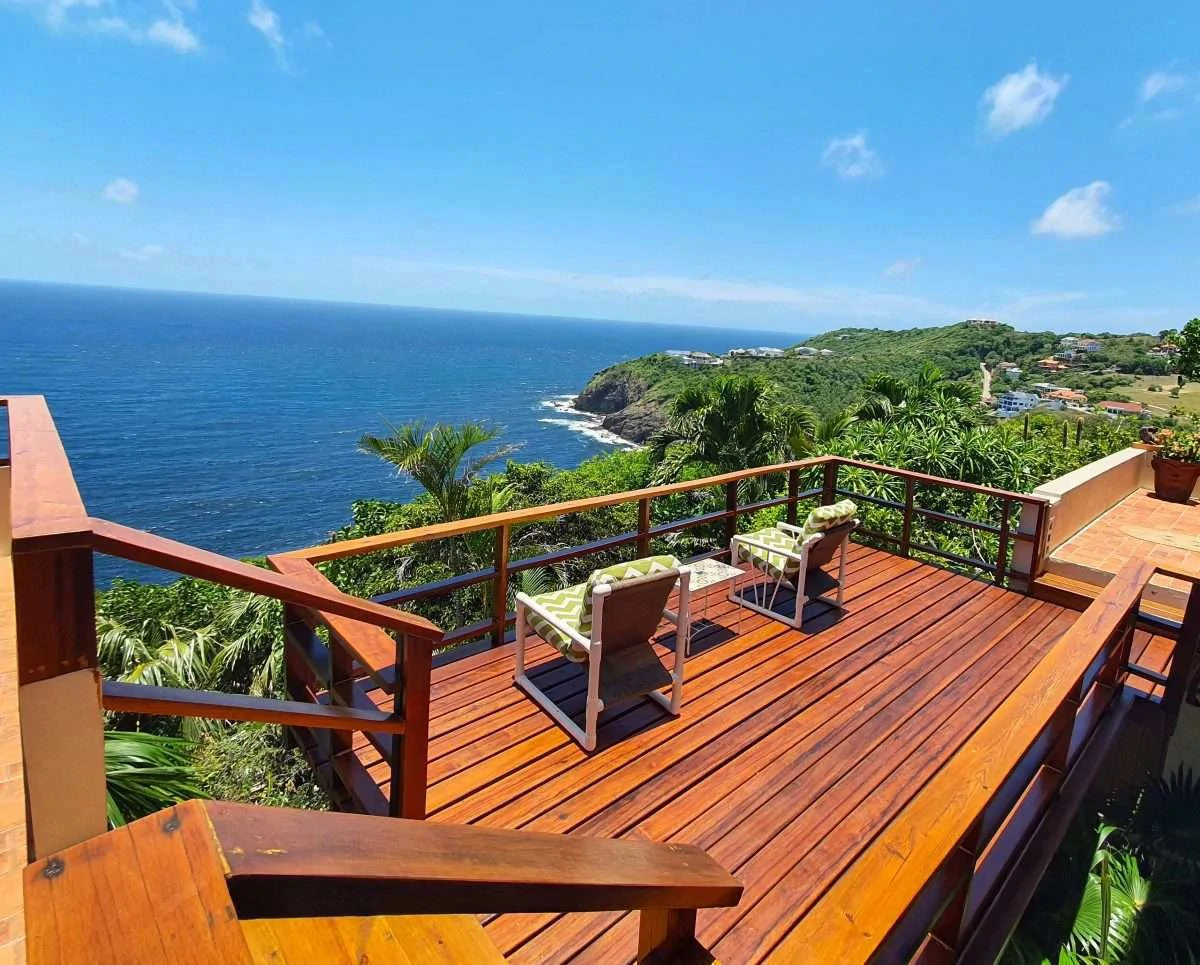
Saint Lucia suits people who value nature, privacy and a slower rhythm more than nightlife and constant activity. It rewards those who settle in: who learn the roads, find a favorite beach bar and get to know their neighbors. Buyers are mainly from the United States, the United Kingdom and Canada, with growing interest from Europe, so you will find a welcoming international community alongside a strong local culture.
It is also a market built on fundamentals rather than fast price spikes, with steady growth supported by tourism, limited prime land and increasing international attention. For many owners, the real return is the life itself.
The best way to decide is to spend time there. Visit in both seasons, stay in the north and the south, and picture an ordinary Tuesday, not just a perfect holiday.
Frequently asked questions
Is Saint Lucia a good place to live?
For people who value natural beauty, privacy and a slower pace, yes. The island combines a strong local culture with established areas for international owners, especially Rodney Bay, Cap Estate, Marigot Bay and Soufriere.
What language is spoken in Saint Lucia?
English is the official language. Saint Lucian Creole, known as Kweyol, is also widely spoken in daily life.
Can foreigners buy a home in Saint Lucia?
Yes. Foreign buyers can own property after obtaining an Alien Landholding License, which a local attorney arranges as part of the purchase. Most transactions close in 60 to 90 days.
Which area of Saint Lucia is best to live in?
Rodney Bay suits those who want convenience and an active social life. Cap Estate offers privacy, golf and larger homes. Marigot Bay is ideal for sailors, and Soufriere is the choice for quiet living with views of the Pitons.
How much does a home in Saint Lucia cost?
The homes featured in this guide range from $495,000 for three-bedroom townhouses in Rodney Bay and Cap Estate to villas from around $1 million and an estate home at $3,250,000. Browse all current listings on the Saint Lucia destination page.
Does Saint Lucia get hurricanes?
Saint Lucia lies within the Atlantic hurricane season, which runs from June 1 to November 30. Owners plan with proper insurance, storm shutters and local property management.