
Real Estate for Sale in Mauritius
Island Paradise with Modern Sophistication
Homes & Properties for Sale in Mauritius
Showing 1–2 of 2 properties across Grand Baie and Tamarin
Mauritius
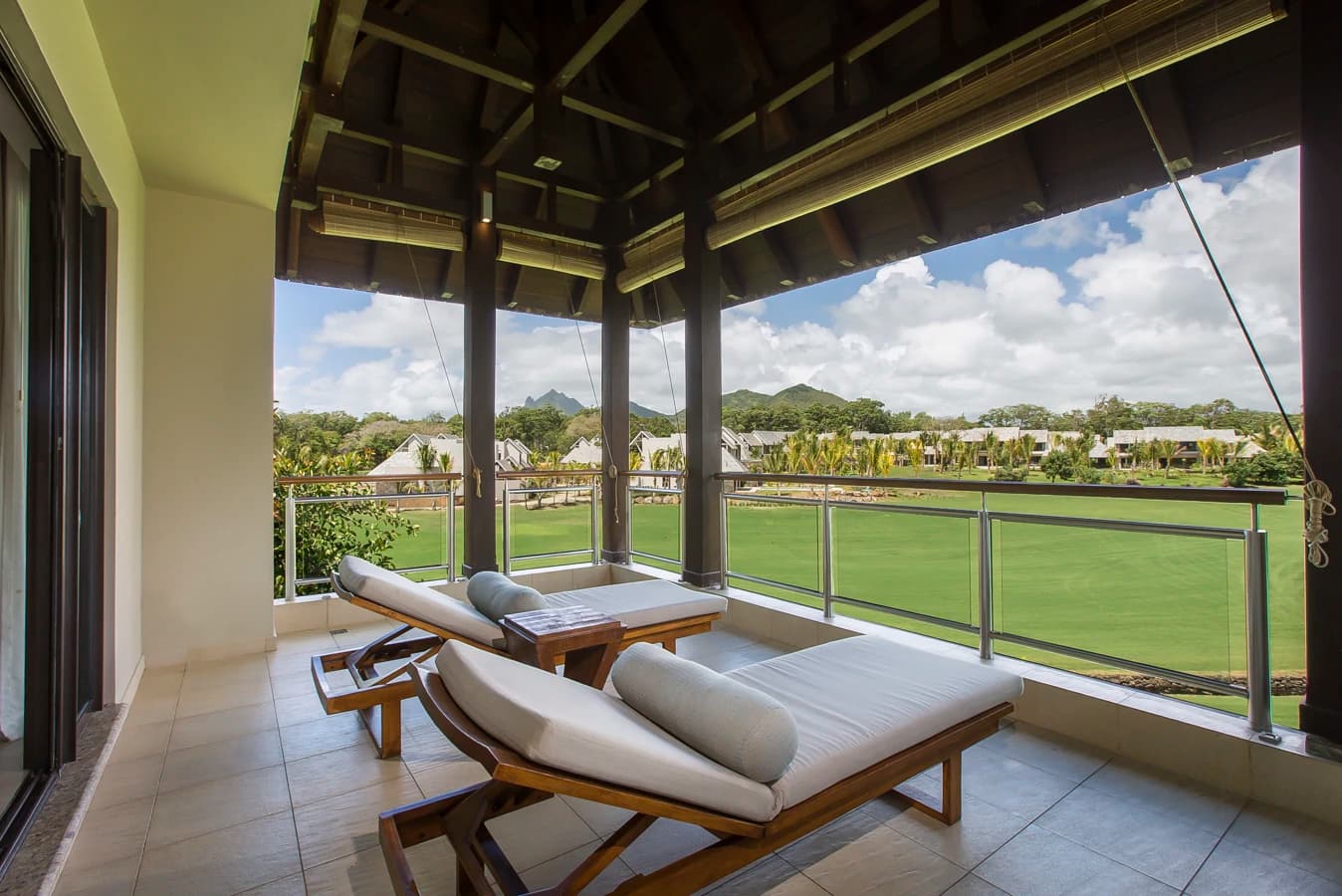
2-3 bedroom penthouse for sale at Anahita Mauritius
Mauritius
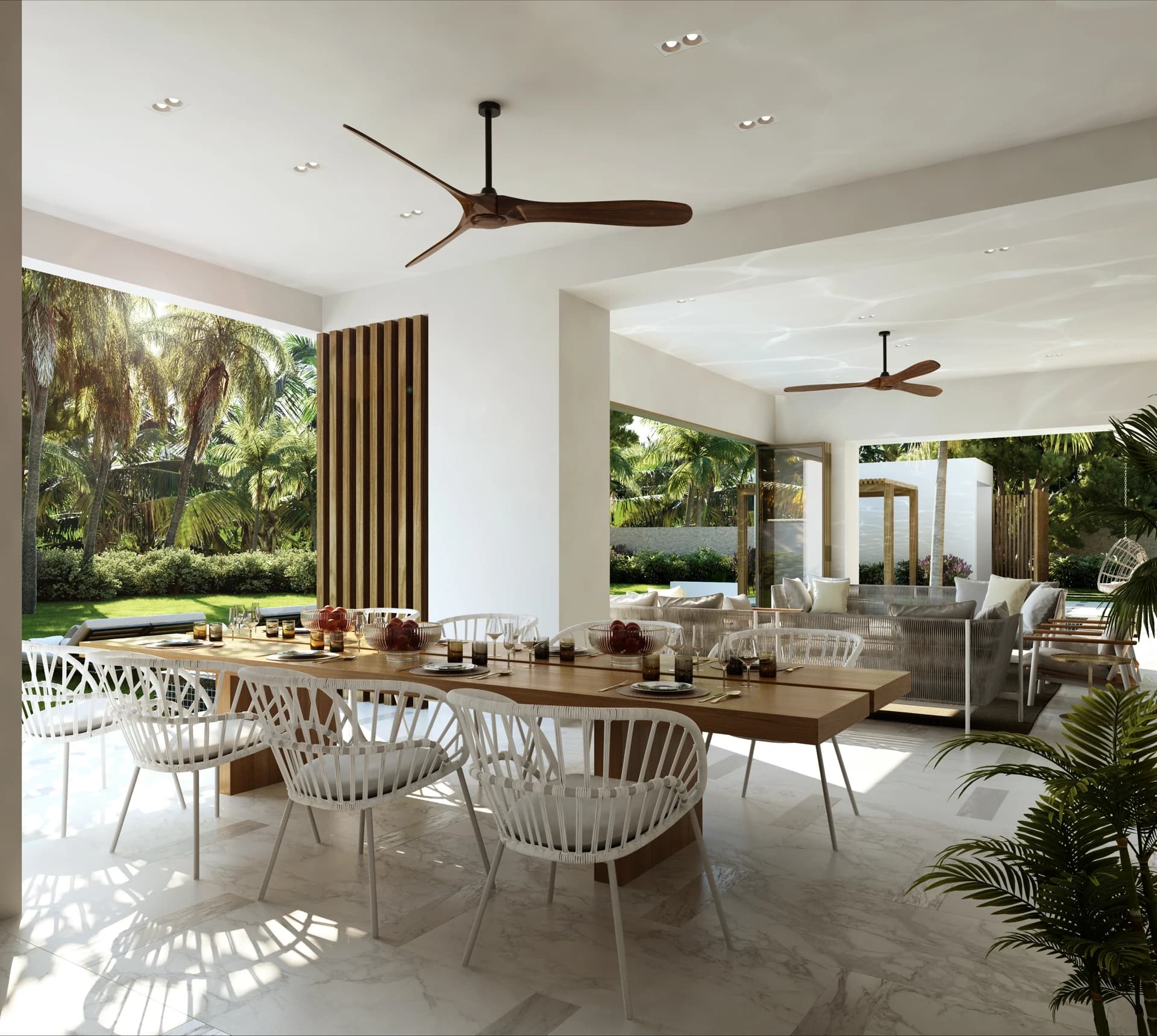
4 bed luxury Private Homes for sale One&Only Le Saint Géran, Mauritius
Filters
Price Range
Bedrooms
Bathrooms
Why Mauritius
Approved schemes, no property tax, and residency at USD 375,000
Market Character
Mauritius has established itself as one of the most attractive lifestyle and investment property markets in the Indian Ocean for international buyers. The appeal is a rare combination: tropical island living, a stable and business-friendly environment, one of the most favorable tax structures in the world, and a residency pathway tied directly to property. For buyers weighing the Indian Ocean or a tax-efficient second base, Mauritius offers a compelling and well-structured proposition.
The market for foreign buyers is organized around government-approved schemes. Rather than buying anywhere on the island, non-citizens purchase within designated developments, the PDS, IRS, RES, and Smart City schemes, or through qualifying apartments in higher-rise buildings. This framework is clear and well established, and it channels international demand into professionally developed resort and residential communities, largely in the north and on the west coast.
The buyer profile is high-end and lifestyle-driven, with a strong second-home, retirement, and investment component. Many buyers are drawn by the tax environment and the residence permit that a qualifying purchase supports, and a significant share are relocating or establishing a base rather than buying purely for holidays. The market is end-user and investor driven, supported by real demand and a steady inflow of foreign residents.
Tourism and a growing community of foreign residents underpin the market. Mauritius is an established premium destination, and the resort developments that dominate the foreign-buyer market benefit from that visitor demand and the island's reputation for stability.
The Investment Case
The investment case in Mauritius rests on its tax environment, the residency pathway, and steady demand from international buyers and residents.
The tax structure is a central part of the appeal. Mauritius has no annual property tax, no capital gains tax on property, and no inheritance tax, and it operates a low, flat income tax. For international buyers, particularly those establishing residency, this combination is one of the most favorable available anywhere and is often the deciding factor.
The residency pathway strengthens the case. A qualifying property purchase at or above USD 375,000 in an approved scheme supports a residence permit for the buyer and immediate family, held while the property is owned. For buyers seeking a tax-efficient base with a straightforward residency route, that link between property and residency is a significant draw.
On income and demand, the resort developments that make up the foreign-buyer market benefit from tourism and rental demand, and many schemes offer managed rental programs that allow owners to generate income without active management. Demand from foreign buyers and relocating residents has been steady, supporting the market.
Mauritius transacts in the Mauritian rupee, though scheme property is frequently priced and paid in part in hard currency. Dollar-denominated buyers should account for currency in the usual way, while noting that the tax and residency benefits are the core of the investment case here.
Foreign Ownership
Foreign ownership in Mauritius is structured around approved schemes, and understanding them is the key to the market. Non-citizens cannot simply buy any property anywhere; they acquire qualifying residential property through designated routes. The main ones are the PDS (Property Development Scheme), the earlier IRS and RES schemes, and residential property within approved Smart City developments. There is also a route to buy apartments in condominium buildings of at least ground plus two floors, subject to a minimum price (currently MUR 6 million), which does not require a standalone villa scheme. A normal house, duplex, or standalone villa does not qualify simply for having multiple levels; it must fall within an approved scheme.
The residency link is central. A qualifying purchase at or above USD 375,000 in an approved scheme supports a residence permit for the buyer and immediate family for as long as the property is held. Purchases below that threshold are permitted within the schemes but do not carry the residency entitlement.
The transaction is handled by a notary, who prepares and registers the deed, and buyers engage legal support for due diligence. Funds are brought in from abroad, with rules on how the consideration is transferred and in what currency. On costs, registration duty applies to the purchase, commonly around 5 percent, though the acting notary confirms the exact rate for the specific deed rather than relying on a fixed figure. Because Mauritius has no annual property tax, ongoing government costs of ownership are minimal, with service and community charges applying within developments.
American owners carry US reporting obligations on foreign property, rental income, and capital gains, and should note that Mauritius's favorable tax treatment does not remove US filing requirements. Cross-border tax advice is part of the process, particularly for buyers using the residency route.
What's on the Market
The Mauritius inventory available through Airdomo reflects the approved schemes and regions where foreign buyers can own, and where Airdomo's local partner network is active.
The north, centered on Grand Baie and the surrounding coast, is the most established foreign-buyer market. It offers resort residences, apartments, and villas within approved schemes, a lively international community, and strong rental demand, making it the natural starting point for many buyers.
The west coast, around Tamarin, Riviere Noire (Black River), and Flic en Flac, is the other major hub. It offers beachfront and near-beach villas and residences in a scenic setting, popular with lifestyle buyers and families, with a growing base of foreign residents.
The central region is home to the Smart City developments, such as those around Moka, which combine residential property with integrated live-work-play master planning, appealing to buyers relocating or establishing a base. The east coast adds premium resort residences in a quieter setting.
Property types across the market include beachfront and resort villas, scheme apartments and penthouses, and Smart City residences, most within managed developments with services and rental programs. Because the ownership route depends on the scheme, matching the buyer's goal, whether lifestyle, rental income, or residency, to the right scheme and price point is the most important early step.
Frequently Asked Questions
What buyers ask about Mauritius
Can foreigners buy property in Mauritius?
Yes, through government-approved routes. Non-citizens acquire qualifying residential property within designated schemes: the PDS, the earlier IRS and RES schemes, and residential property in approved Smart City developments. Foreigners can also buy apartments in condominium buildings of at least ground plus two floors, subject to a minimum price. A standalone villa or house qualifies only if it is within an approved scheme. A notary handles the deed, and legal support is used for due diligence.
Can I get residency in Mauritius by buying property?
Yes. A qualifying property purchase at or above USD 375,000 in an approved scheme supports a residence permit for the buyer and immediate family, held for as long as the property is owned. Purchases below that threshold are allowed within the schemes but do not carry the residency entitlement. Combined with Mauritius's favorable tax structure, this residency route is a major reason international buyers choose the island.
Is Mauritius real estate a good investment?
Mauritius offers one of the most favorable environments available: no annual property tax, no capital gains tax on property, no inheritance tax, and a low flat income tax, alongside a residency pathway tied to property. The resort developments that make up the foreign-buyer market benefit from tourism and rental demand, and many offer managed rental programs. Demand from foreign buyers and relocating residents has been steady, supporting the market. It suits lifestyle, retirement, and tax-efficient relocation buyers.
What taxes and costs apply when buying property in Mauritius?
Registration duty applies to the purchase, commonly around 5 percent, though the acting notary confirms the exact rate for the specific deed. Because Mauritius has no annual property tax, no capital gains tax on property, and no inheritance tax, ongoing government costs of ownership are minimal, with service and community charges applying within developments. Funds are brought in from abroad under specific rules. American buyers should note that these benefits do not remove US filing obligations.
What is the buying process for foreign buyers in Mauritius?
The buyer selects a qualifying property within an approved scheme and engages legal support for due diligence. Funds are transferred from abroad under the applicable currency rules. A notary prepares and registers the deed, and registration duty is paid. Where the purchase meets the USD 375,000 threshold, the residence permit application proceeds on the basis of that qualifying investment. Matching the scheme and price point to the buyer's goal, especially if residency is intended, is the key early step.