
Real Estate for Sale in Italy
Timeless Beauty and Coastal Elegance
Homes & Properties for Sale in Italy
Showing 1–12 of 13 properties across Amalfi Coast and Tuscany

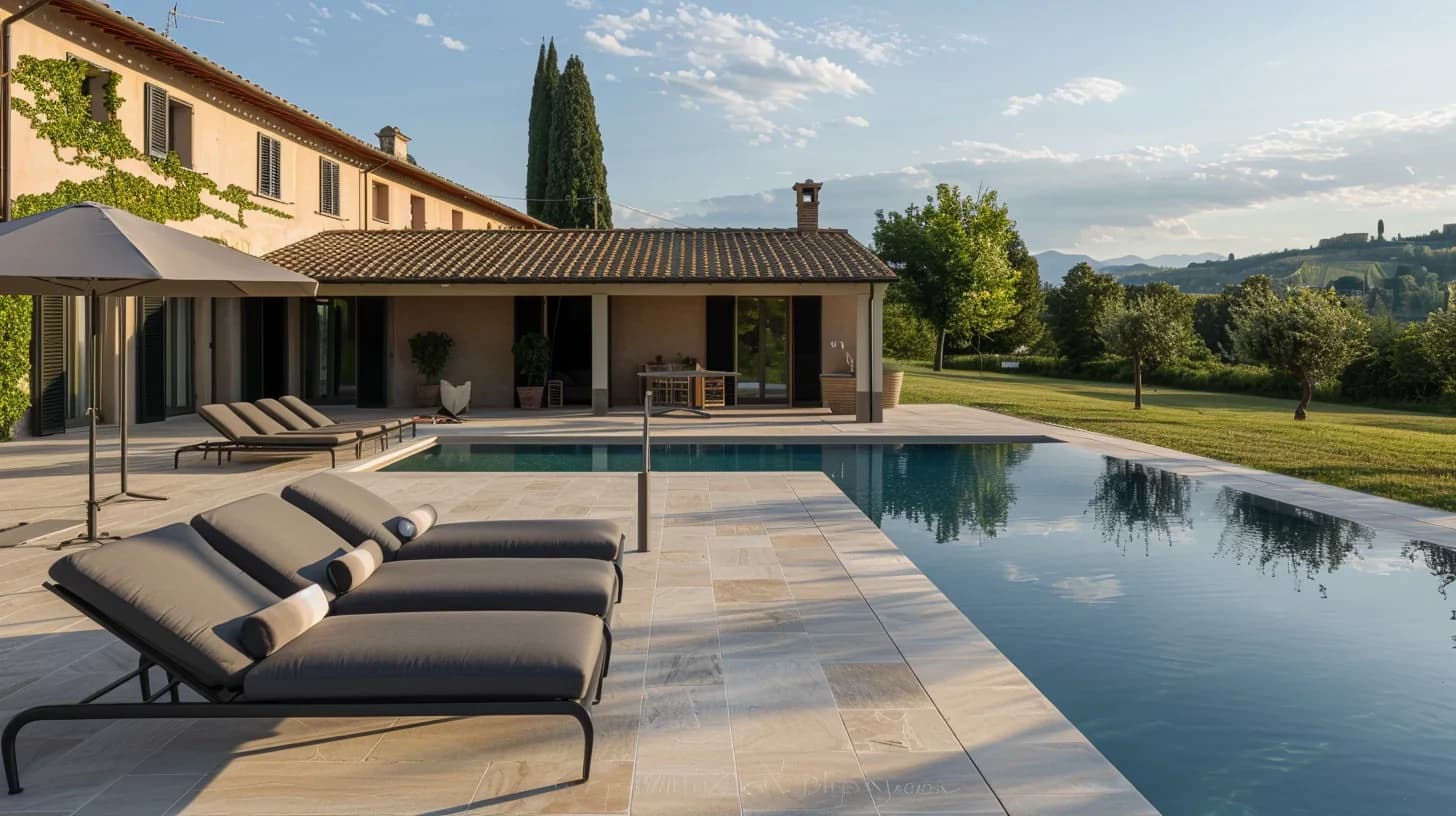
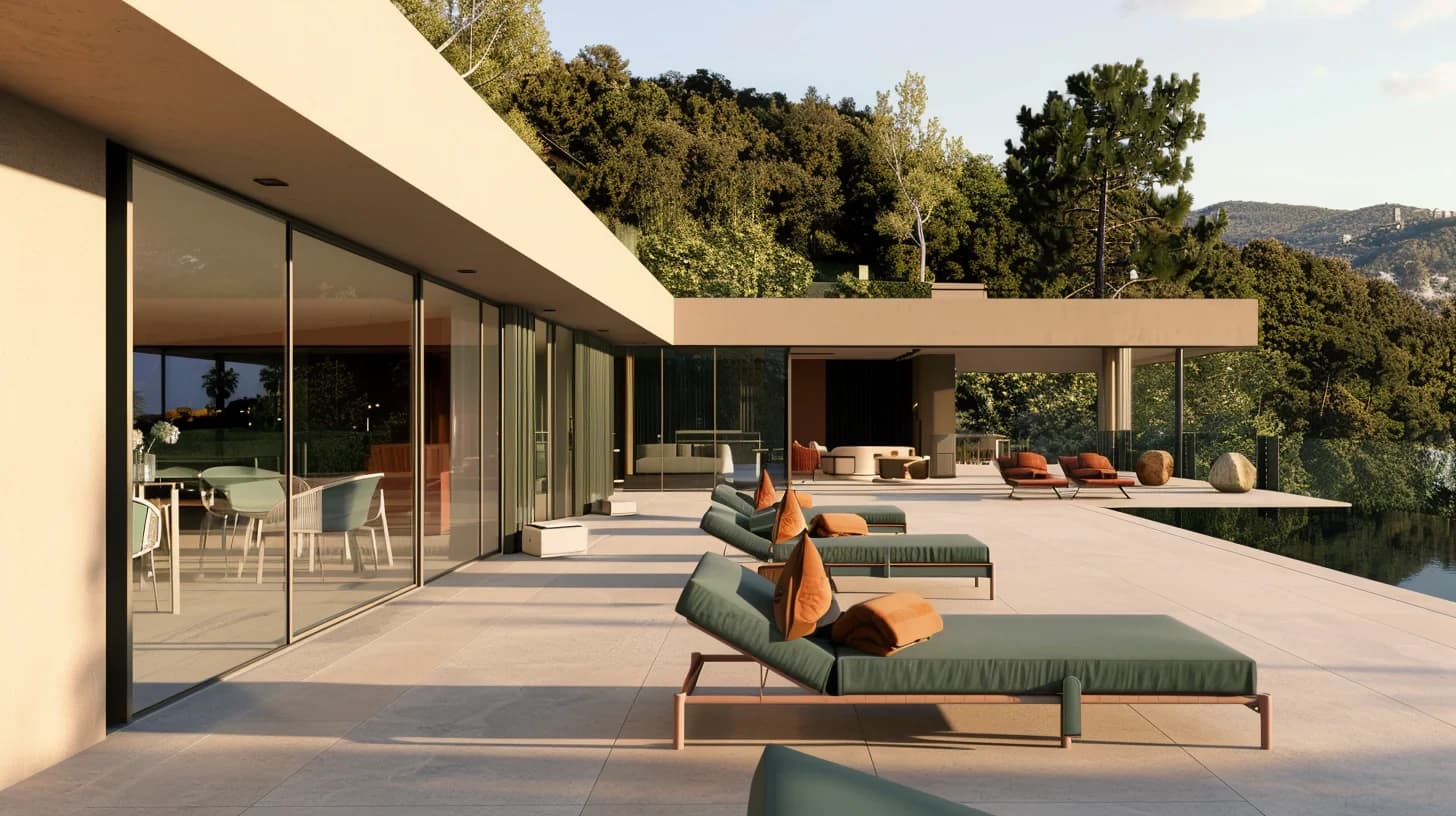

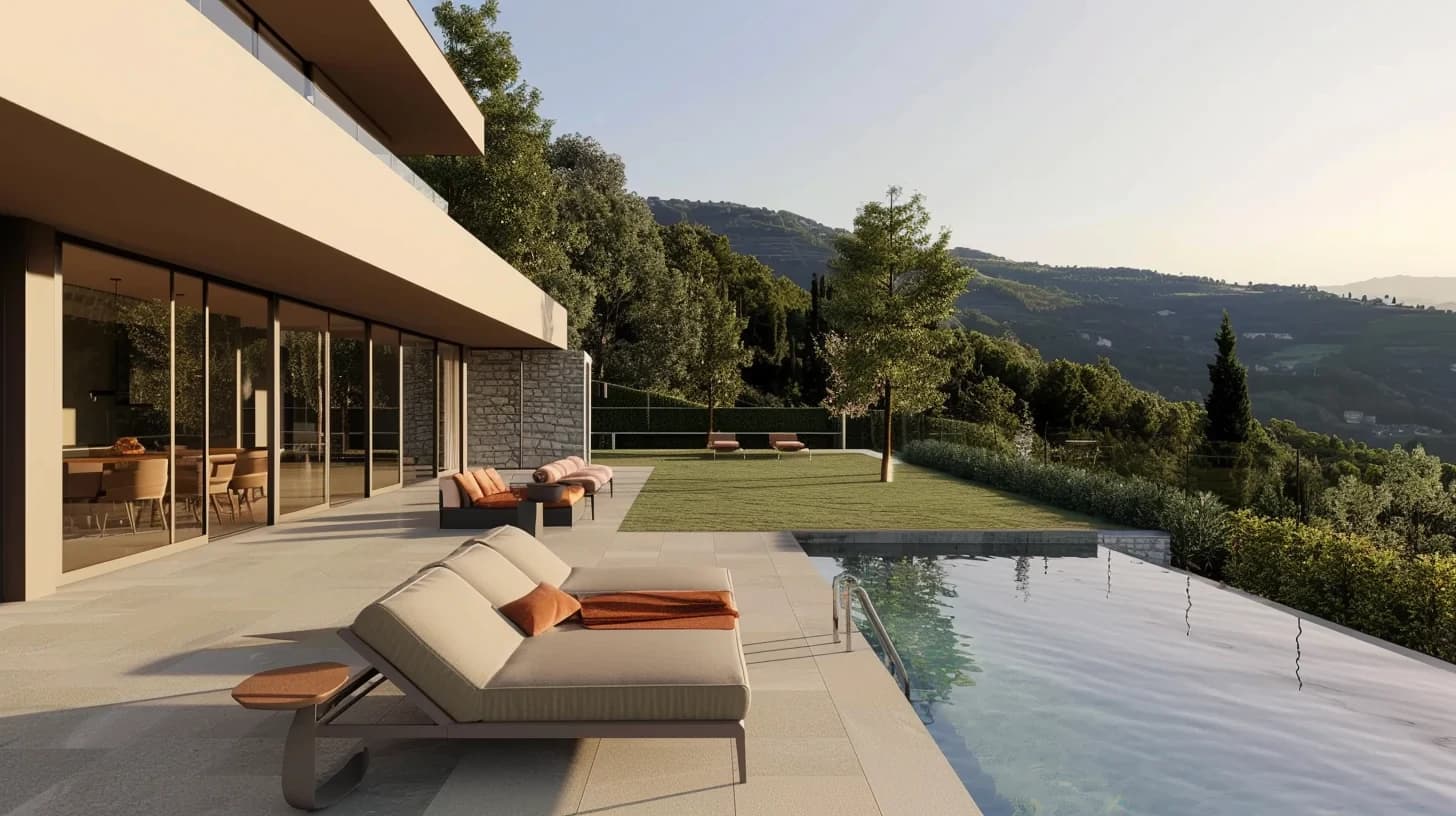
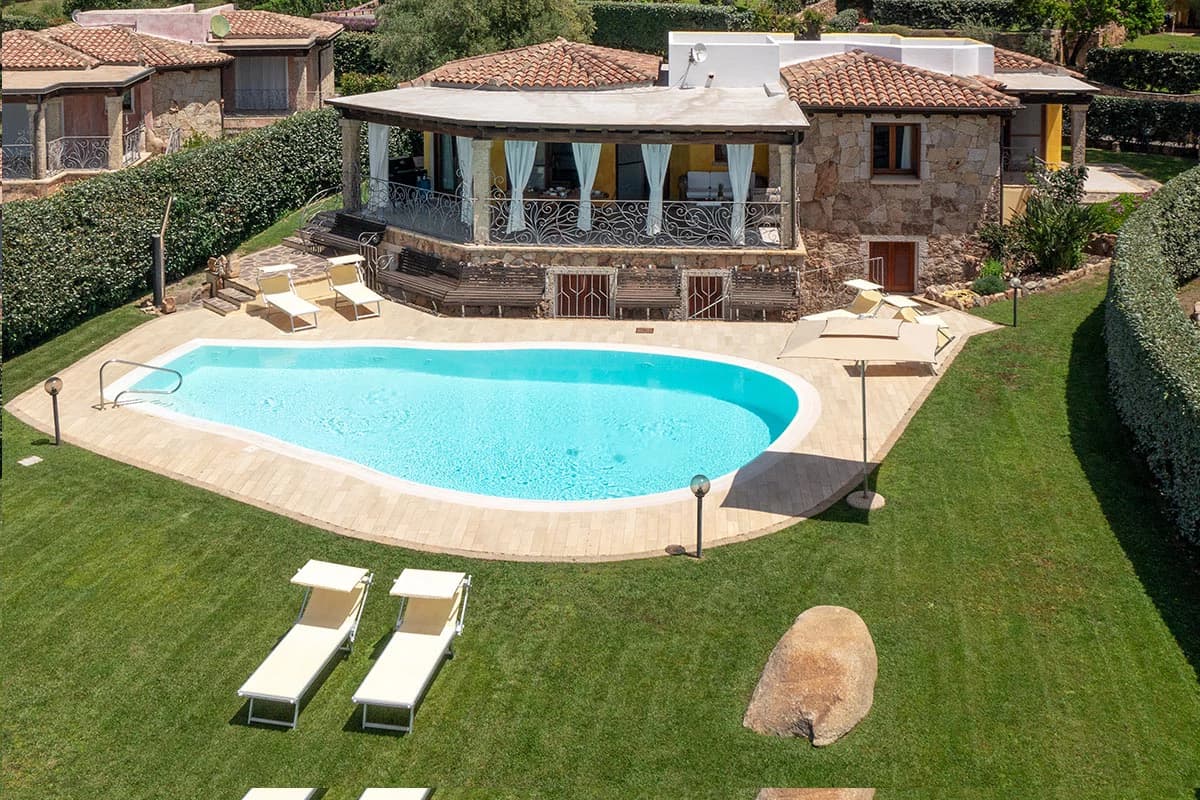
Filters
Price Range
Bedrooms
Bathrooms
Why Italy
A deep resale market where scarcity, not development, sets the floor
Market Character
Italy is one of the most searched international real estate markets among American buyers, and the reasons are not hard to trace. The country offers a legal framework for foreign ownership that is among the most open in Europe, a resale market of genuine depth, and a diversity of property types that no comparable market matches. You can buy a stone farmhouse in the Tuscan hills, a lakefront apartment on Lake Como, a restored trullo in Puglia, or a townhouse in a historic center that has stood for centuries. The common thread is that Italy sells what it already has, rather than what a developer just built. That depth gives buyers real choice and real negotiating room.
Italy is not a single market, and searching it as if it were is the most common mistake international buyers make. The country's regions differ sharply in price, property character, and buyer profile. Tuscany and the Italian Lakes draw the highest international demand and carry the strongest price floors. Puglia and the southern regions offer far lower entry points and a growing restoration market. Liguria, Umbria, and the smaller lake and coastal markets sit in between. What you pay, what you get, and what due diligence looks like all depend on where you buy.
The search pattern from the United States reflects this. The highest-volume queries are country-level and region-level rather than city-specific, which tells you most buyers are still deciding which part of Italy fits their life before they narrow to a property. That makes the research phase longer in Italy than in smaller, more uniform markets, and it makes a local contact who understands what each region actually delivers far more valuable than a listing portal.
The buyer profile is primarily lifestyle-driven. Most international buyers are purchasing a second home, a future retirement base, or a restoration project, often combining personal use with seasonal rental income. The market is end-user driven rather than speculative, which is part of why it has held value through cycles that hit development-heavy markets harder.
The Investment Case
The investment case for Italian residential property rests on three foundations: legal clarity, asset durability, and scarcity in the locations buyers most want.
Italy's property law is codified and enforced, and every transaction is validated by a notaio, a state-appointed official who verifies title and registers the transfer. Ownership registers are public. For buyers who have looked at markets with less formal closing structures, that legal framework is a meaningful protection.
Italian residential property holds value over long cycles because supply in the most desirable areas is genuinely constrained. Tuscany is not building new hill country. The historic centers of Italian towns are protected and cannot be expanded. Lakefront on Como and Garda is finite. Scarcity in the places international buyers most want to be creates a floor that development-driven markets cannot offer, and it is why prime Italian property has been resilient through downturns.
The currency dimension matters in both directions. When the US dollar is strong against the euro, an Italy purchase in dollar terms is materially cheaper than it would be at parity, and buyers who understand this watch the spread and time their search accordingly. The flip side is that rental income and eventual resale proceeds come back in euros, so buyers who intend to hold and exit should factor currency exposure into their return model from the outset.
Rental income plays a supporting role rather than a leading one in most Italian purchases. Seasonal demand is strong in the tourist regions, and a well-located property can cover a meaningful share of its carrying cost through short-term letting. But short-term rental rules vary by region and municipality, and buyers who intend to rent should confirm local licensing before committing. Most owners combine personal use with seasonal income, creating a balanced holding rather than a pure yield play.
Foreign Ownership
Americans can buy property in Italy without restriction. Italy and the United States hold a bilateral reciprocity agreement, which grants US citizens the same ownership rights as Italian nationals. There is no cap on foreign ownership, no requirement to form an Italian company for a personal-use purchase, and no restriction on property type: residential homes, land, and commercial units are all open to foreign buyers.
The transaction runs through the notaio, a government-appointed official who is legally neutral. The notaio verifies title, prepares and registers the final deed, and collects the transfer taxes, but does not represent either the buyer or the seller. For that reason, most international buyers engage independent legal counsel to handle due diligence on their behalf. Before making an offer, a foreign buyer must obtain a codice fiscale, the Italian tax identification number required for any property transaction.
The process is structured and predictable. After terms are agreed, the buyer signs a preliminary contract, the compromesso, and pays a deposit typically between 10 and 20 percent, held pending closing. The transaction then completes at the final deed, the rogito, signed before the notaio with the balance paid. Most purchases complete within two to four months, and buyers who cannot attend in person can complete through a power of attorney.
Total acquisition costs run approximately 10 to 15 percent above the purchase price, depending on the property and region. The main components are registration tax, charged at 2 percent of the cadastral value for a primary residence and 9 percent for a second home (new builds from a developer are subject to VAT instead, at 4, 10, or 22 percent depending on category); fixed cadastral and mortgage taxes; notary fees of roughly 1 to 2 percent; and agent commission. Second-home owners also pay IMU, Italy's annual municipal property tax, set locally between roughly 0.4 and 1.06 percent of cadastral value.
Buying property does not grant residency, but ownership supports an application for Italy's Elective Residence Visa by satisfying the accommodation requirement, and that visa is a common path for financially independent buyers who intend to spend extended time in the country. American owners also carry US reporting obligations, including IRS reporting of rental income and capital gains, with the US-Italy tax treaty in place to limit double taxation. An accountant familiar with expat rules is part of the transaction cost, not an optional extra.
What's on the Market
The Italy inventory available through Airdomo reflects the regions where international buyer demand is strongest and where Airdomo's local partner network is active.
Tuscany is the anchor of the market. Demand here centers on stone farmhouses and restored country homes in the Chianti hills, the Val d'Orcia, and the countryside around Lucca and Siena, along with apartments and townhouses in the historic centers. It is the region with the deepest international buyer base and the strongest price floor.
The Italian Lakes are the second major cluster. Lake Como, Lake Garda, and Lake Maggiore offer lakefront apartments, period villas, and residences with the water views that drive premium pricing. This is lifestyle inventory with strong seasonal rental demand and high liquidity on resale.
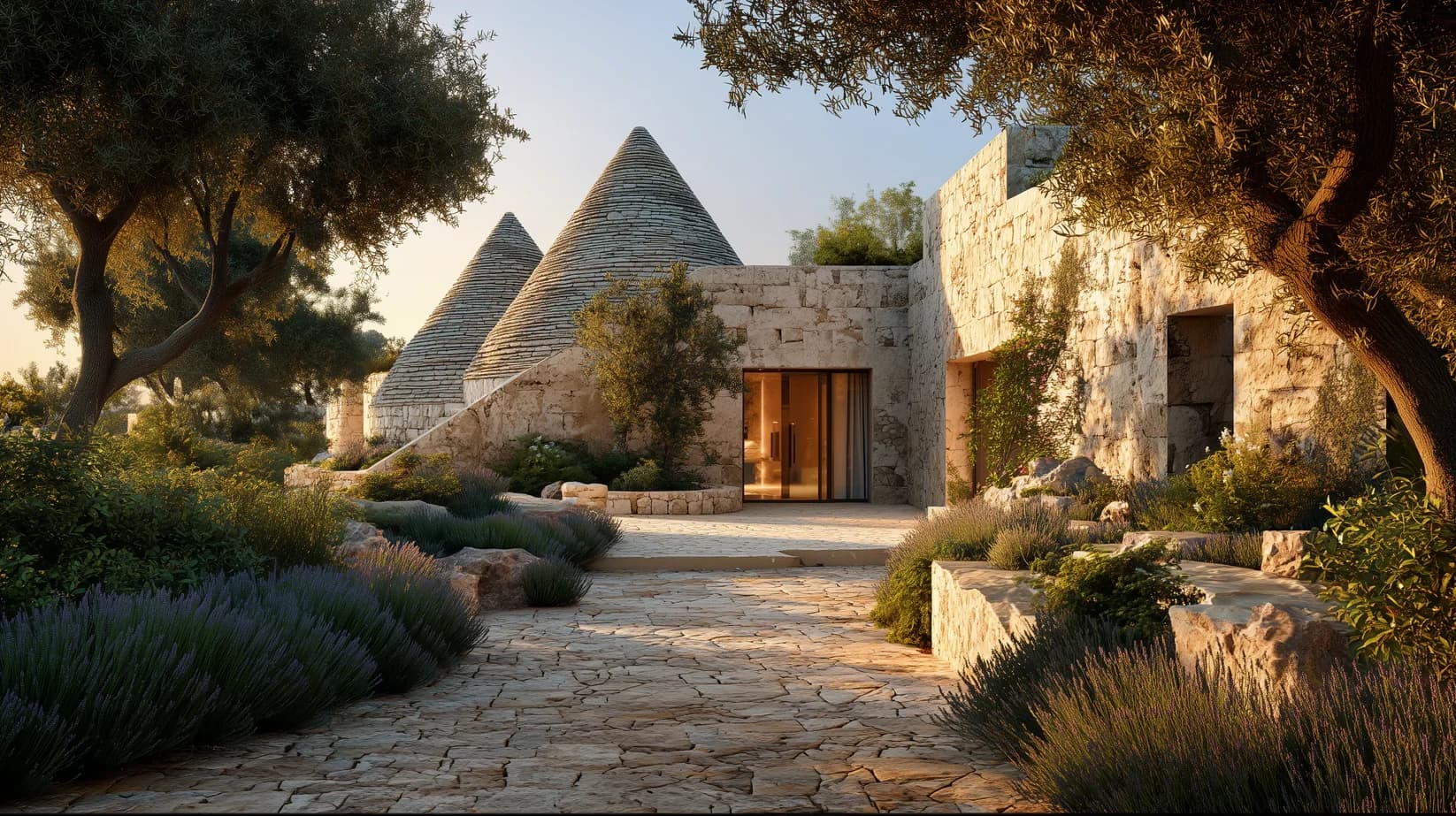
Puglia and the south represent the value end of the market. Trulli, masserie, and coastal homes across the Salento offer far lower entry points and a large restoration opportunity for buyers willing to take on a project. Liguria and the Italian Riviera, along with Umbria's hill towns, round out the inventory with a mix of coastal and countryside property.
Property types across the market include country farmhouses, historic-center townhouses, lakefront and coastal apartments, period villas, and restoration projects. Inventory is shaped by geography and heritage protection, which constrains new supply and supports long-term value in the strongest locations.
Frequently Asked Questions
What buyers ask about Italy
Can foreigners buy property in Italy?
Yes. Americans and most other foreign nationals can buy and own property in Italy without restriction. Italy and the United States hold a bilateral reciprocity agreement that gives US citizens the same ownership rights as Italian nationals, with no cap on foreign ownership and no requirement to form a company for a personal-use purchase. Buyers need an Italian tax identification number, the codice fiscale, before completing a transaction. Ownership is registered by a state-appointed notaio, which provides clear and secure title.
Is Italian real estate a good investment?
Italy is best understood as a long-term, lifestyle-driven market rather than a pure yield play. Value is supported by genuinely constrained supply in the most desirable regions, a deep resale market, and strong protection of historic and rural land that limits new construction. Prime areas such as Tuscany and the Italian Lakes have held value through cycles that hit development-heavy markets harder. Seasonal rental income can offset carrying costs in the tourist regions, though most buyers combine personal use with income rather than buying for yield alone.
What taxes and costs apply when buying property in Italy?
Total acquisition costs typically run 10 to 15 percent above the purchase price. The largest component is registration tax, charged at 2 percent of cadastral value for a primary residence and 9 percent for a second home, with VAT applying instead on new builds bought from a developer. Notary fees of roughly 1 to 2 percent, fixed cadastral and mortgage taxes, and agent commission make up the balance. Second-home owners then pay IMU, the annual municipal property tax, set locally between roughly 0.4 and 1.06 percent of cadastral value.
What is the buying process for foreign buyers in Italy?
The process begins with agreeing terms and obtaining a codice fiscale. The buyer then signs a preliminary contract, the compromesso, and pays a deposit of typically 10 to 20 percent, held until closing. Independent legal counsel conducts due diligence while the notaio verifies title. The transaction completes at the final deed, the rogito, signed before the notaio with the balance paid. Most purchases complete within two to four months, and buyers who cannot travel can complete through a power of attorney.
Does buying property in Italy grant residency?
No. Buying property does not automatically grant residency in Italy. However, owning a home satisfies the accommodation requirement for Italy's Elective Residence Visa, a common route for financially independent buyers who plan to spend extended time in the country, provided they meet the separate income requirements. Italian citizenship is a longer path that requires continuous legal residence and language proficiency, and property ownership alone is not sufficient.