
Real Estate for Sale in Greece
Mediterranean Paradise with Ancient Heritage
Homes & Properties for Sale in Greece
Showing 1–6 of 6 properties across Mykonos and Santorini
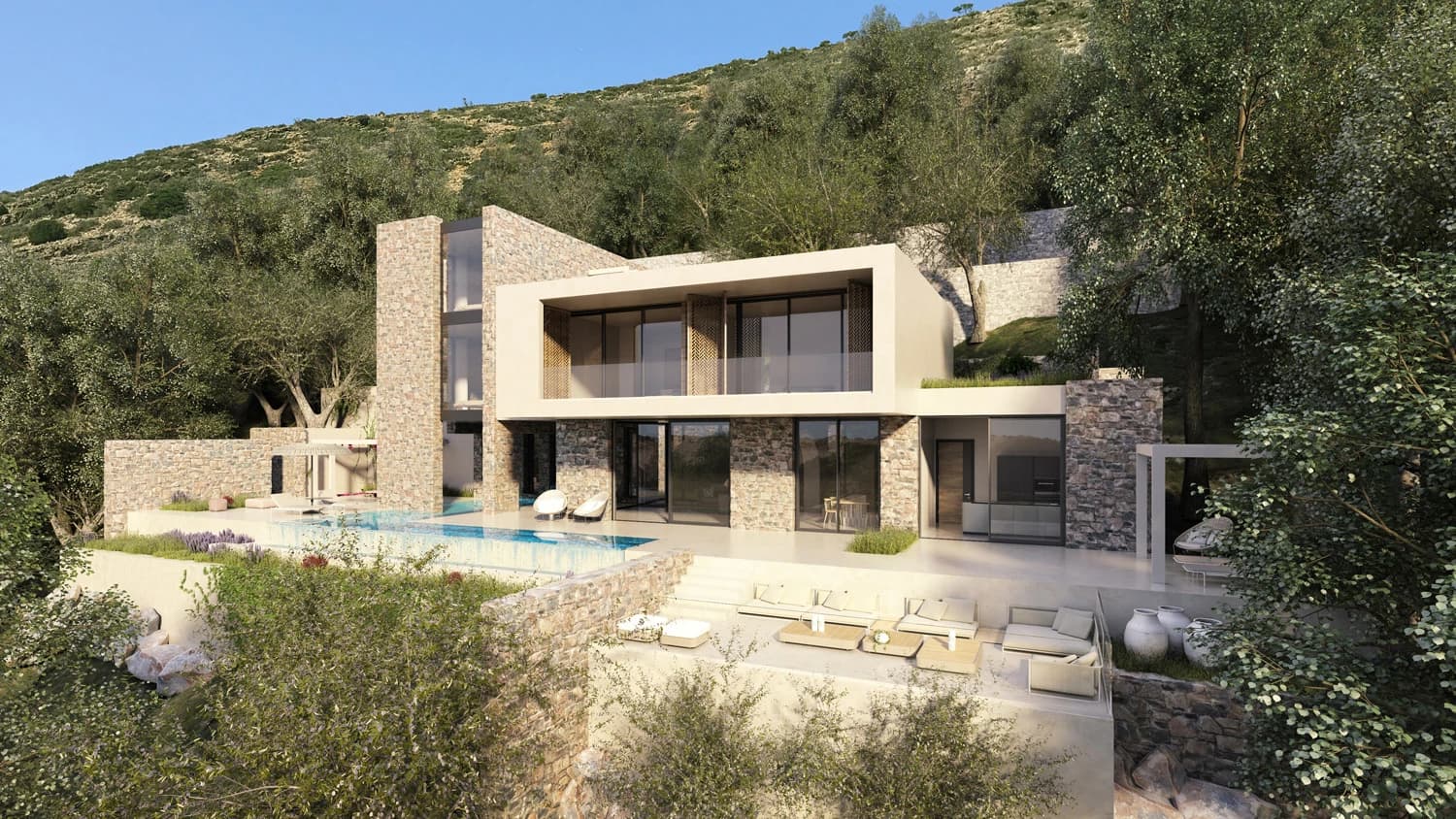
Greece
3 and 4-bed branded Mirabello Villas for sale at Elounda Hills, Crete
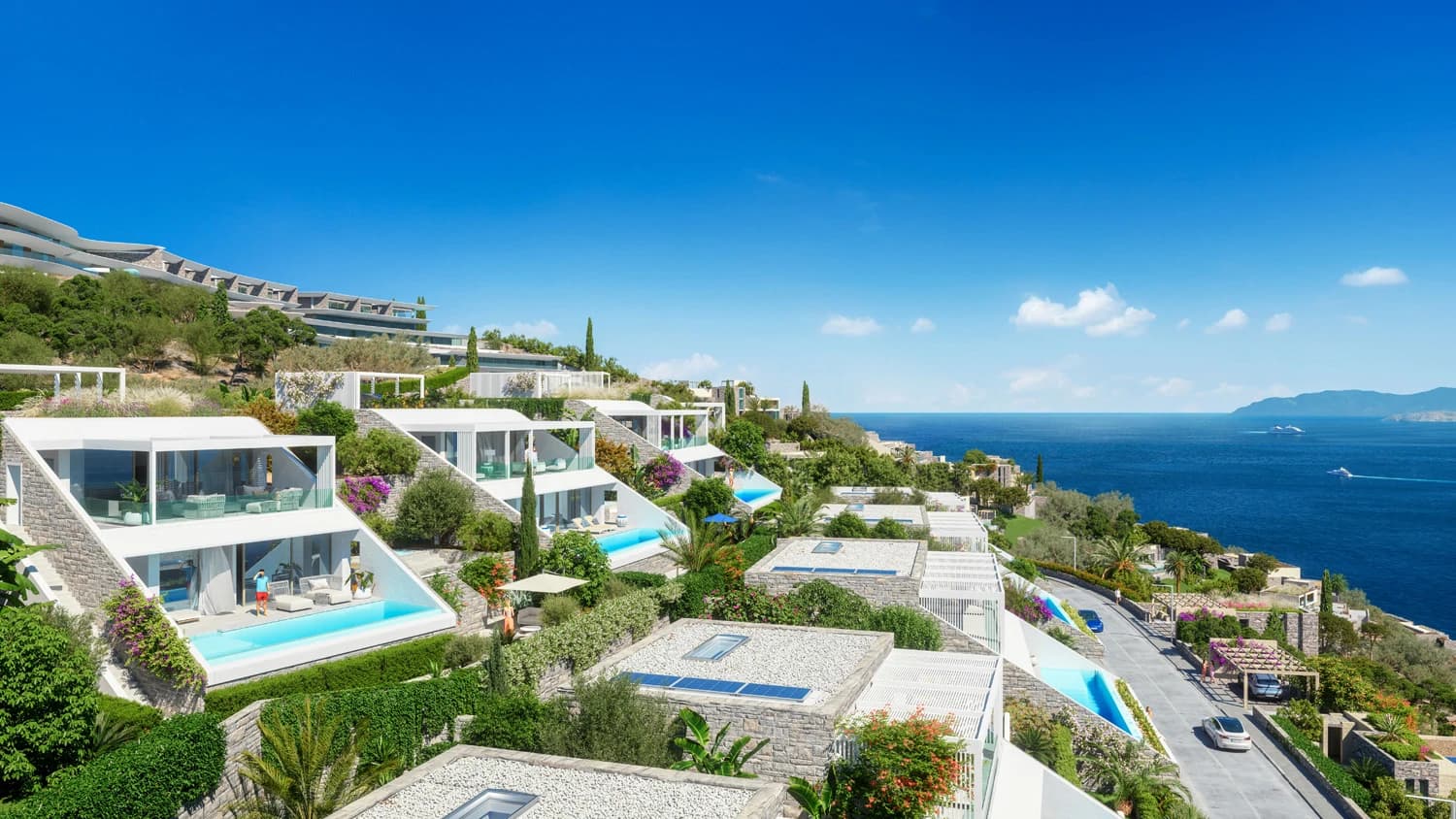
Greece
2 and 3-bed branded Terrace Duplex Villas for sale at Elounda Hills, Crete
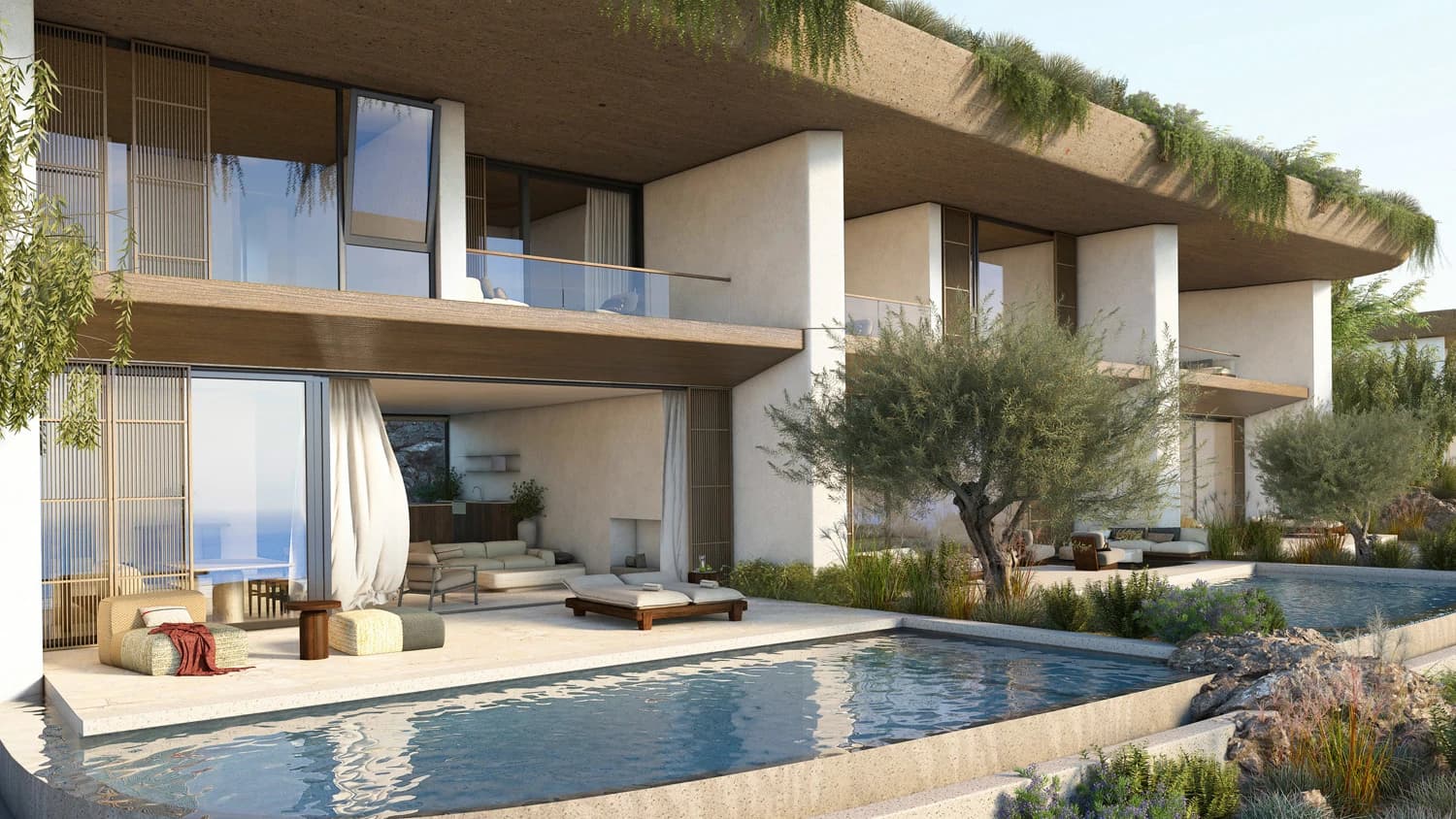
Greece
1 and 2-bed branded Hill Top Apartments for sale at Elounda Hills, Crete
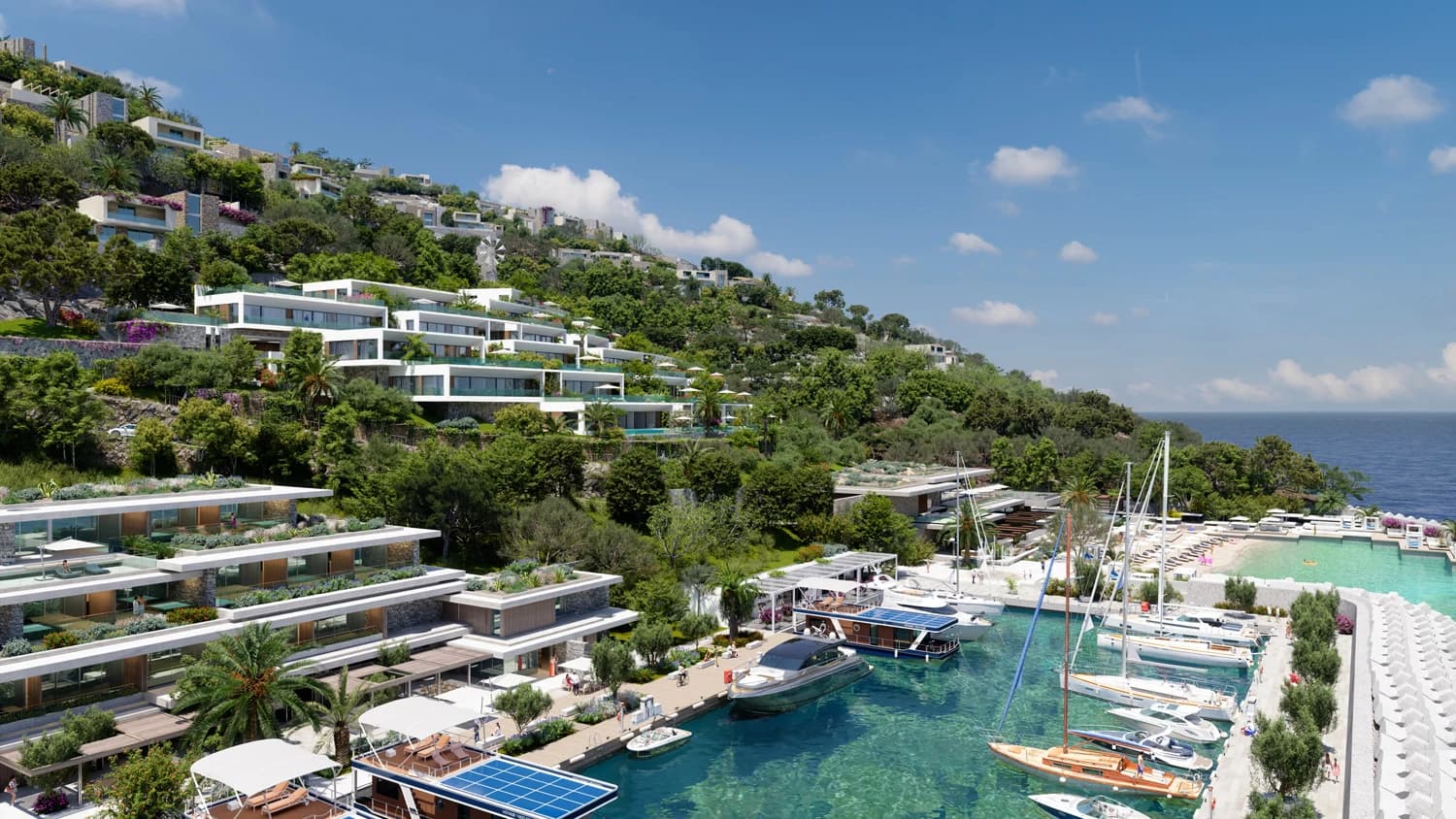
Greece
2 and 3-bed branded Marina Apartments for sale at Elounda Hills, Crete
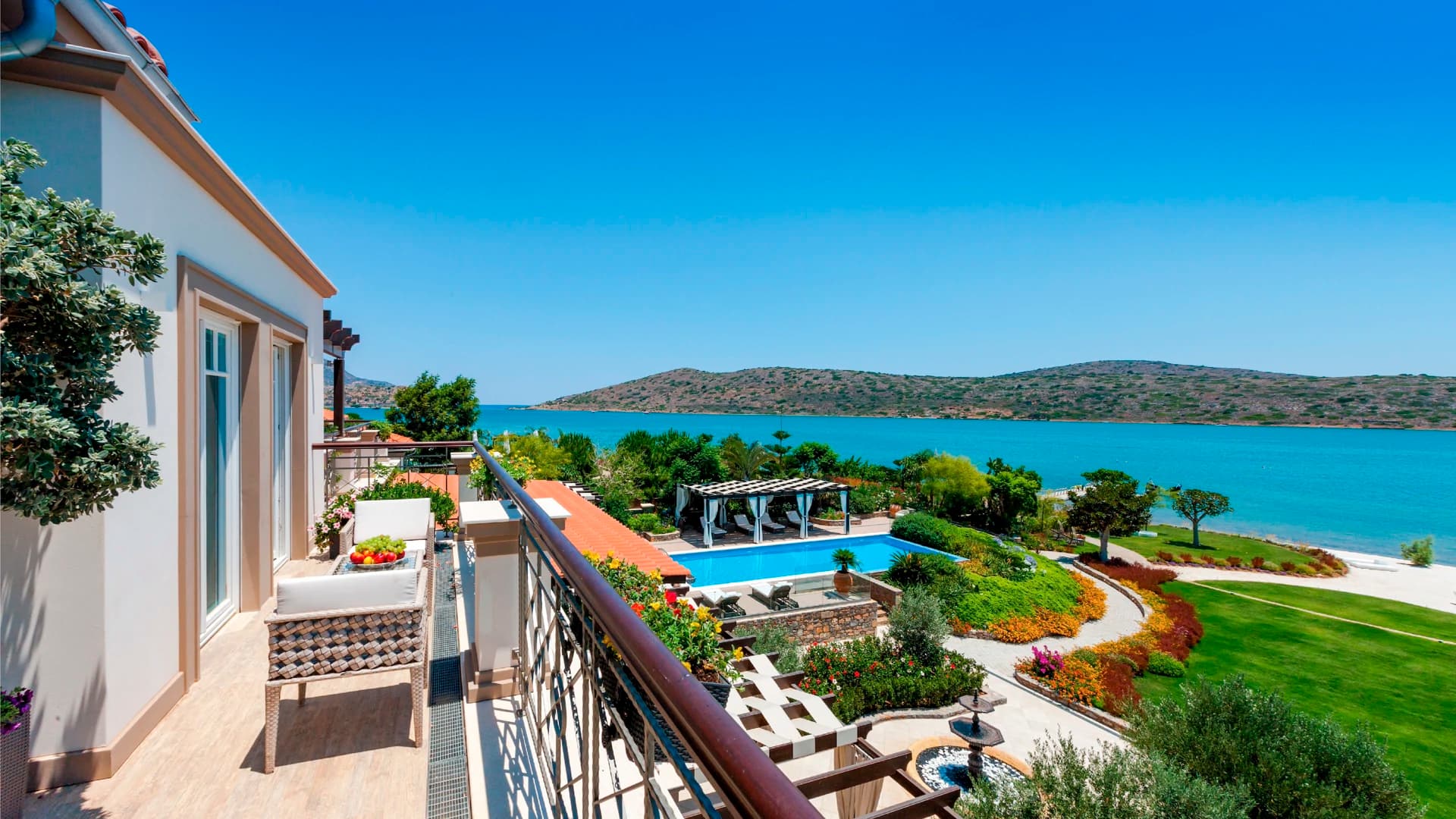
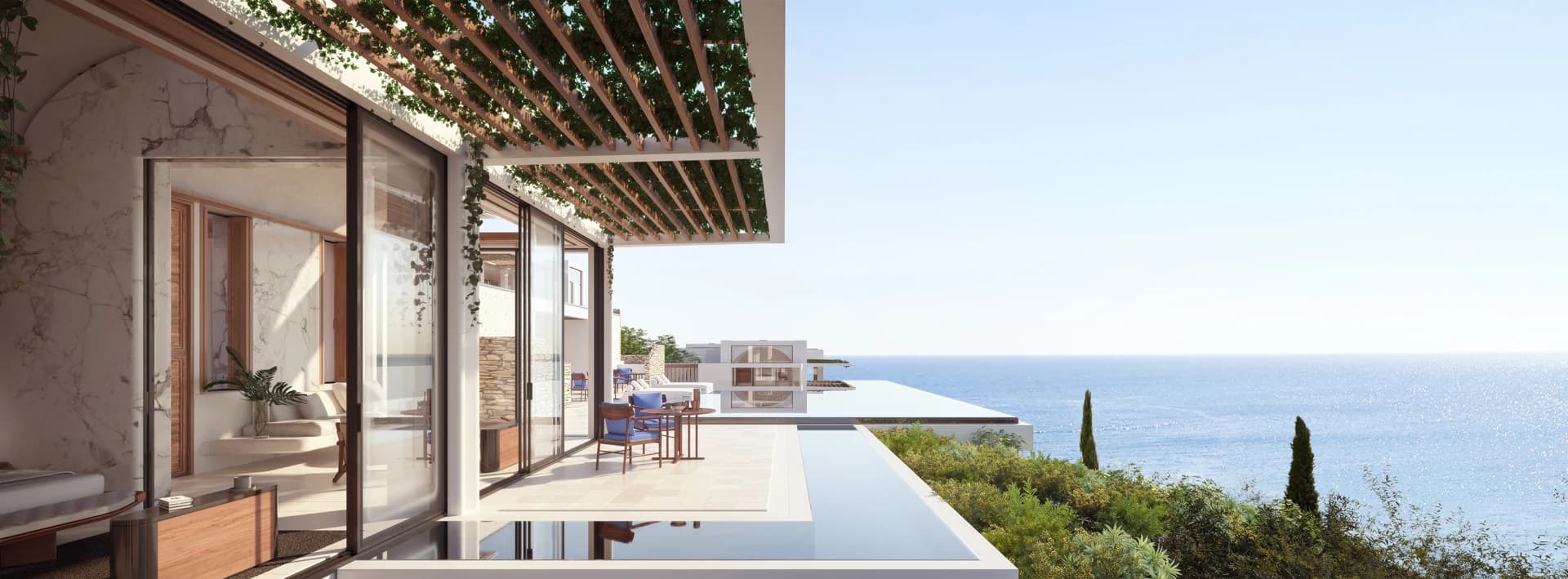
Greece
2 to 6 bed bespoke branded private homes for sale at the One&Only Kea Island
Filters
Price Range
Bedrooms
Bathrooms
Why Greece
Accessible Mediterranean pricing with a residency pathway attached
Market Character
Greece has become one of the most active international real estate markets in the Mediterranean, and demand from American buyers has grown sharply over the past few years. The appeal is a combination that few markets offer at the same time: island and coastal property with genuine lifestyle value, prices that remain accessible relative to comparable Mediterranean coastlines, and a residency-by-investment program that gives non-EU buyers a direct reason to purchase.
Greece is not a single market. The Athens Riviera behaves differently from the Cyclades, and Crete differs again from the Ionian islands and the northern coast. Athens and its southern coastline are an urban and suburban market with year-round demand and the deepest rental pool. The islands are seasonal, lifestyle-led, and priced on views and proximity to the water. The mainland regions, from the Peloponnese to Halkidiki, sit in between and offer the strongest value. Where you buy shapes the price, the property type, and how the home is likely to be used.
The buyer profile is a mix of lifestyle purchasers and investors, and the two often overlap. Many international buyers are drawn first by the Golden Visa, then choose a property they also intend to use or rent. Others are second-home and retirement buyers focused purely on lifestyle. The market is end-user and investor driven rather than speculative, supported by real tourism demand and a recovery that has been steady rather than overheated.
Tourism is the engine underneath the market. Greek islands rank among the most visited destinations in the Mediterranean, and visitor numbers continue to support both property demand and rental performance, particularly in the Cyclades and on Crete.
The Investment Case
The investment case in Greece rests on three pillars: accessible pricing, real rental demand, and the residency pathway that sets it apart from most European markets.
On price, Greece remains competitive against comparable Mediterranean coastlines. The market absorbed a deep correction during the country's financial crisis and has been recovering on organic demand since, without the speculative excess that preceded the last downturn. That gives buyers an entry point that is still reasonable by regional standards, particularly outside the most premium islands.
On income, the rental case is strong in the right locations. Short-term holiday rental demand is well established across the Cyclades, on Crete, and along the Athens Riviera, and it supports meaningful seasonal yields for owners who choose to let. Athens also carries year-round long-term rental demand driven by a large resident and student population, which the islands do not.
The third pillar is the Golden Visa. Greece grants a five-year renewable residence permit to non-EU buyers who invest at defined property thresholds, with visa-free travel across the Schengen area and no minimum-stay requirement. For many American buyers, this residency option is the deciding factor, and it channels a large share of demand toward properties that meet the qualifying thresholds.
The currency dimension applies here as in any euro market. When the dollar is strong against the euro, a Greece purchase is cheaper in dollar terms, while rental income and resale proceeds return in euros. Buyers who intend to hold and exit should build currency exposure into their return model.
Foreign Ownership
Foreign buyers, including Americans, can purchase property in Greece with the same ownership rights as Greek nationals. There is no cap on foreign ownership and no requirement for a local partner. The one qualification is that properties in designated border and military-sensitive zones may require clearance for non-EU buyers, which a local lawyer confirms early in the process. Most mainstream markets are unaffected.
Every foreign buyer needs a Greek tax registration number, the AFM, before completing a transaction. The purchase itself involves two professionals with distinct roles: an independent lawyer, who conducts due diligence, verifies clean title, and checks for debts or planning issues; and a notary, a public official who prepares and executes the final deed. Because the notary is neutral, the lawyer is the buyer's protection, and engaging one is standard practice rather than optional.
The process is straightforward. After terms are agreed, the buyer reserves the property, typically with a deposit around 10 percent, while the lawyer completes due diligence. The transaction then closes at the notary with the final deed and the balance paid. Buyers who cannot attend can complete through a power of attorney.
Total transaction costs generally run about 6 to 10 percent above the purchase price. Resale properties carry a transfer tax of approximately 3.09 percent. New-build property has historically been subject to 24 percent VAT, though a government suspension has applied to new builds and buyers should confirm the current position, as it materially changes the cost. On top of the transfer tax sit notary fees of roughly 1 percent, land registry and cadastre fees, legal fees, and agent commission. Once owned, property is subject to ENFIA, Greece's annual property tax, calculated on the size, location, and characteristics of the property and generally modest relative to its value.
American owners carry US reporting obligations on foreign rental income and capital gains, and the relevant tax treaty and expat filing rules apply. As with any overseas purchase, an accountant familiar with cross-border rules is part of the cost of ownership.
What's on the Market
The Greece inventory available through Airdomo reflects the regions where international buyer demand is strongest and where Airdomo's local partner network is active.
The Athens Riviera is the year-round market. The southern coastline running through Glyfada, Voula, and Vouliagmeni offers modern apartments, coastal residences, and the strongest combination of lifestyle and rental depth in the country. It is also the focus of much Golden Visa activity given the value of property along this stretch.
The Cyclades are the premium island market. Mykonos, Paros, Naxos, and Santorini offer villas and homes priced on views, proximity to the sea, and rental performance during a long tourist season. This is lifestyle inventory with strong holiday-let demand and high recognition among international buyers.
Crete offers scale and value. As the largest Greek island, it carries a broad range of property from coastal villas around Chania and Heraklion to inland homes, with a year-round community and lower entry points than the Cyclades. The Ionian islands, led by Corfu, and mainland regions such as the Peloponnese and Halkidiki round out the market with a mix of coastal and village property.
Property types across the market include island villas, coastal and city apartments, traditional stone homes, and new-build residences. Inventory and pricing vary widely by region, which is why matching the location to the buyer's goal, whether that is lifestyle, rental income, or Golden Visa qualification, is the most important early step.
Frequently Asked Questions
What buyers ask about Greece
Can foreigners buy property in Greece?
Yes. Foreign buyers, including Americans, can purchase and own property in Greece with the same rights as Greek nationals. There is no cap on foreign ownership and no requirement for a local partner. The only qualification is that properties in designated border or military-sensitive zones may require clearance for non-EU buyers, which a local lawyer confirms early; most mainstream markets are unaffected. Every buyer needs a Greek tax number, the AFM, to complete a purchase.
Is Greek real estate a good investment?
Greece offers a strong combination of accessible pricing, real rental demand, and a residency pathway that few European markets match. Prices recovered on organic demand after the country's financial crisis rather than through speculation, keeping entry points reasonable by Mediterranean standards. Short-term rental demand is well established in the Cyclades, on Crete, and along the Athens Riviera, and Athens adds year-round long-term demand. For non-EU buyers, the Golden Visa is often the deciding factor.
What is the Greece Golden Visa and how does it work?
The Golden Visa is Greece's residency-by-investment program. A qualifying property purchase grants a five-year renewable residence permit with visa-free travel across the Schengen area and no minimum-stay requirement. The investment thresholds depend on location and property type: EUR 800,000 for properties of at least 120 square meters in higher-density areas such as Athens, Thessaloniki, Mykonos, and Santorini; EUR 400,000 for qualifying properties in lower-density areas; and EUR 250,000 for residential units created by converting commercial buildings. Thresholds change periodically, so confirm the current rules before committing.
What taxes and costs apply when buying property in Greece?
Total transaction costs generally run 6 to 10 percent above the purchase price. Resale properties carry a transfer tax of about 3.09 percent. New builds have historically been subject to 24 percent VAT, though a suspension has applied and buyers should confirm the current position. Notary fees of roughly 1 percent, land registry and cadastre fees, legal fees, and agent commission make up the rest. Owners then pay ENFIA, the annual property tax, which is based on the property's size and location and is generally modest relative to its value.
What is the buying process for foreign buyers in Greece?
The buyer first obtains an AFM tax number and engages an independent lawyer. After terms are agreed, the property is reserved, typically with a deposit around 10 percent, while the lawyer verifies clean title and checks for debts or planning issues. A notary then prepares and executes the final deed, at which point the balance is paid and ownership transfers. Buyers who cannot attend in person can complete the purchase through a power of attorney.