Luxury Real Estate for Sale in the Bahamas
Luxury Island Living with Financial Advantages
Homes & Properties for Sale in the Bahamas
Showing 1–10 of 10 properties across Paradise Island and Exuma Cays
Bahamas
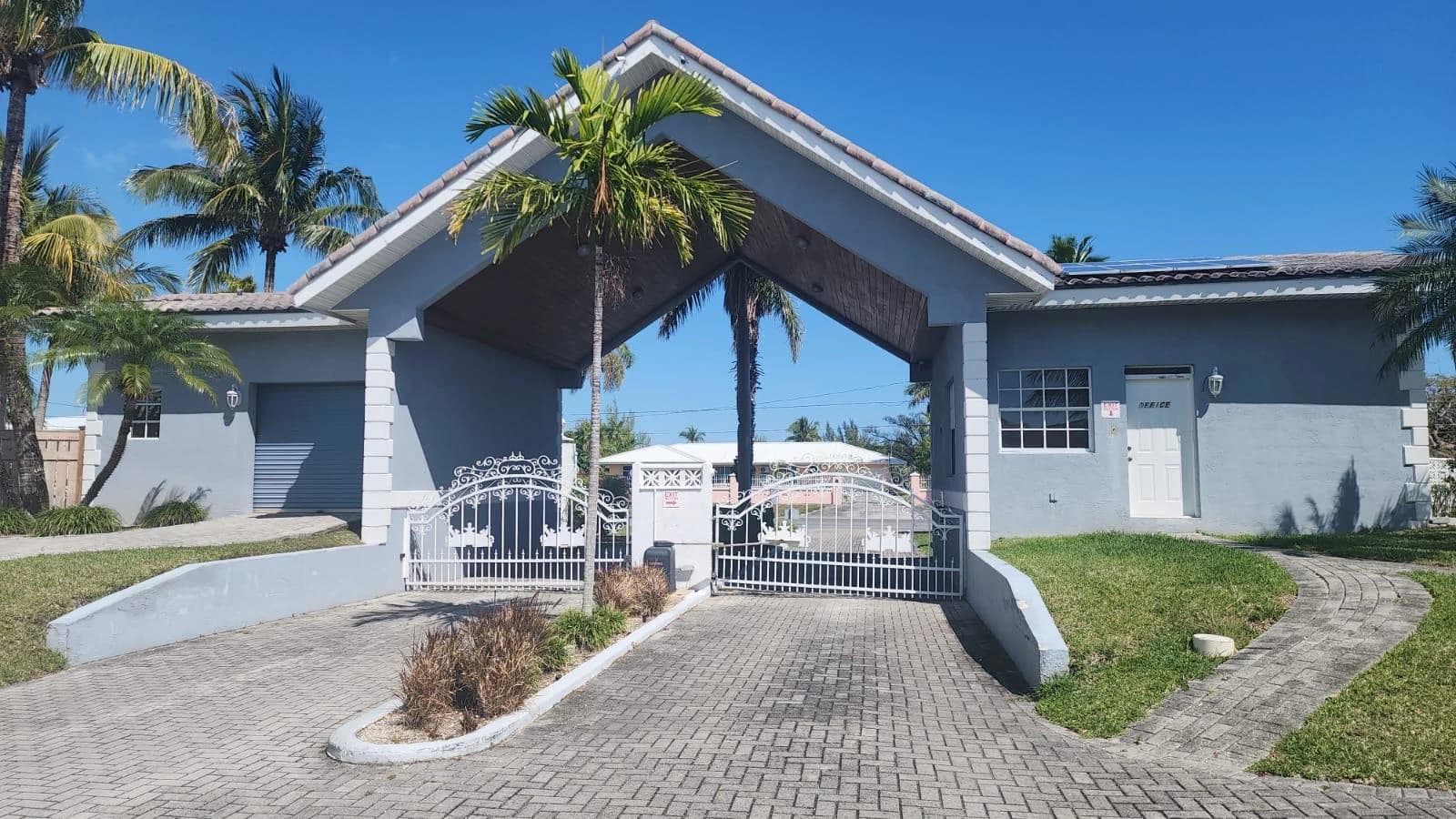
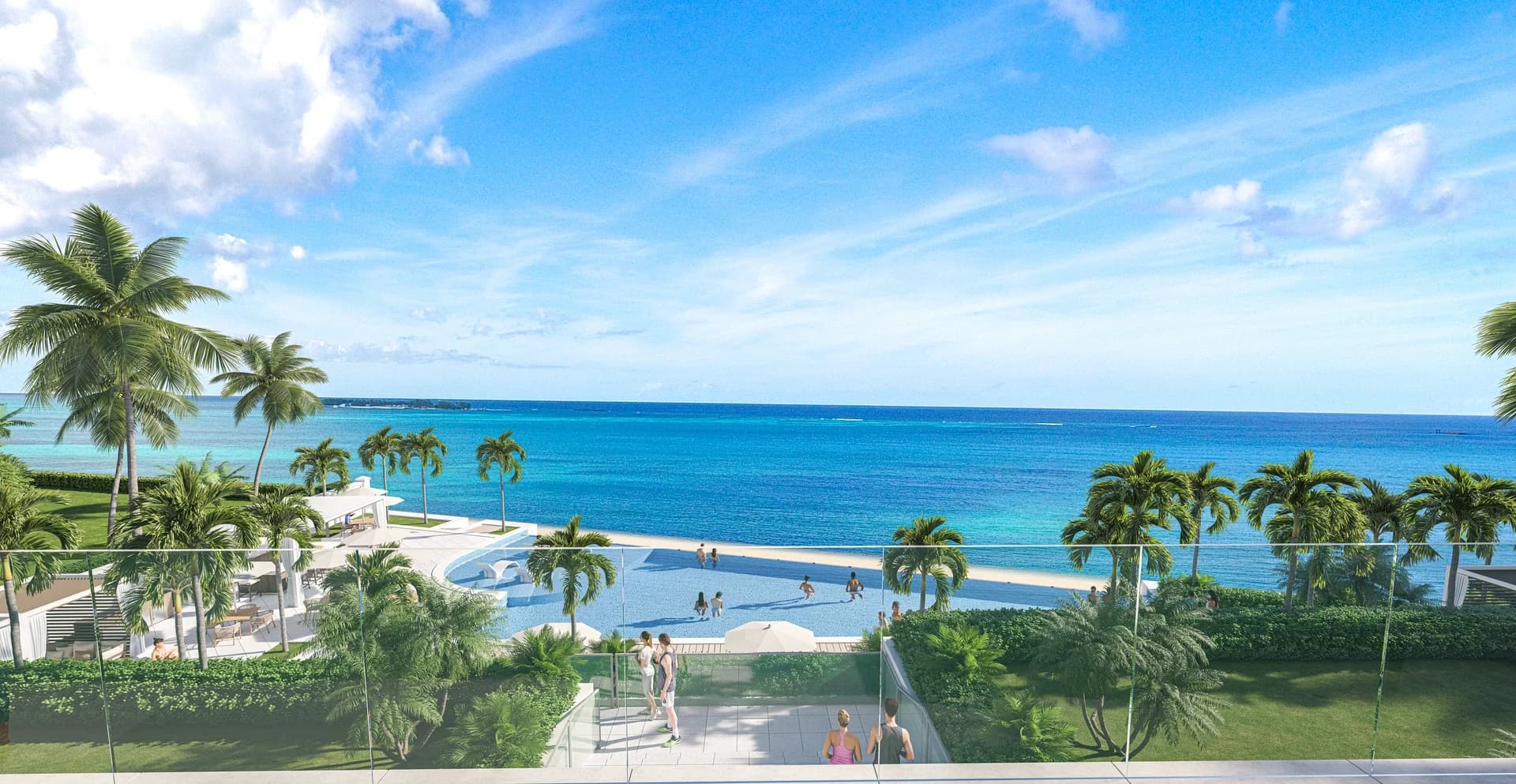
H1 Oceanhill Blvd - WaterEdge Condo with Dockage
Bahamas
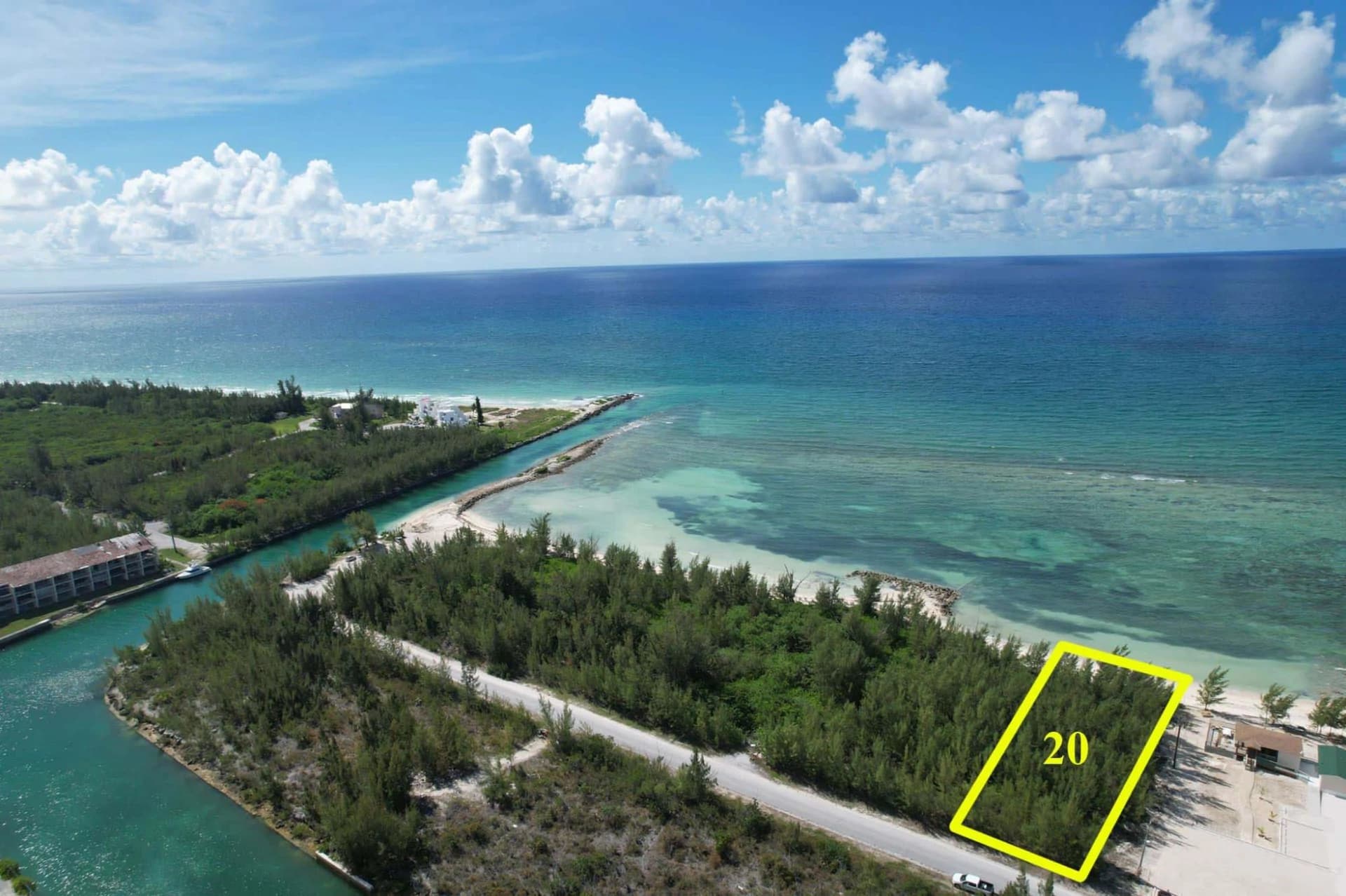
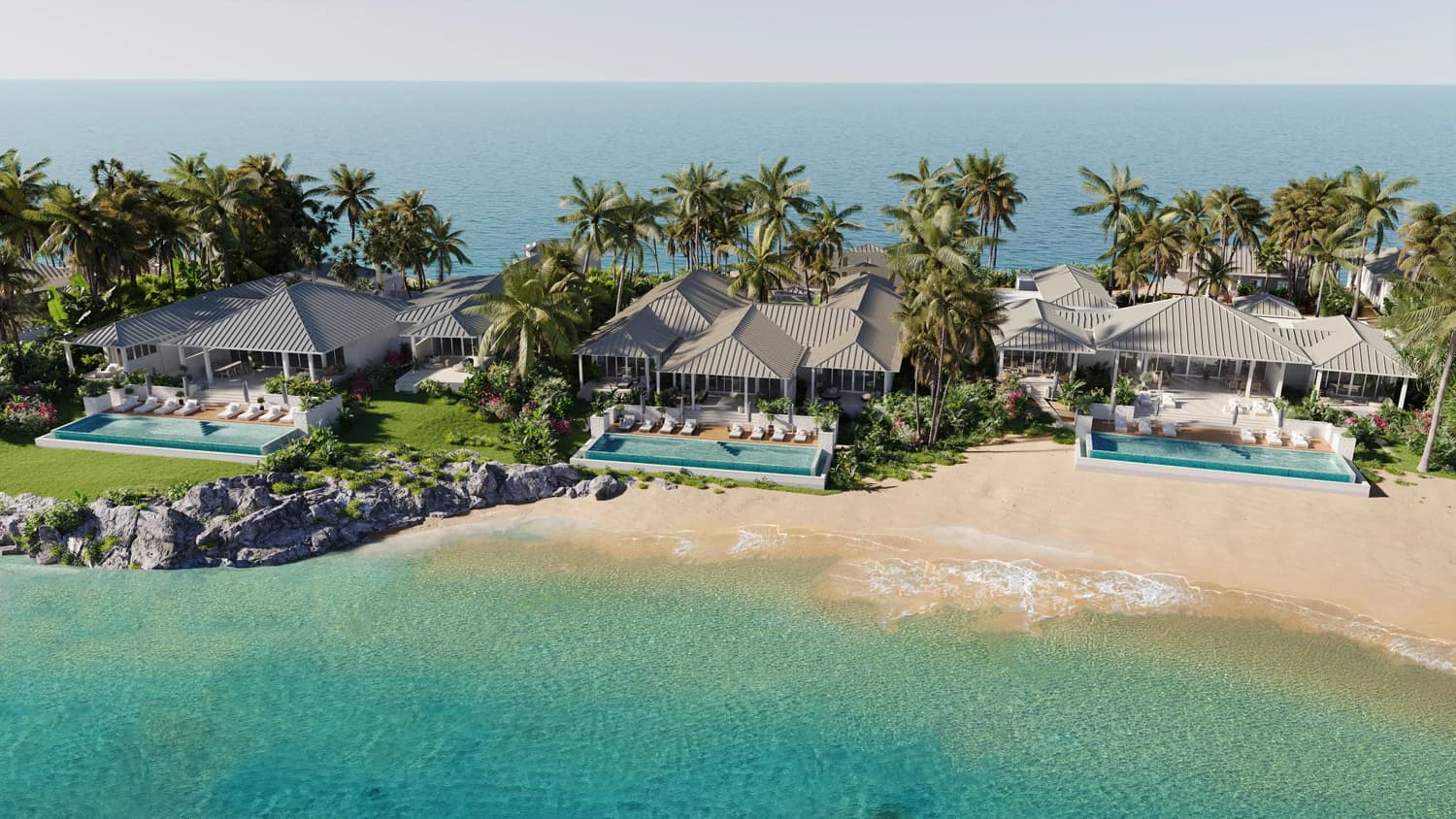
Goldwynn Penthouse Residences – Luxury Caribbean Living
Bahamas
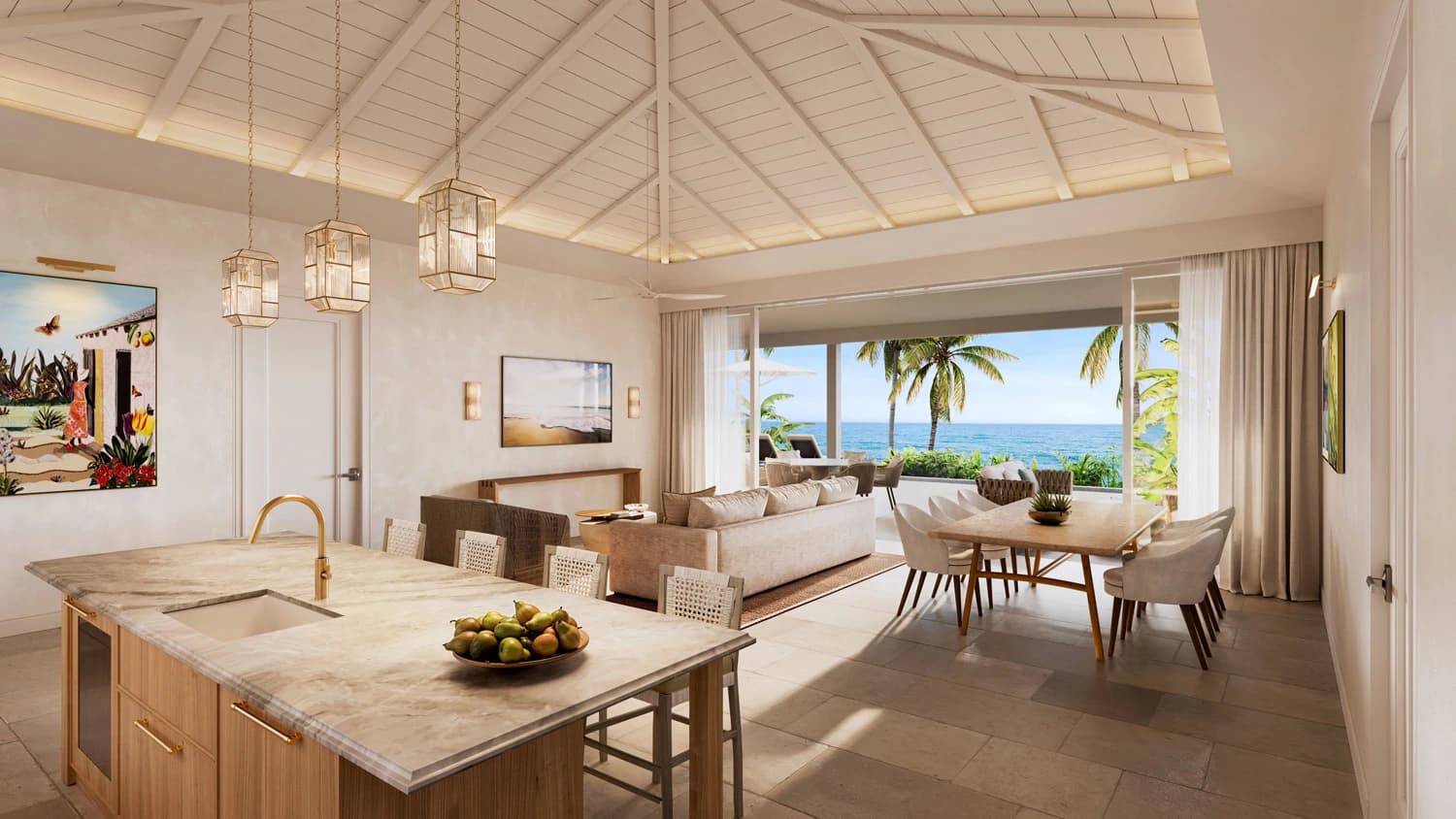
5-6 bed Ocean Estate Lot for sale | Montage Cay, Bahamas
Bahamas
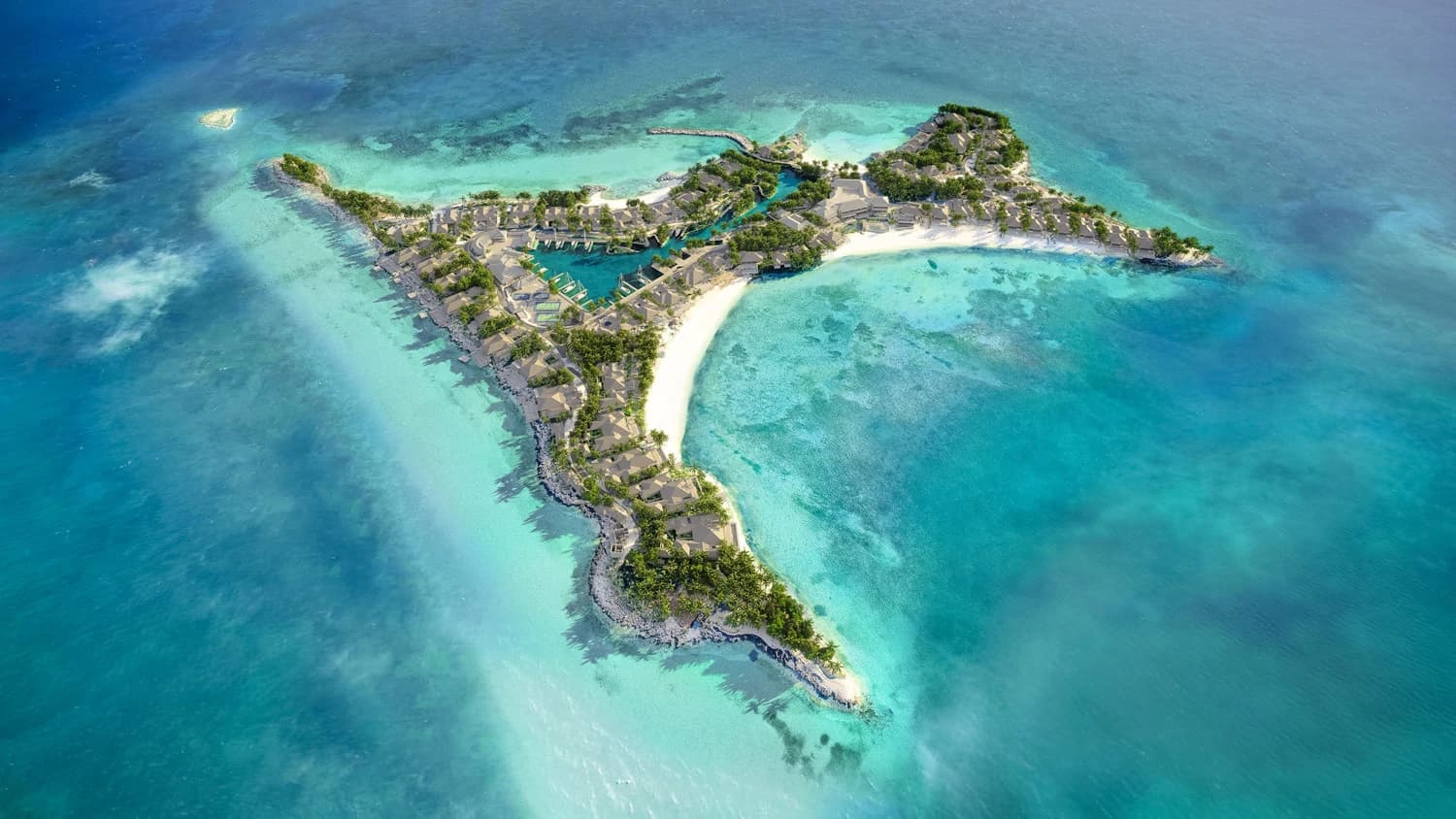
3 bed beachfront Bahamas villa for sale | Shore Cottage 11, Montage Cay
Bahamas
2-6 bed branded residences & Lots for sale at Montage Cay, Bahamas
Filters
Price Range
Bedrooms
Bathrooms
Why the Bahamas
A mature market built on stability, tax efficiency, and lasting value
Market Character
The Bahamas is one of the most established real estate markets in the Caribbean, attracting international buyers seeking stability, accessibility, and long term asset protection. Unlike expansion driven markets, the Bahamas operates as a mature and supply constrained environment, particularly in prime areas such as Nassau, Paradise Island, and Lyford Cay.
The buyer profile is primarily composed of North American and European high net worth individuals purchasing second homes, legacy properties, and tax efficient residences. The market is largely end user driven, with buyers focused on lifestyle, privacy, and capital preservation rather than speculative investment.
Tourism and infrastructure are well developed, supported by strong connectivity to the United States and a long standing reputation as a premium destination. This supports consistent demand for both residential ownership and short term rental activity in select areas.
The Investment Case
The investment case in the Bahamas centers on stability, tax efficiency, and long term value.
The country offers a favorable tax structure with no income tax, no capital gains tax, and no inheritance tax. Property tax does apply, but rates remain relatively low compared to major markets. This structure makes the Bahamas attractive for buyers focused on preserving and structuring wealth.
Unlike higher yield markets, the Bahamas is not primarily driven by rental returns. It functions as a store of value market where limited land supply and controlled development support long term pricing.
Rental income remains viable in key areas. Short term rentals are common in Nassau and Paradise Island, and branded residences often include professionally managed rental programs. Many buyers combine personal use with structured rental income rather than relying solely on yield.
Foreign Ownership
Foreign buyers can purchase property in the Bahamas with minimal restrictions. Most residential purchases require registration with the Bahamas Investment Authority, particularly at higher price points, but no local partner is required.
Ownership can be held in a personal name or through a Bahamian entity depending on the buyer structure. The legal system is based on English common law, providing a clear and stable framework for transactions.
Buyers are required to engage a local attorney to conduct due diligence, confirm title, and manage the transaction. The process is well established and typically takes 60 to 90 days for resale properties.
Residency may be available depending on the level of investment, making the Bahamas a viable option for buyers considering long term relocation.
What's on the Market
Airdomo currently features a range of properties across the Bahamas, from waterfront condominiums to private estate residences and branded developments.
Nassau and Paradise Island represent the core of the market, offering resort residences, marina properties, and beachfront condominiums with consistent rental demand. Lyford Cay and Old Fort Bay represent the highest tier, with gated communities and estate level homes focused on privacy and exclusivity.
The Out Islands including Exuma, Eleuthera, and Abaco offer lower density environments with long term appreciation potential. These markets attract buyers prioritizing space, land value, and seclusion over immediate rental income.
Property types include beachfront villas, marina front estates, resort condominiums, and branded residences. Inventory is more limited than in expansion markets, which contributes to long term value support.
Free Buyer's Guide
The Foreign Buyer's Guide to Bahamas Real Estate
10 pages covering foreign ownership rules, the buying process, tax structure, and the market areas where Airdomo operates.
No email required.
Download Guide PDFCountry Overview
Welcome to the Bahamas
Frequently Asked Questions
What buyers ask about the Bahamas
Can foreigners buy property in the Bahamas?
Yes. Foreign buyers can purchase and own property in the Bahamas with minimal restrictions. Most residential purchases require registration with the Bahamas Investment Authority, particularly for higher-value properties, but no local partner is required. Ownership can be held in a personal name or through a company. The Bahamas has a well-established legal framework based on English common law, which provides security and transparency for international buyers. Funds from property sales can be repatriated without restriction.
Is Bahamas real estate a good investment?
The Bahamas is considered a strong long-term investment market focused on capital preservation. Limited land supply, controlled development, and consistent international demand support property values over time. While rental income is possible in key areas, particularly Nassau and Paradise Island, the primary value lies in asset stability and tax efficiency. It is best suited for buyers seeking lifestyle benefits combined with long-term appreciation rather than short-term yield.
Are there property taxes in the Bahamas?
Yes. The Bahamas applies annual property taxes based on property value and usage. Owner-occupied properties benefit from lower rates and exemptions up to certain thresholds. While property tax exists, the absence of income tax, capital gains tax, and inheritance tax offsets the overall cost of ownership. Buyers should also account for insurance, maintenance, and any applicable HOA fees.
What is the buying process in the Bahamas?
The process begins with selecting a property and agreeing on terms with the seller. A deposit is typically paid upon signing the purchase agreement. A local attorney conducts due diligence and verifies title before closing. Once all conditions are met, the final payment is made and title is transferred. Government registration may be required depending on the property value. Most transactions are completed within 60 to 90 days.
What are the best areas to buy property in the Bahamas?
Nassau and Paradise Island are the most active markets, offering a mix of luxury condominiums and strong rental demand. Lyford Cay and Old Fort Bay are exclusive gated communities suited for buyers prioritizing privacy and security. The Out Islands such as Exuma and Eleuthera appeal to buyers seeking space and long-term appreciation. The right location depends on whether the priority is rental income, lifestyle, or capital preservation.
Latest Stories