
Real Estate for Sale in Sri Lanka
Tropical Luxury with Cultural Heritage
Homes & Properties for Sale in Sri Lanka
Showing 1–3 of 3 properties across Galle and Bentota
Sri Lanka
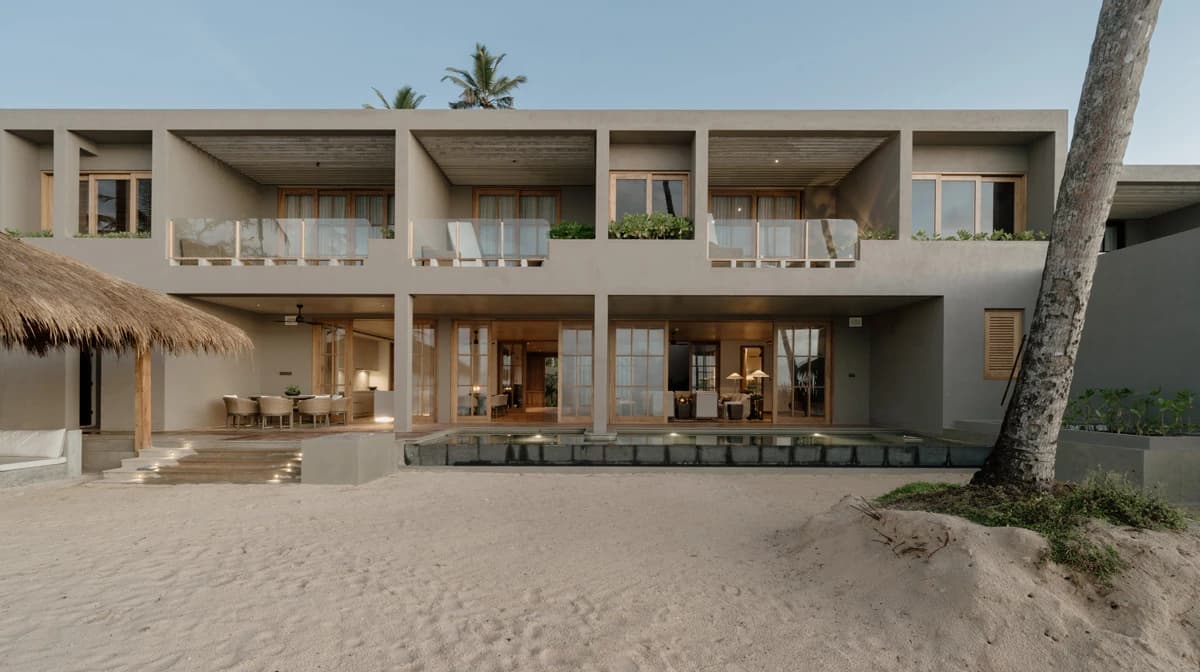
4-Bedroom Beachfront Villa, 5 Star services, Sri Lanka
Filters
Price Range
Bedrooms
Bathrooms
Why Sri Lanka
Indian Ocean value, if you get the ownership structure right
Market Character
Sri Lanka has emerged as one of the most talked-about lifestyle property markets in South Asia, particularly along its southern coast. The appeal is a combination of tropical beaches, a low cost of living, a growing international community, and prices that remain a fraction of comparable island markets elsewhere in the world. For buyers looking at the Indian Ocean, it offers genuine value and a distinctive lifestyle, provided they understand how foreign ownership works.
The market has two clear centers. Colombo, the commercial capital, is an urban market built around condominiums and apartments, with year-round demand from professionals and a growing expatriate community. The south coast, running from Galle through Unawatuna, Weligama, Mirissa, and on to Tangalle, is the lifestyle market: a stretch of beaches, surf towns, and villa communities that has drawn international buyers, remote workers, and boutique hospitality operators. The hill country around Kandy and Ella adds a cooler, scenic alternative.
The buyer profile on the coast is heavily lifestyle-driven: second-home buyers, remote professionals, and small-scale investors building or buying villas, often with a view to boutique rental income. In Colombo, the market is more conventional, centered on apartments for personal use, long-term rental, or investment. Across both, foreign buyers need to work within a specific ownership framework, which is the defining feature of the market.
Tourism is the engine underneath the coastal market. Sri Lanka's south coast has become a well-established destination for beach and surf tourism, and that visitor demand supports villa rental performance and the boutique hospitality sector that many buyers are drawn to.
The Investment Case
The investment case in Sri Lanka rests on value, lifestyle-led rental demand, and a growing international profile, balanced against a market that is less liquid and more structurally complex than open Western markets.
On value, Sri Lanka is inexpensive relative to comparable tropical and island markets. Entry points for coastal villas and Colombo apartments are well below what similar lifestyle property costs in more established destinations, which is a core part of the appeal for international buyers.
On income, the rental case is strongest on the south coast, where beach and surf tourism supports short-term villa letting and boutique hospitality. Well-located and well-run villas can generate meaningful seasonal income, and a number of buyers purchase specifically to operate small-scale rental or guesthouse businesses. Colombo offers steadier long-term rental demand from professionals and expatriates.
On profile, Sri Lanka's international recognition has grown, and continued investment in tourism and infrastructure supports the longer-term case. Buyers should weigh this against the market's realities: it is less liquid than larger markets, the ownership framework requires care, and currency and macroeconomic conditions can be volatile, so this is a market for buyers with a lifestyle-led, medium-to-long-term horizon rather than a quick trade.
Foreign Ownership
Foreign ownership in Sri Lanka is governed by a specific framework, and understanding it is the most important part of any purchase. The central rule is that foreigners cannot own freehold land directly. This shapes every route into the market.
There are three main ways foreign buyers participate. First, condominium and apartment units: foreigners can own condominium units outright as freehold, which is the cleanest and most common route, particularly in Colombo and in coastal apartment developments. Earlier floor-level restrictions on foreign condominium ownership have been removed. Second, long leases: land can be leased to foreigners on long terms, up to 99 years, which is the standard route for villas and houses tied to land. Third, company ownership: land can be held through a Sri Lankan company, but the company must be majority-owned by Sri Lankan nationals for it to hold land as a local entity, so this route requires careful structuring and legal advice.
Because these structures carry real legal nuance, engaging an experienced local attorney is essential, not optional. Due diligence focuses heavily on clean title, survey plans, building and condominium approvals, and, for leases and company structures, the validity and terms of the arrangement. Title and land documentation require particular scrutiny in Sri Lanka.
On costs, stamp duty on property transfers is generally in the region of 3 to 4 percent, alongside legal fees and, for condominiums, maintenance and related charges. Buyers should confirm the current tax position for their specific structure, including any charges applicable to leases, as these rules have changed over time. Residency is not automatically granted by ownership, though Sri Lanka operates long-stay and resident visa options that buyers considering extended stays can explore separately. American owners also carry US reporting obligations on foreign property, rental income, and capital gains, so cross-border tax advice is part of the process.
What's on the Market
The Sri Lanka inventory available through Airdomo reflects the areas where international buyer demand is strongest and where Airdomo's local partner network is active.
The south coast is the heart of the lifestyle market. The stretch from Galle, with its historic fort, through Unawatuna, Talpe, Ahangama, Weligama, and Mirissa to Tangalle and Hiriketiya, offers beachfront and near-beach villas, boutique properties, and land for those pursuing a long-lease build. This is where most international lifestyle buying happens, and where boutique rental and hospitality demand is concentrated.
Colombo is the urban market. The capital offers modern condominiums and apartments, the most straightforward freehold route for foreign buyers, with year-round rental demand from professionals and the expatriate community.
The hill country, around Kandy and Ella, offers a cooler, scenic alternative with a smaller pool of character property. Across the market, property types range from coastal villas and land held on long leases to condominium units in Colombo and resort developments.
Because the ownership route depends on the property type, matching the buyer's goal to the right structure, a freehold condominium, a long-lease villa, or a company-held property, is the single most important early step, and one where local legal guidance is essential.
Frequently Asked Questions
What buyers ask about Sri Lanka
Can foreigners buy property in Sri Lanka?
Yes, but within a specific framework. Foreigners cannot own freehold land directly. Instead, there are three main routes: buying a condominium or apartment unit, which foreigners can own outright as freehold; leasing land on a long term of up to 99 years, which is standard for villas and houses; or holding land through a Sri Lankan company that is majority-owned by nationals. Because each route carries legal nuance, an experienced local attorney is essential.
Is Sri Lanka real estate a good investment?
Sri Lanka offers genuine value and a distinctive lifestyle, with entry points well below comparable tropical markets. The rental case is strongest on the south coast, where beach and surf tourism supports villa letting and boutique hospitality, while Colombo offers steadier long-term demand. It is best suited to lifestyle-led buyers with a medium-to-long-term horizon, as the market is less liquid than larger ones, the ownership framework requires care, and macroeconomic conditions can be volatile.
How can a foreigner own a villa or house in Sri Lanka?
Since foreigners cannot own freehold land directly, villas and houses tied to land are typically acquired through a long lease of up to 99 years, or through a Sri Lankan company that is majority-owned by nationals. Condominium units, by contrast, can be owned outright as freehold. Which route fits depends on the property, so structuring the purchase correctly with a local attorney from the outset is essential to protect the investment.
What taxes and costs apply when buying property in Sri Lanka?
Stamp duty on property transfers is generally in the region of 3 to 4 percent, alongside legal fees and, for condominiums, maintenance and related charges. Additional charges can apply depending on the structure, particularly for leases, and these rules have changed over time, so the current position should be confirmed for the specific property and route. Cross-border buyers should also plan for tax advice in their home country.
Does buying property in Sri Lanka grant residency?
No. Ownership does not automatically grant residency. Sri Lanka does, however, operate long-stay and resident visa options that buyers considering extended stays can explore separately from the purchase. Anyone buying with relocation in mind should review the current visa routes with a local advisor, as these are handled independently of property ownership.